


Pakistan emerges on radar of US firms for critical mineral exports: FT
- Pakistan holds only 1% of global antimony reserves
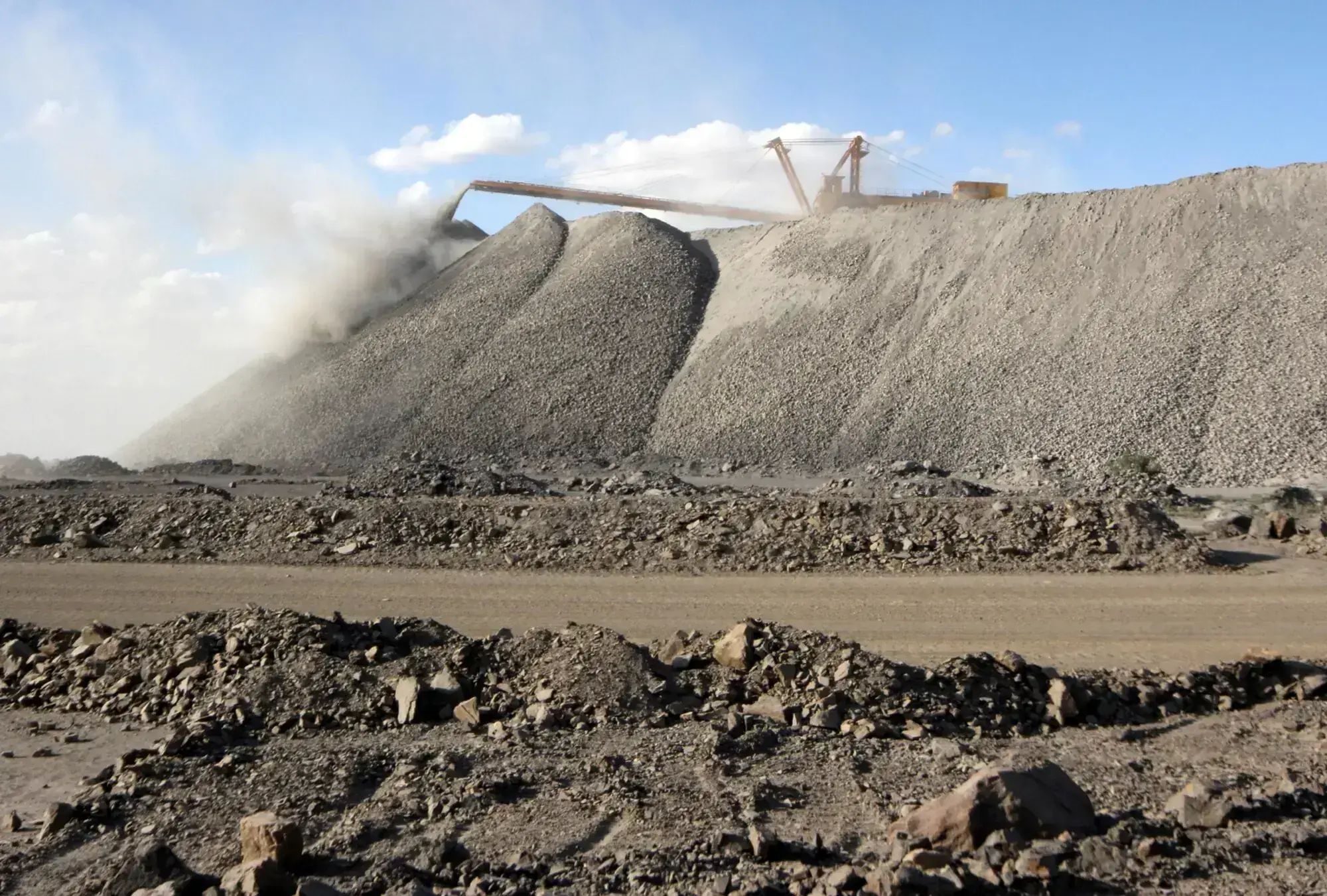
Pakistan is emerging as a potential beneficiary of the global race for critical minerals, with rising US interest in antimony opening a window for the country’s mining sector, reported the Financial Times (FT) on Monday.
According to the report, Pakistan, which was largely viewed as a source of raw ore destined for Chinese buyers, is now drawing attention from American defence-linked companies seeking to diversify supply chains away from China.
“For years, the only buyers for the antimony Jabbar Khan sourced from wildcat traders in Afghanistan were secretive Chinese intermediaries, who bargained hard over the price.
“Now, Khan, chief operating officer at Himalayan Earth Exploration company, is fielding calls from US buyers interested in stockpiling the silvery-white rock vital to the production of missiles, batteries and flame retardants from Pakistan and central Asia,” read the report.
According to FT, the price of antimony trioxide has risen to around $40,000 per tonne as fears about China’s control of the supply chains for metals, including antimony, have sparked a global race to secure supplies.
Thanks to US President Donald Trump’s desire to secure critical minerals, “the conversations we had been pushing for seven years, especially around antimony, finally started gaining traction both in Pakistan and the United States”, Liaqat Ali Sultan, the chief executive of Himalayan Earth Exploration, told FT.
Despite holding just 1% of the world’s antimony reserves and producing only a small quantity, Pakistan has come under the radar of US companies.
Last month, Pakistan-based Himalayan signed a “strategic partnership” with Nova Minerals, a US-based mining exploration and development company listed on the ASX and NASDAQ, to “strengthen US-Pakistan economic ties” through exploring for antimony, read the report.
Earlier in November, the Board of Investment (BOI) met a delegation from Nova Minerals Ltd. During the discussion, the Nova Minerals delegation expressed strong interest in exploring investment opportunities in Pakistan’s mineral and mining sectors, particularly in antimony and rare earth minerals.
Christopher Gerteisen, Nova’s chief executive, told FT that his company will buy “over 100 tonnes” of Pakistani antimony concentrate for about $2 million early next year for testing and processing in Alaska.
It may eventually set up “downstream processing” of the ore in Pakistan, he said.
“The Department of War encouraged us to go out in the world and find whatever we can,” he added.
Earlier in September, Pakistan’s Frontier Works Organisation (FWO) and the United States (US) US Strategic Metals (USSM) signed a memorandum of understanding (MoU) worth $500 million to strengthen cooperation in the critical minerals sector, marking a step toward deeper economic and strategic engagement between the two countries.
USSM’s planned processing plant and mine are not yet operational. However, it received a small sample of Pakistani antimony in October for quality testing, read the report.
FT highlighted that miners complain that Pakistan remains at the lower end of the value chain, with little processing or refining capability.
“Almost all of our raw antimony comes out of artisanal mines from north-west mountain regions and disappears into the hands of Chinese buyers at Karachi’s port, usually far below market rates,” said one veteran of Pakistan’s mining sector.
Still, Nova’s Gerteisen says that he and other US buyers are willing to offer prices well above those of Chinese competitors. “Pakistan is a virgin country for mineral exploration,” he told FT.












Comments
Comments are closed for this article.