


Delay in reforms, law amendments and SOEs sell-off: IMF warns of serious risks ahead of next review
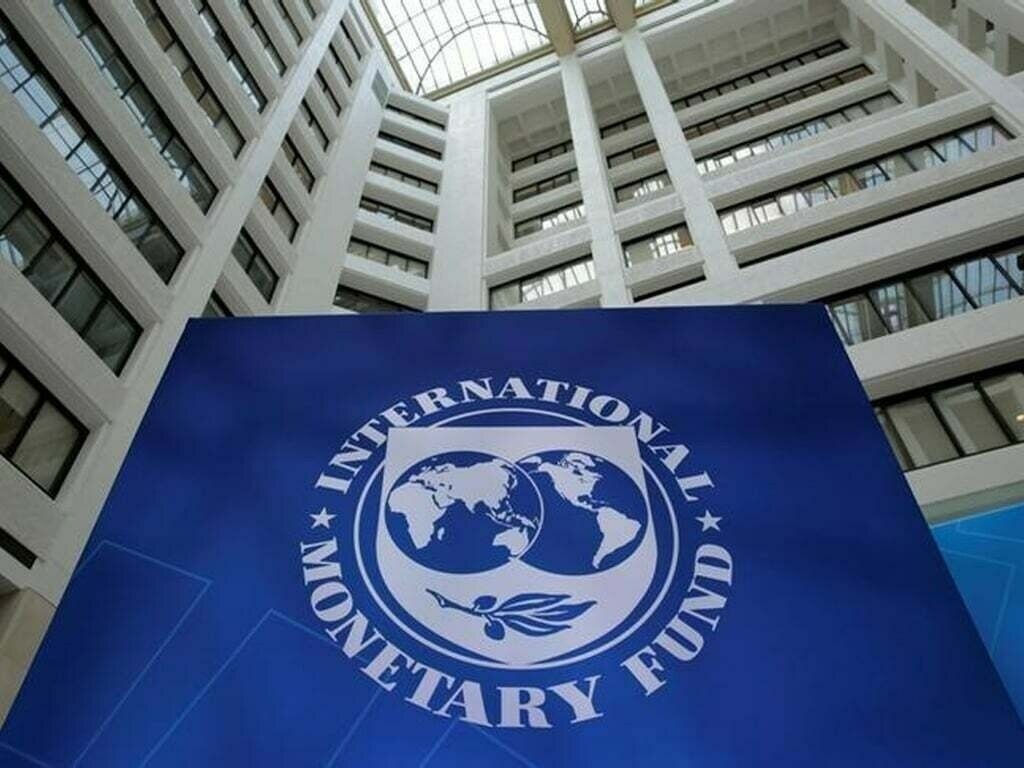

ISLAMABAD: The International Monetary Fund (IMF) warned that the delay in governance reforms, legislative amendments and privatization of state-owned enterprises (SOEs) continue to pose significant fiscal and economic risks ahead of the next review under the Extended Fund Facility (EFF) in the detailed staff agreement documents uploaded on its website.
The report admitted that while Pakistan has made notable progress in stabilizing the economy under the 37-month EFF, advances in SOE reforms remain uneven with weaknesses in governance, transparency and financial oversight across SOEs continuing to generate losses, distort markets and strain public finances. These weaknesses, the report noted, underscore the urgency of sustained reform momentum.
One of the key structural benchmarks—amending laws governing the remaining statutory SOEs — was not met, largely due to delays in the legislative process. While draft amendments have been prepared, the IMF noted that implementation timelines have slipped, prompting a proposal to reset the benchmark to end-August 2026. According to the report, amendments to most of the nine statutory SOE laws are expected to be submitted to parliament before end-2025, but political and procedural bottlenecks remain a concern.
The IMF acknowledged progress in rolling out the SOE governance framework for approximately 80 commercial SOEs already covered by the law. It noted that the Central Monitoring Unit has been fully staffed and is now producing regular analytical reports, with its electronic database nearing full operationalization. However, the report emphasized that transparency and reporting standards across SOEs remain weak, with many entities yet to adopt credible business plans, statements of corporate intent, or IFRS-compliant audited financial statements. The IMF cautioned that without reliable financial reporting and stronger oversight, SOEs will continue to generate inefficiencies and hidden fiscal liabilities.
SOEs on sell-off list: CCoSOEs directs Divisions to review pending litigation
A major area of concern identified in the report relates to public service obligations carried out by SOEs. The IMF noted that these obligations have historically been poorly defined, inadequately costed and largely unfunded through the budget, obscuring their true fiscal impact. The report highlighted that identifying, costing and formally contracting public service obligations is now a priority reform area, with plans to incorporate major SOEs into the FY27 budget framework. Failure to address this issue, the IMF warned, risks perpetuating implicit subsidies and undermining fiscal discipline.
The report also pointed to limited progress in ensuring Board independence across SOEs. While the legal framework requires boards to be independent, the IMF noted that a significant number of entities do not yet meet this standard. Professional and independent boards are essential to reducing political interference, strengthening accountability and improving commercial performance and the authorities have committed to completing the appointment of independent directors by end-December 2025, a step the IMF views as critical for credible governance reform.
The IMF also flagged unresolved issues surrounding the Sovereign Wealth Fund. According to the report, operationalization of the Fund remains on hold pending amendments to clarify its mandate, ensure transparent and competitive divestment procedures, and subject SWF-owned enterprises to the SOE governance framework. The Fund proposed a new benchmark for end-March 2026 to bring the SWF law in line with international standards, warning that premature activation without safeguards could introduce new governance risks.
On privatization, the IMF acknowledged renewed momentum with the authorities initiating the privatization process for 15 SOEs under the 2024–29 privatization program, including distribution and generation companies, and have begun the liquidation processes for three SOEs, with another liquidation to begin by end-December 2025 subject to cabinet approval.
However, the Fund cautioned that outcomes remained uncertain. The report noted progress in the privatization pipeline, including Pakistan International Airlines, and several power sector entities, particularly distribution and generation companies.
Copyright Business Recorder, 2025


























Comments
Comments are closed for this article.