


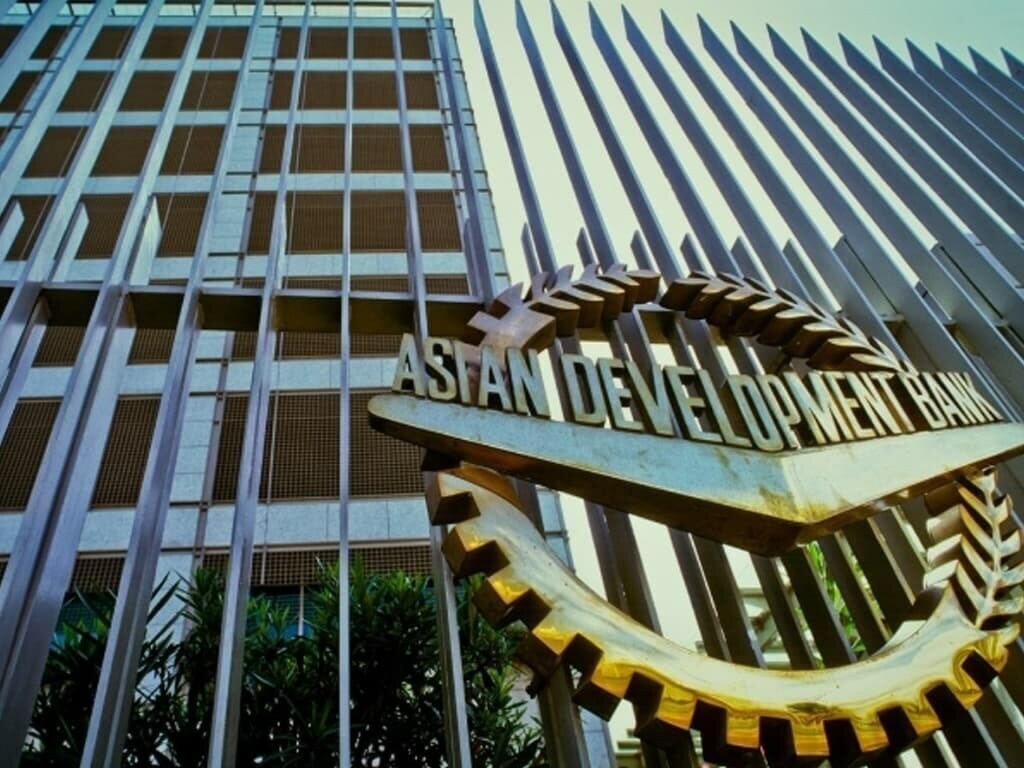

ISLAMABAD: The Asian Development Bank (ADB) has approved three projects totalling USD381 million to advance agriculture, education, and health services in the province of Punjab.
These development projects aim to foster economic growth in the province, which accounts for more than half of the country’s population and economic activity.
“Investing in education, health, and agricultural mechanization will play a transformative role in driving the growth of Punjab, a vital pillar of Pakistan’s economy,” said ADB Country Director for Pakistan, Emma Fan. “These strategic investments will modernize agriculture, enhance human capital, and significantly improve livelihoods for millions of people across Punjab.”
A USD120 million concessional loan and USD4 million grants have been allocated for the Punjab Climate-Resilient and Low-Carbon Agriculture Mechanization Project to accelerate the province’s transition to modern, disaster-resilient, and low-carbon agriculture practices, benefiting 220,000 rural farm households. The project will help mechanize farming and provide alternative livelihoods for agricultural workers including through boosting the knowledge and skills of 15,000 women. It will introduce a new financing model for farm mechanization service providers to equip small-scale farmers with advanced machinery.
Pakistan, ADB sign $61.8mn agreements for three development initiatives
Punjab is the breadbasket of Pakistan, producing 75 percent of its wheat, 69 percent of its rice, and 91 percent of its maize. The province faces challenges due to its reliance on outdated machinery, which leads to significant grain losses. Additionally, farmers are often compelled to burn crop residues, a practice that worsens air pollution and poses serious health risks to the population. To address these issues, the project promotes the adoption of modern agricultural mechanization, such as rice harvesters.
The ADB has also approved USD107 million for the Responsive, Ready, and Resilient Science, Technology, Engineering, and Mathematics Secondary Education in Punjab Programme. This includes a USD7 million grant from ADB’s Asian Development Fund and a USD100 million loan from ADB’s ordinary concessional capital resources. The results-based program aims to modernize secondary education by enhancing inclusive Science, Technology, Engineering, and Mathematics (STEM) education across Punjab. The project, implemented by the Punjab School Education Department, will improve access to quality education for students across the province.
The ADB has approved a USD150 million concessional loan for the Punjab Nursing and Health Workforce Reform Programme to enhance nursing education, develop disaster-resilient training facilities, and strengthen health workforce governance in Punjab.
Pakistan faces a shortage of qualified nurses while the global demand for trained nurses grows. Modernizing the nursing sector will meet national and international demands. The results-based programme will focus on upgrading nursing curricula, expanding faculty development initiatives, and implementing a digital human resource management information system to align workforce planning with healthcare service needs. By expanding the pool of qualified nurses, predominantly women, the program will improve health service delivery across the province.
Key components of the nursing program include the establishment of three centers of excellence in Lahore, Multan, and Rawalpindi. These centers will feature state-of-the-art simulation laboratories, digital learning platforms, and gender-responsive hostels, addressing Punjab’s demand for skilled healthcare workforce capable of meeting growing local needs and employment opportunities abroad.
Copyright Business Recorder, 2025

























Comments
Comments are closed for this article.