


Yuan steadies after PBOC signals unease about rapid gains; focus turns to key meeting
- The onshore yuan traded largely flat at 7.0706 per dollar
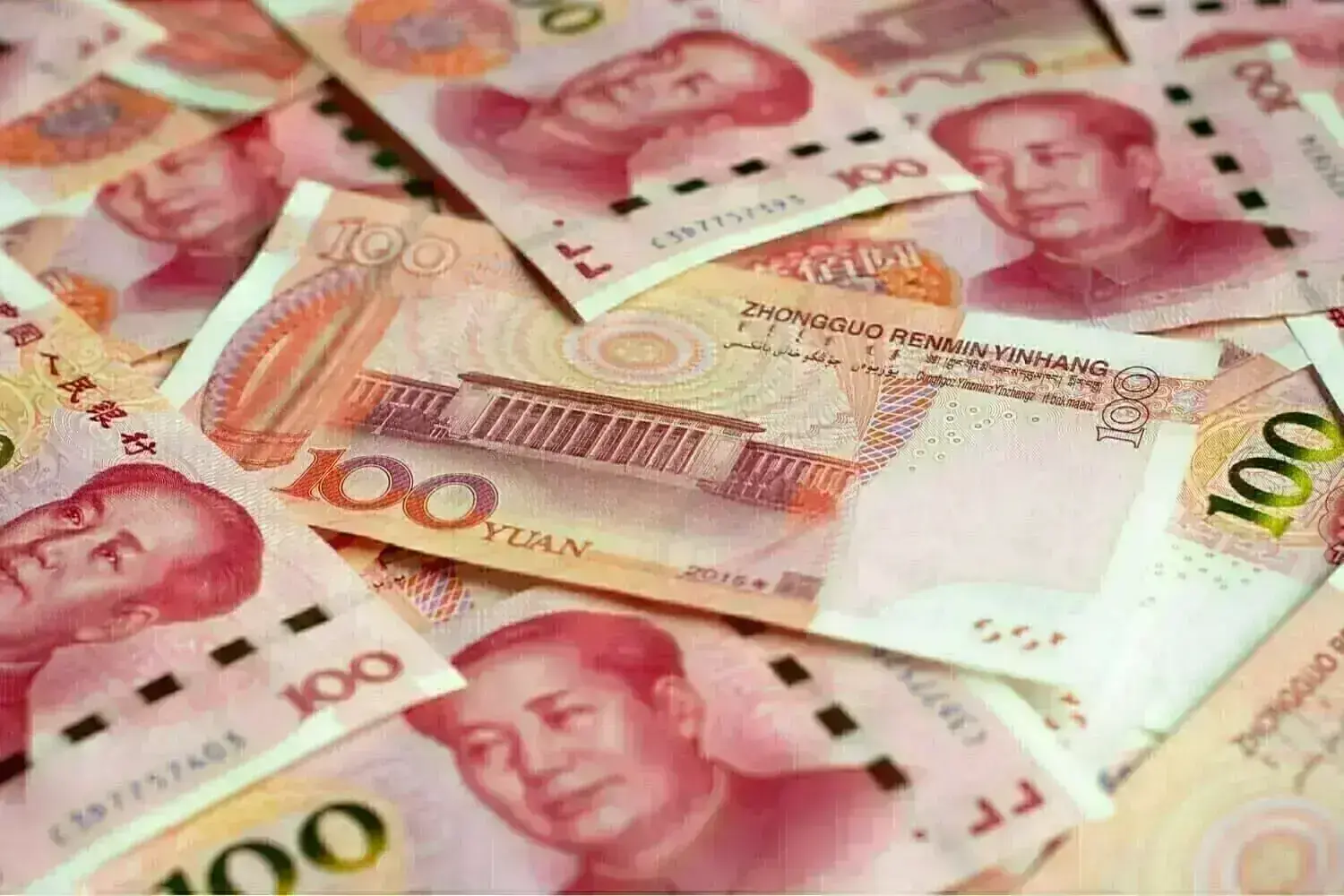

SHANGHAI: China’s yuan held steady against the dollar on Friday, as investors turned wary after the central bank showed growing unease about recent rapid gains with markets looking ahead to a key meeting for clues on next year’s policy direction.
The central bank signaled caution over rapid rallies through its official guidance fix, and major state-owned banks bought dollars in the onshore spot market this week and held on to them in an unusually strong effort to rein in yuan strength, sources told Reuters.
The moves prompted some investors to take profits and bail out from the market, currency traders said.
The onshore yuan traded largely flat at 7.0706 per dollar as of 0335 GMT, down from a 14-month peak of 7.0613 hit on Wednesday. Its offshore counterpart last fetched 7.0686.
Prior to the market’s opening on Friday, the People’s Bank of China (PBOC) set the midpoint rate at 7.0749 per dollar, 2 pips firmer than a Reuters estimate of 7.0751.
Friday’s midpoint came in roughly in line with market expectations, snapping six straight sessions of weaker-than-expected official settings. Thursday’s fix had the largest weak side deviation since the data became available in November 2022.
The spot yuan is allowed to trade a maximum of 2% either side of the fixed midpoint each day.
Sun Binbin, chief economist at Caitong Securities, said the share of yuan use in China’s foreign trade and overseas investments are expected to rise further and help drive up the currency over the mid- to long-term.
“However, the pace and magnitude of appreciation should not be too rapid to avoid adversely affecting export growth,” Sun said, expecting the yuan to hit the psychologically important 7 per dollar by the first half of next year.
Traders and analysts expect authorities to carefully manage the pace of yuan gains to balance its global push and export competitiveness.
“In our view, a continued appreciation in China’s currency could help the country shift its growth model towards consumer spending by boosting disposable income through cheaper imports,” said Elias Haddad, global head of markets strategy at Brown Brothers Harriman.
Looking at near-term catalysts, much of the market’s attention will shift to the upcoming Central Economic Work Conference (CEWC) later this month for possible hints on the policy agenda for next year.
“The market is anticipating a more optimistic policy tone from the upcoming Central Economic Work Conference,” said Samuel Tse, senior economist at DBS.
“Key policy directions are likely to include stronger consumption support through more forceful subsidies, increased job creation, and an improved social safety net.”


























Comments
Comments are closed for this article.