


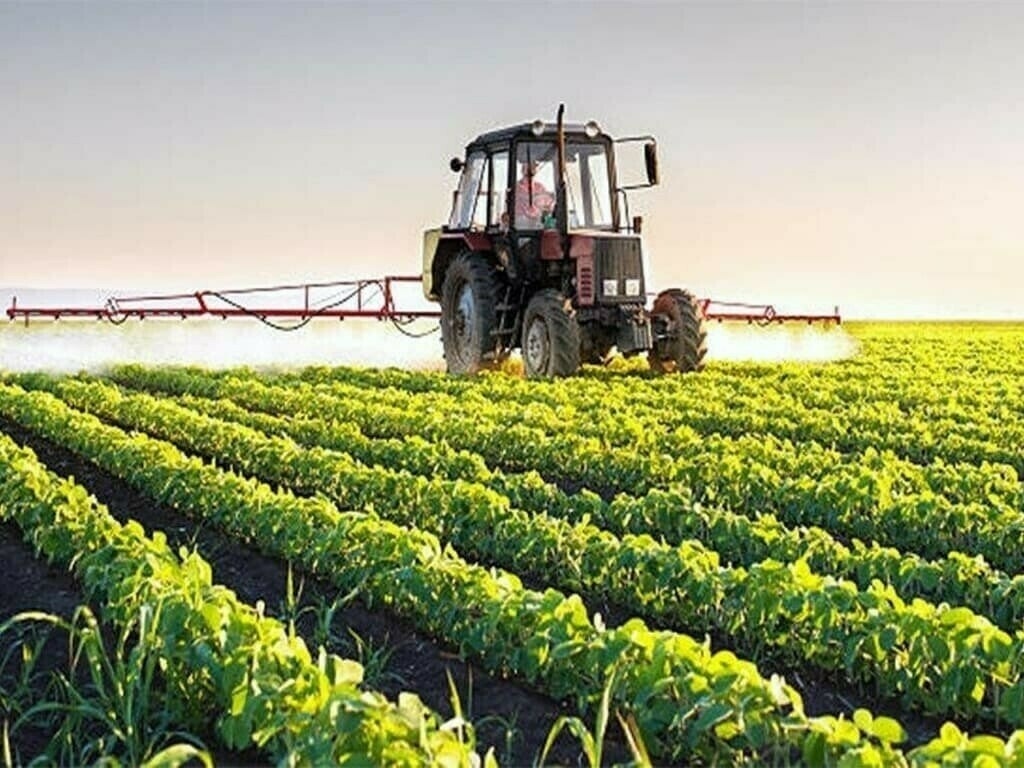

Agriculture is the back of Pakistan’s economy. The claim sounds confident, yet does not live up to. Across major growing regions, farmers repeat the same warning. Input inflation is now the single biggest threat to viability. Irrigation, fertilizer, seed and sprays routinely take up more 60 percent of the market price.
At these ratios, no major crop remains viable at a financing cost above 12 – 15 percent. This is the country’s core agricultural constraint, not the lack of certified inputs, which in most regions are available. The problem is that even legitimate inputs have become too expensive to apply rationally.
The formal input ecosystem has made matters worse. Advisory services push growers toward overapplication of chemicals and fertilizers because dealer networks are incentivized through trade discounts to chase volume. The outcome, then, is predictable. Higher costs, degraded soil, lower productivity and another year when the farmer asks why working harder yields less.
Mechanization demand exists in every province, but not in the way policymakers imagine. Farmers want rental access, not asset purchases. They want solar pumps, not subsidized tractors. They want cash flow flexibility at the lowest possible capital cost.
Interest in tunnels and greenhouses has also collapsed. The installation boom that lasted until about 2018 is now in reverse. Tunnels raise productivity so sharply that growers flood markets and crash their own prices unless logistics and market access are flawless. The trend nationwide is tunnel removal, not expansion.
Land economics reflect the same volatility. Land rental rates move with commodity cycles. After the recent wheat price collapse, theka rates in many regions have halved. This is not an anomaly. When crop prices rise, rents follow. When prices collapse, rents fall with them. The labour market remains stuck in a familiar pattern. Women’s daily wage rates are about half of men’s;Rs1,200 per day rupees for men in many districts, with women paid less than half.
Cold storage is a cautionary story that repeats across Pakistan. As urban sprawl increases land values, standalone storage facilities struggle to remain viable. Potato cold storage has already seen severe losses because of disrupted Afghan border trade and extraordinary price collapses.
Without processing, pure storage is a losing proposition. Efficient logistics help but cannot compensate for closed borders or weak regional connectivity. Sea trade is also constrained by the lack of integrated cold-chain transport. Until Pakistan has a modern fleet of refrigerated trucks and trawlers, maritime routes cannot deliver consistent value for perishables.
The answer lies near the farm. Processing, drying, grading and packaging are the only durable solutions. Value must be created where crops are grown. Without it, high productivity regions end up wasting prime land on low productivity crops.
The large nursery cluster in Pattoki, which is described locally as one of the largest in Asia, also asks for the same thing:liquidity.This unmet demand is why the Kissan Card has been turned into a liquidity generator through fake point of sale transactions. Dealers swipe cards for fictitious purchases. Growers receive cash after paying a small commission.
The idea of disbursing products instead of cash is attractive in theory. It limits misuse and aligns financing with actual farm needs. In practice, it undermines farmer agency and creates new avenues for exploitation. The real task is to design a liquidity bridge that protects lenders but respects farmer choice. This requires a credit structure that recognizes crop failure. Current prudential rules do not allow this flexibility. Without a regulatory rethink, every crop shock becomes a credit event.
Behind all of this is a larger truth about agricultural evolution in Pakistan. Cropping patterns have always shifted out of necessity, not policy. Cotton gave way to sugarcane. Sugarcane gave way to maize. These transitions happened because economics forced experimentation.
Pakistan can continue setting unrealistic sowing targets, pushing advisory that growers ignore and layering digital tools over a broken liquidity system. Or it can confront the real issue. Productivity without economic viability is meaningless. Fields can keep producing record yields, but if 60 percent of the crop value is eaten by inputs and financing costs, the farmer is losing money more efficiently.
A country that relies on agriculture cannot afford an agricultural economy where farmers work harder every year and become poorer for it. Until Pakistan accepts that farm economics matter more than farm slogans, every policy reform will remain cosmetic.

























Comments
Comments are closed for this article.