


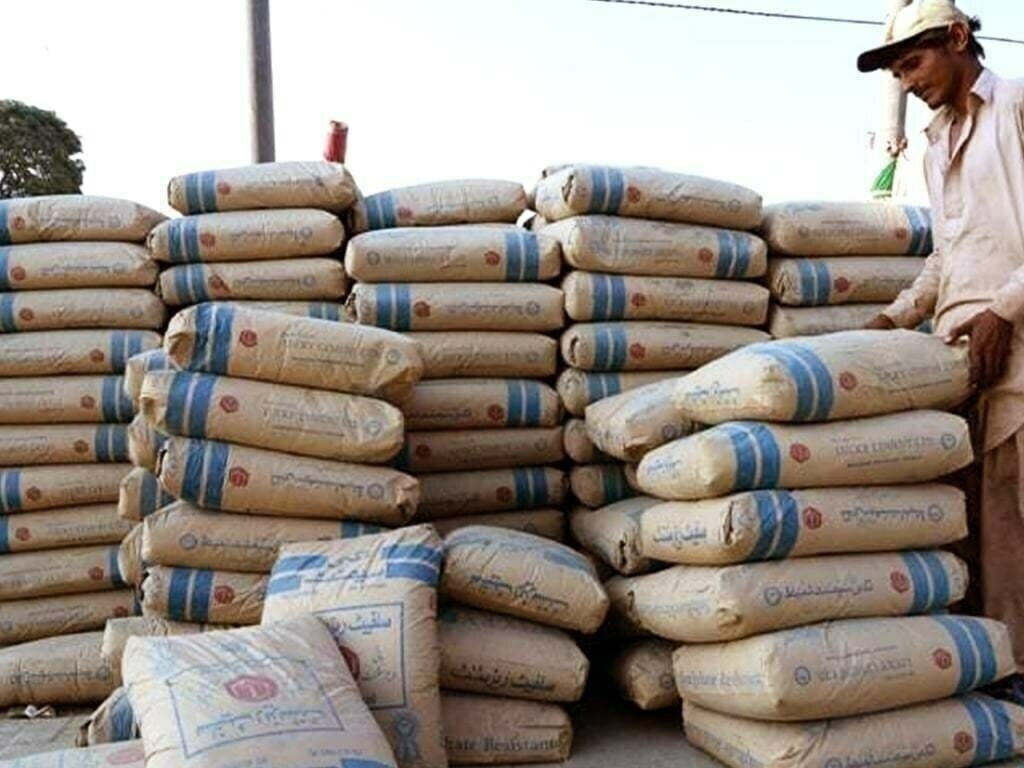

After two years of slog, Pakistan’s cement industry is showing the first signs of a pulse. Five months into the fiscal year, cement offtake is up 12 percent vs the same period last year. This may not be a surge that signals a boom, but it does indicate that the industry may finally be edging out of its slump. This revival is being fuelled primarily—an unaccustomed first in a long time—by domestic markets.
Domestic demand had sagged under floods, political and economic turmoil and a bruising adjustment period, but slowly it seems construction demand is returning. In Novemeber, demand showed weakness compared to months prior, but cumulatively, domestic offtake has climbed 15 percent.
This could be owed to developing spending resuming and private construction taking off again. However, consumption remains shy of the highs of FY21.
Even so, the monthly rhythm looks more like of industry’s better years. Construction sites that had gona silent are humming again.
A portion of this may soon start coming from housing. The Central Bank has announced a new housing subsidy, called Mera Ghar Mera Ashiana, which has restored subsidized mortgages for first time buyers. This may give the urban property market a fresh whiff of life. In addition, the government’s budgetary tax cuts for property buyers will assist too.
As banks approve more loans, demand from builders and individual homeowners, a dependable demand driver for cement, will strength demand for the commodity and other construction materials.
Exports have been rescuing the industry from reaching deeper troughs since the past two years; and they are continuing to hold gounds. Shipments in 5M stand at the same level as last year. Roughly 4 million tons of cement has already been exported to markets abroad contributing 19 percent to the sales mix, similar to the contribution made in the peak demand year of FY21.
With expanded handling capacity at Port Qasim and better access to regional buyers, manufacturers rely on exports as a steady outlet for surplus supply. Strategically, a number of northern based cement companies have been looking to the southern side with proximity to the ports so they can gain market access to countries overseas.
The investments into acquisition or new plants will reduce pressure on companies to offload cement domestically when local demand is fragile which is often the case in Pakistan when domestic slumps come after every few years. The industry’s biggest headache right now is the capacity utilization of 59 percent which has only barely improved. The industry last expanded capacities in FY23 after an expansion period in FY18 and succeeding years.
For the past four years, capacity utilization has remained at a less than optimal less of 60 percent. This is despite exports contributing more and more to the sales mix as domestic demand remained precarious. It is clear that without a substantial recovery in domestic markets, companies will be looking toward exports to fill the gap.
Total volumes in FY26 may close around 51-52 million tons, well below the peak but a respectable recovery nevertheless. Continued housing uptake, stable public spending and resilient exports could nudge demand—and capacity utilization—closer to its former highs. For now, Pakistan’s cement industry is inching closer toward a steady ground and that may be rarer than a boom.



















Comments
Comments are closed for this article.