


Indian rupee cracks below 90 to the dollar, hit by tariffs, capital outflows
- Indian rupee is one of Asia’s worst performers, having fallen over 5% against the dollar
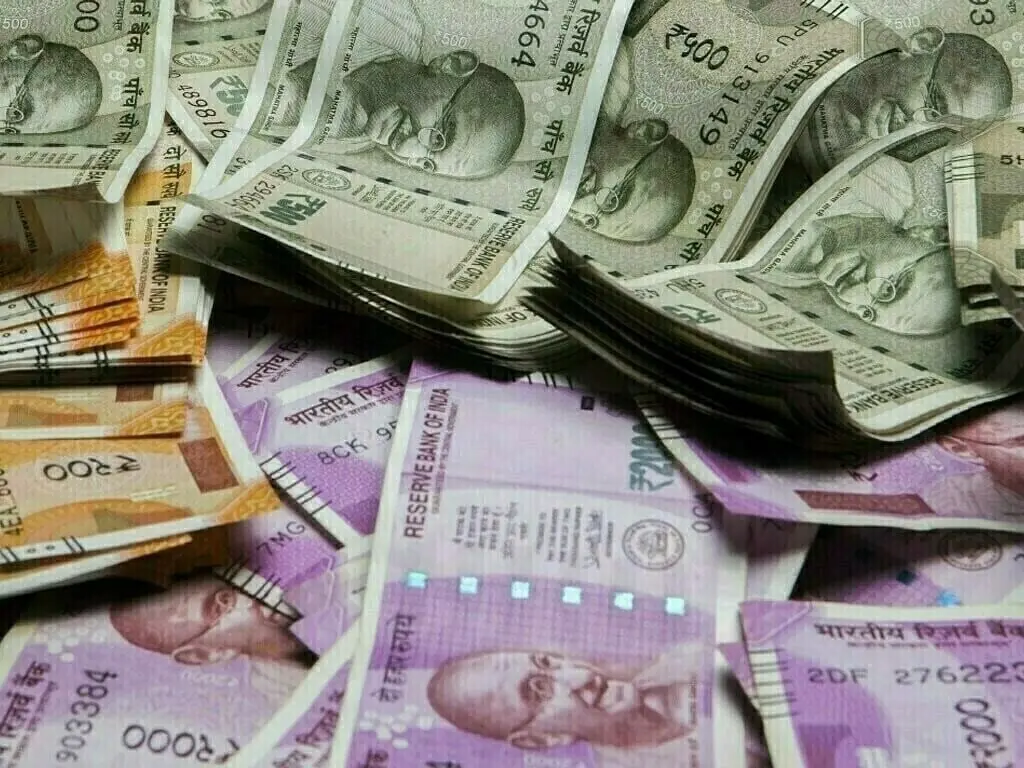

MUMBAI: The Indian rupee fell past a key psychological level of 90 to an all-time low against the dollar on Wednesday, extending an eight-month decline as weak trade and investment flows and a corporate rush to hedge against weakness sapped the currency.
The rupee is one of Asia’s worst performers, having fallen over 5% against the dollar year-to-date, as steep U.S. tariffs of up to 50% on Indian goods crimp exports to its biggest market, taking the sheen off its equities for foreign investors.
The currency hit an all-time low of 90.29 against the dollar on Wednesday, before closing at 90.19, down nearly 0.4% on the day.
The rupee’s decline from 85 to 90 took a little under a year, or less than half the time it took to fall from 80 to 85.
In terms of portfolio outflows, India is one of the worst hit markets globally, with foreign investors’ net selling of its stocks amounting to nearly $17 billion so far this year.
The weakness in portfolio investment has also coincided with a slowdown in foreign direct investment, adding to the pressure.
India continues to attract gross investment flows, which reached $6.6 billion in September, but large exits from its booming IPO market have led to net outflows as private equity and venture capital firms cash out of earlier investments.
Net foreign direct investment (FDI) turned negative for a second consecutive month in September, fuelled by a rise in outward FDI and repatriation of investments, the central bank, the Reserve Bank of India said in its November bulletin.
“There continues to be a meaningful imbalance of supply and demand for dollars in India,” said Michael Wan, senior currency analyst at MUFG.
“This seems to be driven by higher import needs, a wider current account deficit, and, importantly, soft capital flows in FDI and portfolio inflows.”
The steep U.S. tariffs and a sharp surge in gold imports drove India’s merchandise trade deficit to an all-time high in October.
Concurrently, dollar flows generated by domestic firms’ overseas borrowings and via non-resident Indians’ deposits held by banks have also slowed.
Bankers and traders say each phase of the slide – including Wednesday’s break of the 90 level - has triggered fresh dollar demand, particularly from importers, while exporters continue to hold back dollar sales.
The imbalance has left the rupee exposed in the absence of meaningful capital inflows.
“Left on its own, the Indian rupee is a shock absorber for the economy, and an automatic stabiliser for external finances,” economists at HSBC said in a note. “A gradually weakening INR is the best shock absorber for high tariffs.”
Months of uncertainty over trade talks between New Delhi and Washington have also distorted India’s FX hedging landscape by amplifying importer hedging while exporters hesitate, leaving the RBI to shoulder the resulting pressure on the currency.
While the RBI has stepped in intermittently to slow depreciation, bankers said the scale and persistence of demand for dollars, from outflows and hedging by importers, continues to cast a pall on the currency.
The RBI’s efforts to shore up the rupee are reflected in a decline in foreign exchange reserves and an expansion of short U.S. dollar positions in the FX forward market to a 5-month high of $63.4 billion.




















Comments
Comments are closed for this article.