


Slow fashion, strong women: the story behind ‘Love Handmade’
- Entrepreneurship in Pakistan comes with unpredictable turns, economic shifts, cultural barriers, environmental disasters. But it’s the women I work with who keep me steady
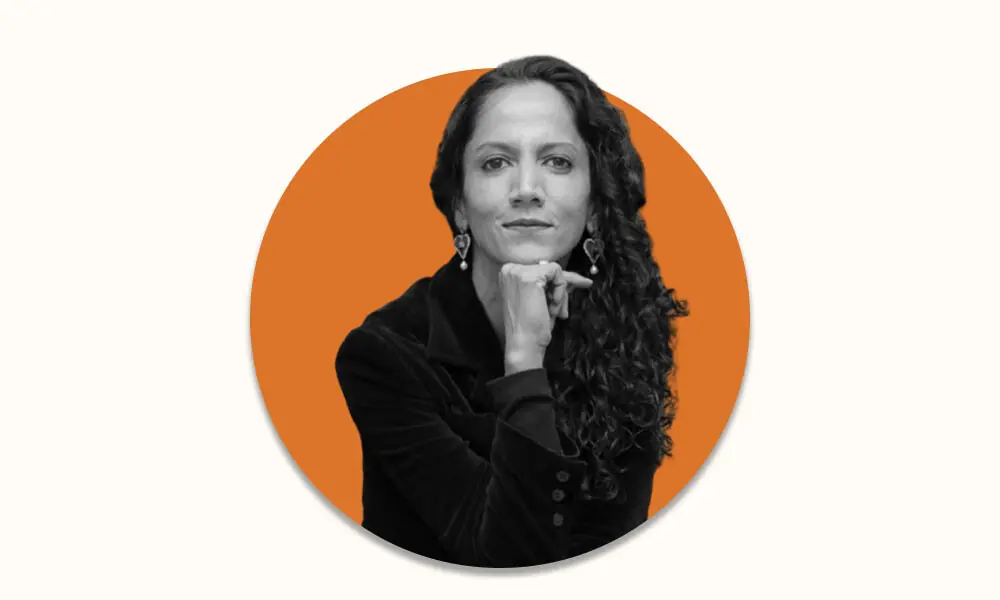

When I look back at my journey with Love Handmade, I often think about how something so small - a conversation in a village, a piece of cloth passed down generations, a woman quietly stitching in the corner of her home - grew into something that could shift many lives. I didn’t start Love Handmade as a business plan, rather, it began as an intuitive personal calling in 2020, which blossomed after decades of working with artisans, designing sustainably, and believing deeply in the dignity of women’s work. Particularly home-based workers, confined to their homes and villages.
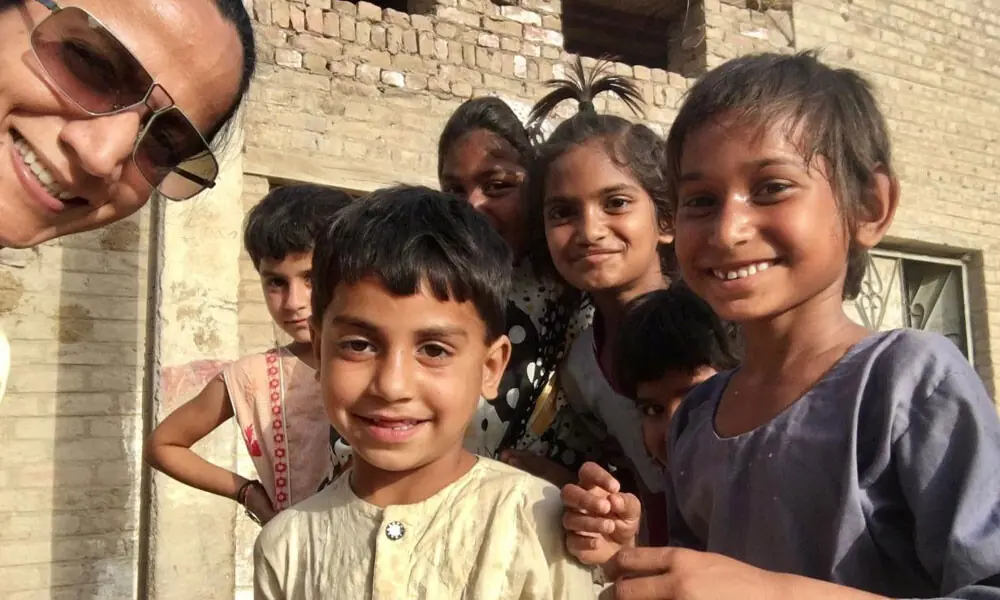
I grew up in Lahore in a home full of creativity. I’m one of five sisters, raised by two incredibly loving and expressive parents who encouraged each of us to become our own person. Individuation wasn’t just allowed, it was encouraged and welcomed. My mother nurtured curiosity, my father instilled purpose, and together as a couple they created a home where beauty, culture and handmade craft were simply part of life. Those early years shaped the way I saw craft - not as ornamentation, but as one’s identity that one could take great pride in.
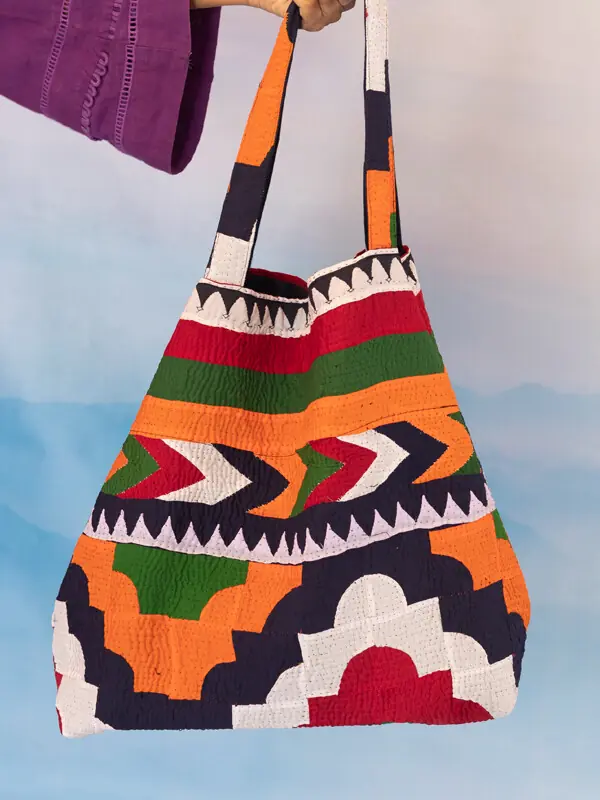
My mother, now in her late eighties, is still as curious and excited about craft as ever. She attended my exhibition this month and the first thing she said was how the new pieces felt like an evolution. Her eyes still light up the way they did when I was a child discovering textiles for the first time. That memory alone reminds me how deeply this work is embedded in who I am.
When I moved to New York in 1998 and launched my eco-conscious label Guru, I found myself at the forefront of slow fashion long before it became a global buzzword. I learned what international audiences truly connected with, story, meaning and authenticity. My designs appeared in places I never could’ve ever imagined: Oprah Magazine, Vogue, The New York Times and then some. Bette Midler even bought my Guru tunics, and I was over the moon when I found out. But what stayed with me wasn’t the fame; it was the realization that craft, when nurtured with respect, could stand anywhere in the world. There’s much to be said about the notion of intention here, but that’s an article for perhaps another day.
Those early years shaped the way I saw craft - not as ornamentation, but as one’s identity that one could take great pride in.
Returning to Pakistan in 2016 changed everything. I met hundreds of home-based craftswomen whose talent was extraordinary but who lived quietly in the margins, often unseen and grossly overlooked. They stitched with intuitive, God-given aesthetics and brilliance, but their work rarely reached markets that valued their skill. Those encounters prepared me for what would eventually become my purpose.
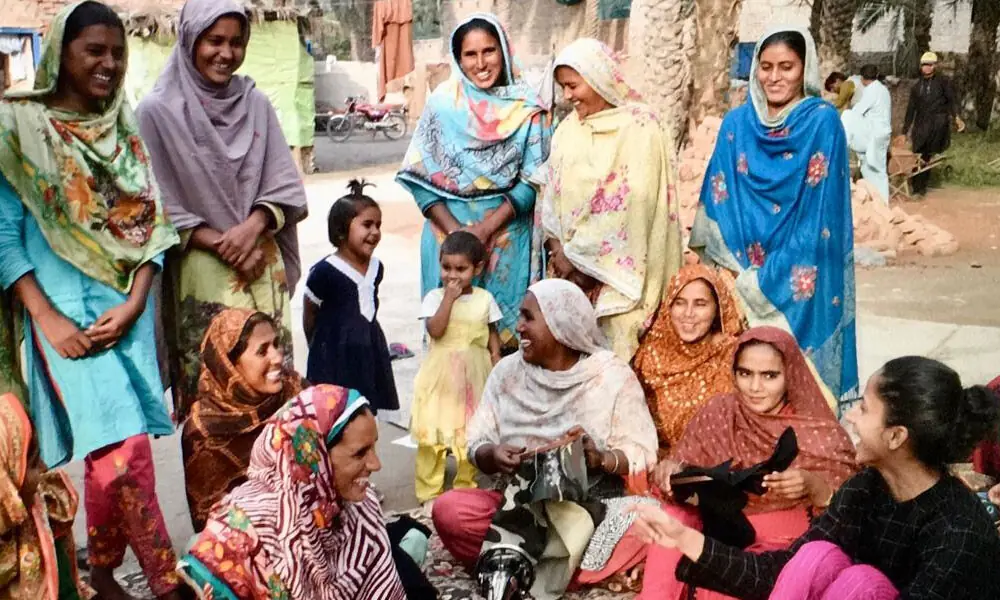
By 2020, I kept meeting women who were gifted beyond measure yet invisible to opportunity. The question that stayed with me was; how do we connect their hands to the world without asking them to leave their homes or compromise their cultural realities?
Love Handmade grew out of that question. I didn’t want to create a charity model. I wanted partnership. I wanted artisans to own their craft, earn fairly and be seen. Today, we work with 125 artisans across 10 villages in rural Sindh, but to me they are not workers. They are craft partners. They are mothers, artists and carriers of generational knowledge. We share each other’s joys, challenges and triumphs. These are lifelong relationships built on trust, mutual respect and shared humanity. I have never approached them to extract something…we build together.
I kept meeting women who were gifted beyond measure yet invisible to opportunity
Entrepreneurship in Pakistan comes with unpredictable turns, economic shifts, cultural barriers, environmental disasters. But it’s the women I work with who keep me steady. Their resilience is unmatched. Women who once hesitated to speak now open bank accounts, manage orders, record transactions and negotiate confidently. Over 600 children are enrolled in school because their mothers earn stable incomes. Access to digital tools and financial literacy has transformed their sense of self.
Even climate disasters like the 2022 floods didn’t break their spirit. Many lost homes and fields, yet sitting together to stitch again became a way back to dignity and stability. Craft became exceptionally healing.
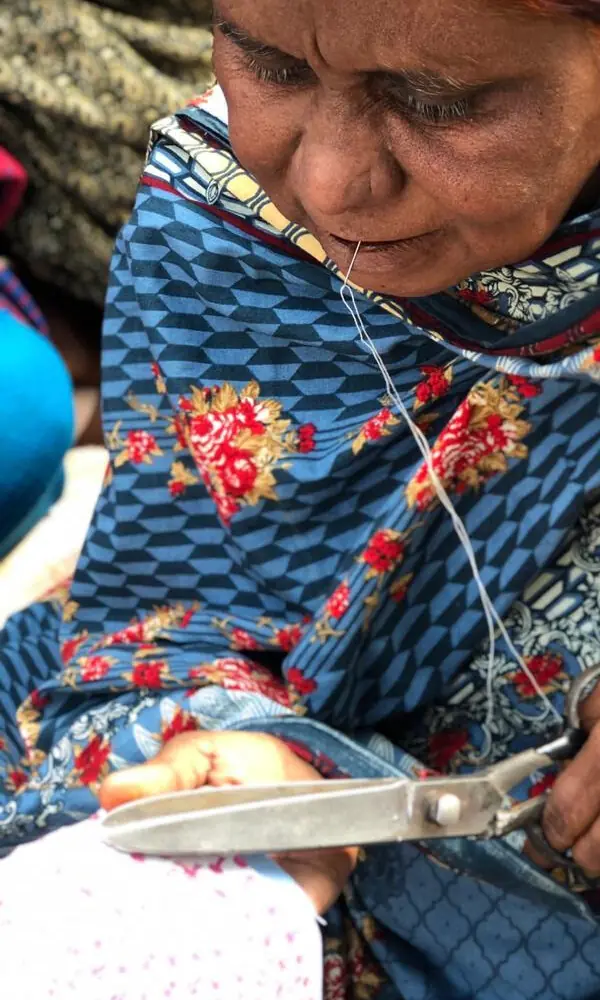
People often ask if slow fashion still matters in today’s fast-paced world. My answer is yes, now more than ever. People are searching for meaning. When someone buys a hand-embroidered rilli jacket or an ajrak-inspired piece, they aren’t just buying design. They’re buying a real story. My identity plays a big role in all this. Pakistan taught me the value of heritage. New York taught me how to bring that heritage to a global audience. Standing at that intersection helps me translate rural craft into contemporary design without losing soul.
And through it all, I’ve learned something essential about myself: slow fashion isn’t just what I create, it’s what I live. I used to be a workaholic, constantly pushing, constantly producing, until I woke up one day thinking, why have I put this metaphorical gun to my head? What exactly was I running towards, anxious and utterly depleted? Rebuilding myself required a different pace. A gentler one. One rooted in intention rather than urgency. So at Love Handmade we refuse to rush. Craft takes the time it takes and that’s that. Women deserve the dignity of unhurried work, just as heritage deserves meaningful patience. Pauses too. Nothing good and long-lasting was ever made at break-neck speed. The journey unfolds exactly as it’s meant to, all in due time.
The article does not necessarily reflect the opinion of Business Recorder or its owners.
The author is the founder of Love Handmade and an ethical fashion advocate based in Islamabad. She can be reached at: [email protected]















Comments
Comments are closed for this article.