


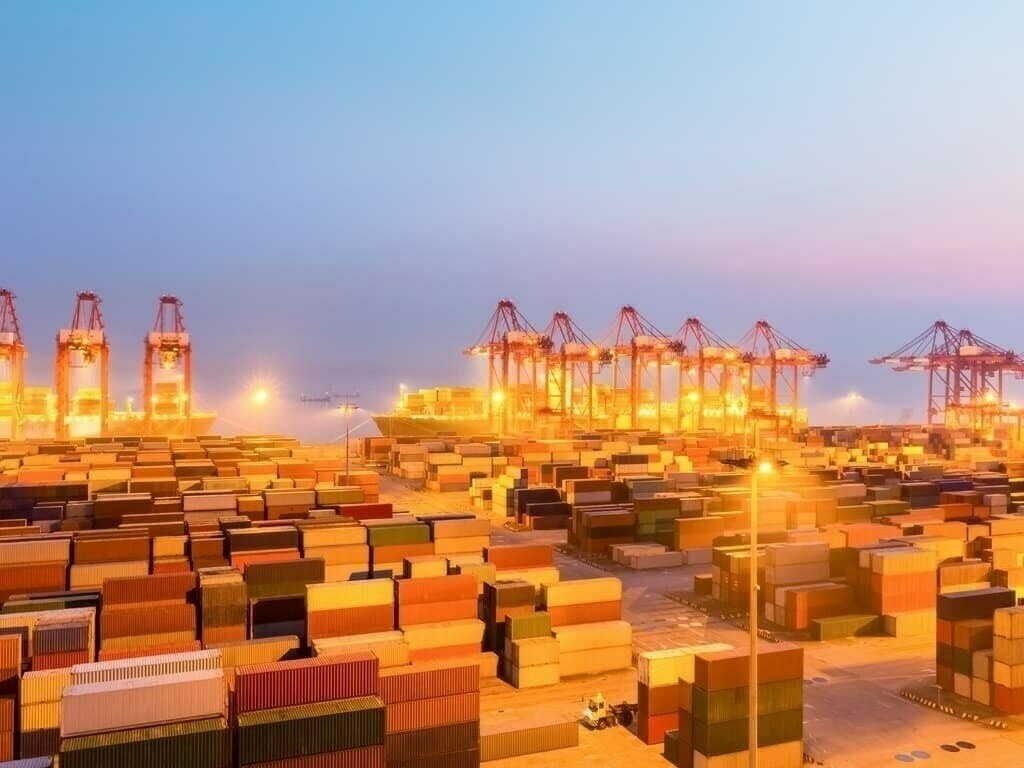
EDITORIAL: Pakistan’s goods trade balance (based on shipment data) is growing sharply — it’s up by 60 percent in 4MFY26 to USD23.1 billion. With a modest economic recovery evident in 4.1 percent growth in large-scale manufacturing (LSM) in 1QFY26, imports are growing faster, up by 16 percent to USD20 billion in 4MFY26.
However, the export sector is not doing well, as exports plummeted by 4 percent to USD10.5 billion. Within LSM, the growth of textile and readymade garments, which constitute almost two-thirds of goods exports, remained muted, up by 0.4 percent and 0.3 percent, respectively, in 1QFY26.
This is the stark opposite of last year, when overall LSM growth was muted but readymade garments were the standout performer.
The dent in performance is due to higher taxes on textile firms, rising energy costs, and relatively high minimum wage prices in Pakistan compared to Bangladesh. There is growing competition in textile export markets, and with US tariffs, demand is generally slowing.
The most significant increase in LSM in 1QFY26 was in automobiles, which grew by 85 percent and accounted for almost half of the rise. The jump is similar (if not more) in import numbers — transportation imports are up 111 percent to USD1.4 billion in 4MFY26.
The LSM index is based on the number of cars, while the import number is based on the cost per unit – CKD cars imports are up 2.2 times in 4MFY26. This suggests that more expensive cars are being imported this year, as evidenced by growing demand for Chinese crossovers and NEVs.
The localisation is low, and the same goes for employment generation. The second-largest LSM growth contributor is the food sector — up by 7 percent and accounting for one-fifth of growth in 1QFY26.
Interestingly, the food trade deficit, which was almost nil in the same period last year, has now jumped to USD1.5 billion in 4MQY26. And food exports’ dip (at 35 percent) is the highest among all sectors in this fiscal year so far.
The whole point of illustrating these examples is to show the inferior quality of LSM growth and how it worsens the trade deficit, heightening the risk of another balance-of-payments crisis. This also explains the inequality in growth, where fewer employment-generating goods are consumed by the affluent class, which is growing faster.
And, automobiles are the first line of defence against bringing imports down == every time there is a crisis, the government increases taxes on them, and the central bank limits their financing (there is already a cap of Rs3 million on car financing). In the last crisis, cars were the first sector in which SBP restricted imports.
This implies the components of growth are not to policymakers’ liking, and they may apply some breaks in the next fiscal year through higher taxes. On the other hand, the growing food deficit is linked to the government’s flawed policies, which have adversely impacted the farm economy. The link between LSM and the trade deficit is challenging the overall mantra of macroeconomic stability, as a modest uptick in GDP growth raises questions about the sustainability of stability.
The country needs broad-based growth that generates employment for large pools of youth entering the labour force and is focused on avoiding another balance-of-payments crisis. However, the reality is that the growth pattern is worse than it was in the previous cycle. Higher taxation and energy prices, in the absence of structural reforms, are lowering investment, which is already at its lowest level in the country’s history. Both domestic and foreign investment are falling. Entrepreneurs are largely bearish on the outlook for the country’s industrial sectors. And the numbers reflect those sentiments.
It’s about time the government rethought its strategy, as even with primary fiscal surpluses and high real positive interest rates, economic risks are growing.
Copyright Business Recorder, 2025




















Comments
Comments are closed for this article.