


China’s yuan slips against dollar, but rises to 7-month high vs currency basket
- The onshore yuan fell to a low of 7.1199 per dollar
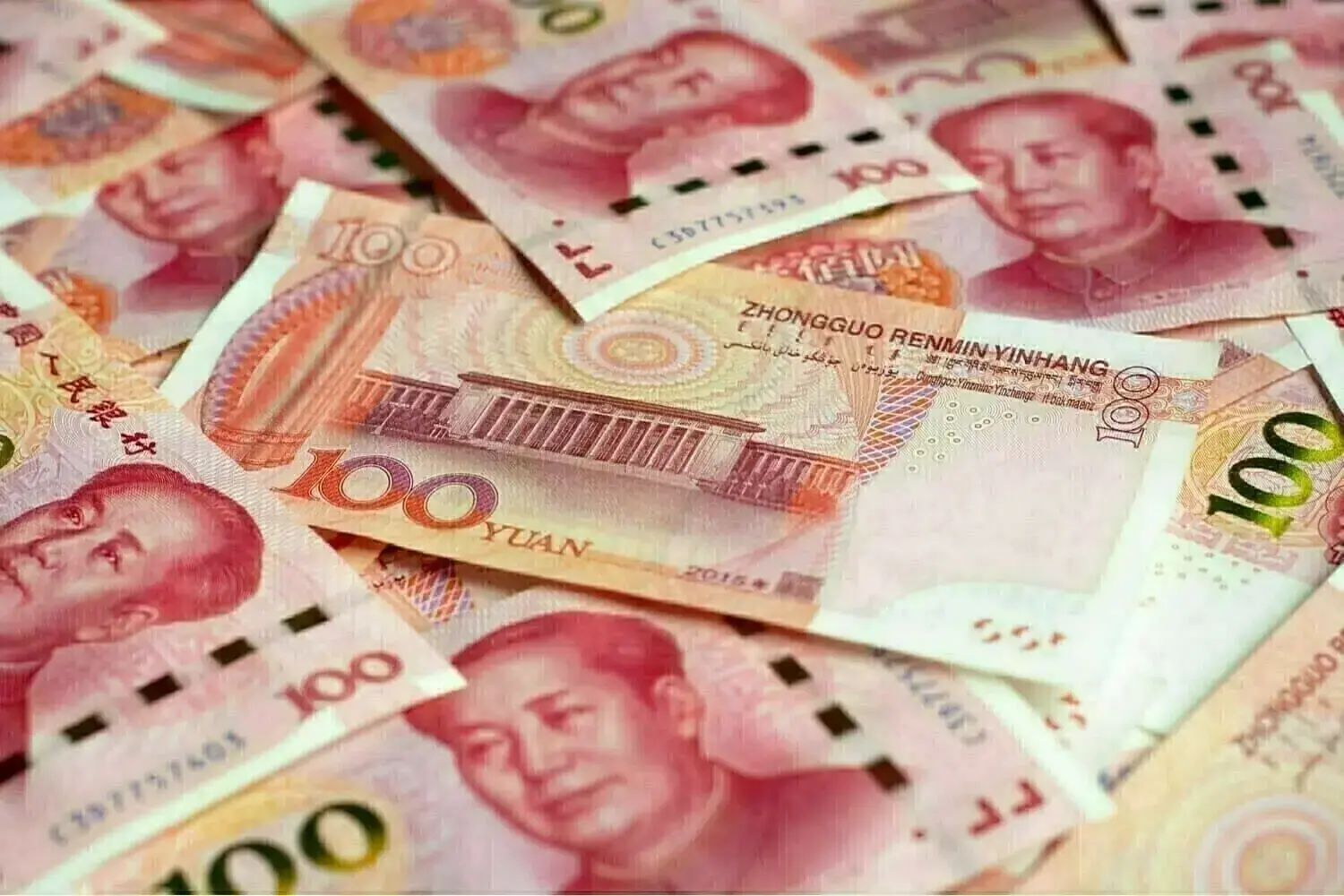

SHANGHAI: China’s yuan edged down to a more than one-week low against the dollar on Thursday, reflecting broad greenback strength in global markets as investors reduced bets on a Federal Reserve interest rate reduction next month.
The dollar strengthened as Fed minutes made a December US rate cut seem less likely, and yen weakness also lent support.
The onshore yuan fell to a low of 7.1199 per dollar, the weakest level since November 12, before trading 7.1160 as of 0400 GMT.
Its offshore counterpart stood at 7.1189 per dollar around midday.
Currency traders said market participants would closely monitor the delayed September US payrolls report due later in the session for more clues on the monetary easing trajectory in the world’s largest economy and its impact on global financial markets.
“This will give some preview into the backlog US data that may reveal about the US economy,” Christopher Wong, FX strategist at OCBC Bank, said in a note.
Separately, escalating diplomatic disputes between China and Japan over Taiwan lifted the yuan-yen cross rate to a high of 22.1242 on Thursday, a level that was last seen on July 11, 2024.
It last traded at 22.1054.
Prior to market opening, the People’s Bank of China (PBOC) set the midpoint rate at 7.0905 per dollar, its weakest level since October 24, and 296 pips firmer than a Reuters estimate of 7.1201.
The PBOC allows the spot yuan to trade a maximum of 2% either side of the fixed midpoint each day.
Based on Thursday’s fixing, the yuan’s value against a basket of currencies, as measured by the yuan CFETS index, rose to a more than seven-month high of 98.11, but was still down 3.31% year-to-date.
The spot rate, however, gained about 2.58% during the same period.
Earlier in the session, China left benchmark loan prime rates (LPRs) unchanged for the sixth consecutive month in November, matching market expectations, after the central bank signalled less urgency for additional monetary stimulus.
The next key events to watch will be the Politburo meeting and the Central Economic Work Conference in December, analysts and traders said, as they hope the two meetings will yield hints on the policy agenda for next year.
“We expect the government to aim for about 5% GDP growth as the first year of the 15th Five-Year period,” economists at Societe Generale said in a note.
“To achieve that, a bigger fiscal package will be needed in our view, likely through more special bonds and/or quasi-fiscal measures.
A slightly larger official deficit than this year’s 4% of GDP may be possible.“
China was considering new measures to turn around its struggling property market, Bloomberg reported on Thursday citing sources it did not name.


























Comments
Comments are closed for this article.