


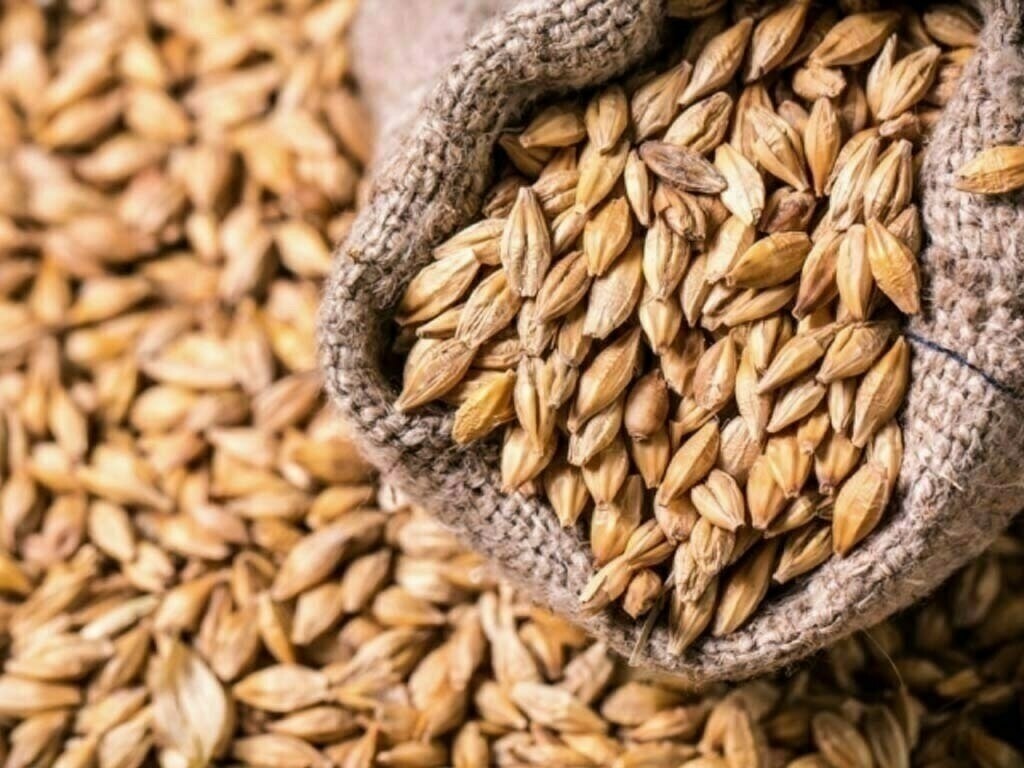

Fears of government reentry in the wheat market have become a reality, and wheat deregulation has ended abruptly, as it was introduced. So, Wheat is no more on pure market principles. The government has announced a support price of, 3500 per 40 kg and committed to procuring 6.2 MT of wheat this year.
Deregulation has ended in just two years in Punjab and prevailed for just one year in other provinces and the federal government. Many argue that deregulation wasn’t the right move. This had produced huge price distortions, which affected farmers badly, reduced their profits, and subsequently the agricultural sector was not performing well. As a result, it is contributing to growing food insecurity concerns. So, deregulation was not a good decision.
This is not the deregulation that failed, we did: because deregulation needs a comprehensive operational framework, which did not exist when deregulation was embraced abruptly.
At first glance, these arguments appear true. However, deregulation is not bad, it has been done out of sorts in Pakistan, which is why it is failing, apparently, or has become politically unviable. Actually, the recent attempt at deregulation is under question due to the poor sequencing, contradictory policy moves, and political economy risks, not because the market principles are wrong.
Wheat market was deregulated to reduce the fiscal distortions. However, meanwhile, Punjab government retired its wheat circular debt, a big financial burden, which was almost Rs 680 billion until 2023. This is providing additional fiscal space for agriculture sector, but then what went wrong?
Firstly, experts have constantly stressed the phasing of deregulation in 3 to 5 years and a robust market monitoring system as prerequisites. But, decision have been undertaken and implemented suddenly. This sudden transition was an abrupt shock for market and farmers. Further, no rigorous market monitoring was prepared. This left the farmers vulnerable and exposed them to all price swings, therefore created a backlash. So, the first reason behind this crisis was the wheat deregulation policy sequencing, which was too blunt a shift from heavy procurement to market-oriented model.
Secondly, a formal warehouse receipt system was not fully operational at a large scale; and a transparent stock reporting and post-harvest system was nonexistent, which typically allows private stakeholders to hold stocks without creating panic. In this scenario, state’s exit leaves no alternative but to stabilize the market supply. This allows the private actors to hoard and manipulate prices. Recent raids and recoveries of hoarded wheat indicate how market abuse can amplify the supply shocks and compel the government to intervene.
Thirdly, wheat cultivation declined in 2024-25. This reduction in cultivated area, coupled with drought conditions, resulted in insufficient production. Subsequently, Pakistan experienced massive floods that caused extensive damage to kharif crops and stored wheat stocks, further delaying wheat cultivation this year. So, wheat market liberalization coincided with a bad season, which created political pressure.
Principally, wheat market deregulation success depends on proper sequencing and the presence of a sustainable and supportive institutional and operational framework. This reform attempt is faltering primarily because several complementary measures necessary for success were missing. Short-term disruptions are true, but deregulation is the right policy measure for a long-term, sustainable wheat future.
Targeted transfers were fiscally efficient for quick responses to wheat issues, temporarily scaling up through targeted support for the poorest households was better than reentering the market via universal MSP, which creates large fiscal procurement bills.
However, this reentry is also providing a great opportunity to plan deregulation in 3 to 5 years. Otherwise, we may be discussing the burden of large procurement once again in a few years. This time, it can be a planned transition. However, a few key measures are essential for an effective and efficient deregulation.
Policies don’t work in shadows. Policy should be clear with a definitive timeline. Like wheat, deregulation will last for the next 5 or 10 years. Further, complete market liberalization is a prerequisite. For this, there should be no intervention in input and output markets. All the restrictions on wheat movement within and across provinces should be removed completely to ensure that farmers can sell wherever they get the best price. Once wheat prices are market-driven, price ceilings on flour and roti should be discontinued to avoid distortions and encourage fair competition across the supply chain.
Let the wheat market stabilize itself, and try to remove the cartels through robust monitoring. If wheat cultivation is reduced, there is nothing to worry about from an economic aspect. This will be replaced by the oilseed crops, which are more profitable, Rs 5036 more profit per acre. If almost 10 percent of the wheat area is moved to oilseeds and pulses, it will add Rs 10.8 billion to the country’s economy. Additional benefits are from reduced import of edible oil, which is already hovering around USD 2.2 billion. So, the fears of wheat import can be managed financially.
Government exit from the wheat market calls for bigger investments in storage, logistics, and processing by the private sector. This is not possible without announcing a clear, stable, and long-term policy commitment for 5 to 10 years. This will build market confidence for all the concerned stakeholders.
The role of government should remain limited to maintaining 10-15 percent of national demand as emergency reserves. These should be purchased at market rate from small farmers only. This will safeguard the vulnerable growers, prevent price shock, and ensure quick market interventions.
For efficient and effective market monitoring, the establishment of a centralized, comprehensive data portal under the Ministry of National Food Security and Research is direly needed. This will integrate real-time information on wheat production, stocks, prices, and trade to facilitate evidence-based policy decisions and also to reduce information asymmetry. Further, utilize or integrate modern tools such as AI and blockchain in the data portal. This will assist in avoiding cartelization to ensure that farmers receive a fair return and consumers are protected from artificial price hikes.
Forward or futures contracts between farmers and millers can also help in managing price risk. Managing price risk is better than implementing blunt price controls.
So, wheat market reforms must now evolve from reactive reversals to a deliberate, data-driven, and institutionally grounded transition, which can build market confidence, empower farmers, attract private investment, and ensure food security not through control, but through credible, transparent, and well sequenced deregulation that sustains itself beyond political cycles.
Copyright Business Recorder, 2025
The writer is a Research Fellow at Pakistan Institute of Development Economics (PIDE). He tweets @DrMFaisal_Ali


















Comments
Comments are closed for this article.