


EDITORIAL: Pakistan’s descent from a water-abundant state to one of the world’s most water-scarce nations is not a tragedy of fate but of governance. The country’s rivers, once its lifeline, are now the stage for both natural calamities and political gamesmanship. The latest warnings from the IMF have only reinforced what domestic experts have been saying for years – Pakistan’s water crisis is no longer environmental, it is existential.
At the heart of the problem lies neglect. While governments have rotated, the problems have stayed the same: inadequate reservoirs, aging irrigation systems, and years of political hesitation.
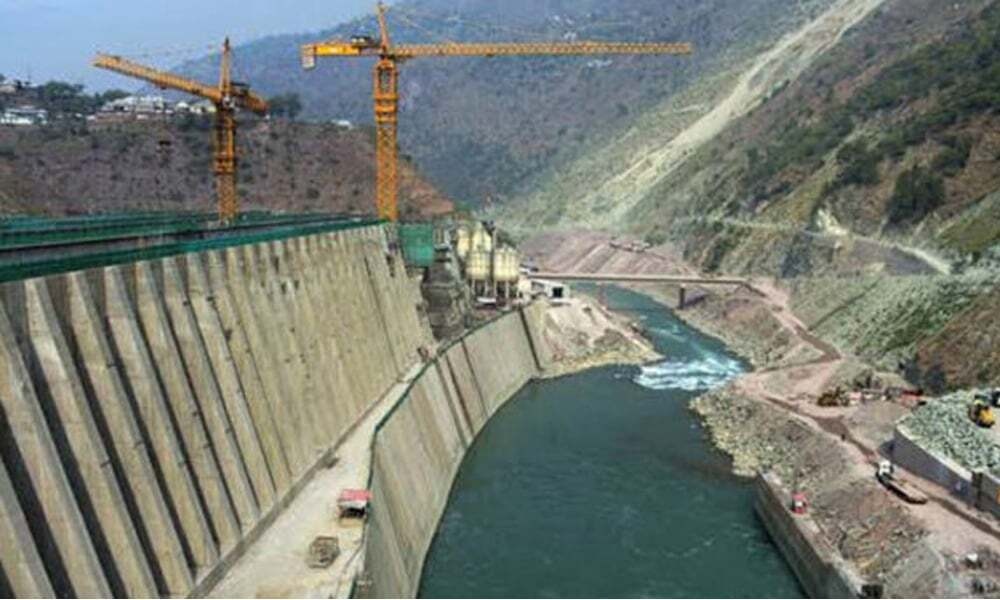
The IMF’s reminder that Pakistan must urgently prioritise water management comes as the country seeks Rs3.3 trillion to complete its stalled mega dam projects, including Diamer-Bhasha and Mohmand. These are not just engineering undertakings but matters of national survival, yet the state still lacks consensus on how to fund them.
The tragedy is that the urgency has never translated into progress. The ministry of water resources admits that, at current allocations, Mohmand could take 15 years to complete and Diamer-Bhasha more than 20. That is an entire generation spent waiting for storage that should have been built decades ago. Pakistan stores barely 30 days of Indus water – one of the lowest capacities in the region – and every monsoon exposes the imbalance between scarcity and excess. This year alone, three rivers flooded, causing damages approaching Rs 1 trillion.
Meanwhile, the country is now forced to confront not just climate volatility but what experts describe as India’s growing weaponisation of water. The IMF and World Bank have both drawn attention to how erratic river flows and transboundary pressures complicate Pakistan’s already fragile balance. Yet even in the face of external aggression and internal inefficiency, the state’s institutional response remains sluggish. Bureaucratic fragmentation, provincial infighting, and short-term political calculations have left Pakistan unable to build the resilience it desperately needs.
The financing debate captures this dysfunction perfectly. The federal government has suggested that provinces share the fiscal burden or that politically motivated projects be dropped from the development programme to make room for essential reservoirs. But provincial resistance and competing political interests continue to paralyse decision-making.
The IMF’s rejection of a proposed 1 percent cess to raise funds was a warning not against the goal but against the lack of credible planning behind it.
The numbers tell their own story. The IMF’s resident representative, Mahir Binici, urged Pakistan to invest at least 1 percent of GDP in resilient infrastructure. The World Bank reminded that the 2022 floods alone caused US$30 billion in losses, and another US$2.9 billion in recent months. The lesson is simple: every rupee not spent on prevention today will cost ten in damage tomorrow. Yet the country continues to build hotels and hospitals in the public sector while its water reservoirs remain unfinished.
There are no shortcuts to solving a structural problem of this scale. Building storage capacity, modernising irrigation networks, and integrating climate resilience into fiscal planning must become the pillars of national security, not just development. Water is not an environmental issue – it is the foundation of agriculture, energy, and economic survival.
Pakistan’s policymakers must also learn to cooperate. The IMF’s push for better project selection under the development programme, and the call for regional cooperation voiced by experts at the SDPI conference, both underline that water cannot be managed in silos. The civil-military leadership’s discussion on reservoir construction is a step forward, but intent without implementation has defined this story for too long.
If Pakistan is serious about its future, it must treat every drop as a matter of national strategy. Climate volatility and India’s manipulation of flows have made delay unaffordable. The real question is not just whether the country can raise Rs3.3 trillion, but also whether it can muster the discipline to spend it wisely. Water, once Pakistan’s strength, has become its greatest test – and this time, there will be no excuses left.
Copyright Business Recorder, 2025




















Comments
Comments are closed for this article.