


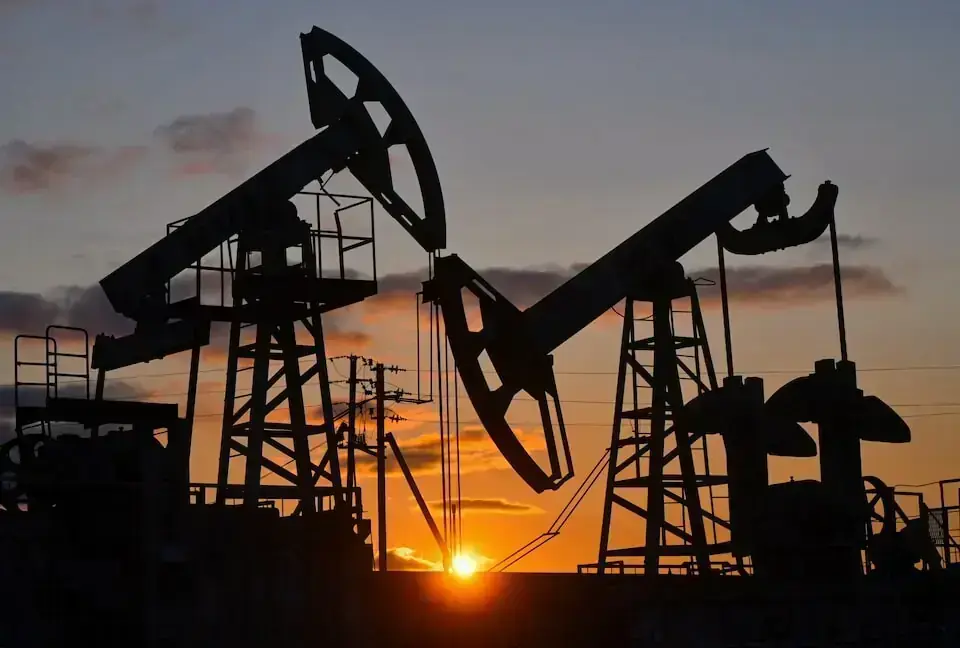

Oil prices have softened again, and this time the decline feels different. Brent crude hovering in the low to mid $60 per barrel has turned into an unlikely source of relief for energy importers — and Pakistan, with its widening trade deficit and rising import bill, could not have asked for better timing. E In a season when external pressures are mounting, that’s a lifeline, the economy didn’t plan for but badly needs.
Yet, the reason behind this relief is less reassuring. Global oil markets are showing all the hallmarks of a structural glut. Even as OPEC+ agreed to pause its planned output hikes for the first quarter of 2026 — a move meant to steady sentiment — prices barely budged.
The market’s muted response says more than OPEC’s communiqué ever could: the world is awash with crude. Production from non-Opec players such as the U.S., Brazil, and Canada remains strong, while even sanctioned Russian output has proven stickier than expected.
Surveys suggest Opec’s own production ticked higher in October, underscoring how hard it is for the cartel to enforce discipline when prices are weak.
On the demand side, the International Energy Agency sees consumption rising by less than a million barrels per day next year — far short of what’s needed to absorb growing supply. Refinery runs in China have slowed, European demand is stagnant, and U.S. consumption has plateaued ahead of the election cycle.
High interest rates and a subdued manufacturing outlook have dulled appetite across major economies, while the structural shift away from fossil fuels keeps chipping away at long-term growth. Even the occasional lift from positive headlines — whether U.S.–China trade optics or temporary disruptions like Lukoil’s force majeure in Iraq — has failed to change the direction of travel.
The futures market tells the same story. The once-steep backwardation in Brent — where traders paid a premium for immediate barrels — has flattened, signaling that physical tightness has all but vanished. Inventories are building, and every brief rally meets a wall of selling. Even the steadier dollar is weighing mildly on prices by making oil more expensive in non-U.S. currencies. In short, sentiment remains fragile, and the market no longer believes OPEC can dictate the narrative.
For Pakistan, the implications are straightforward — and largely positive in the near term. Oil is the country’s single biggest import item, and cheaper crude directly lightens the current account burden.
But the danger lies in complacency. A softer oil market can create the illusion of comfort, tempting policymakers to defer tough energy reforms — from pricing transparency to renewable transition. The opportunity should instead be used to rebuild reserves and accelerate reforms.
And it will tighten eventually. Below $60, U.S. shale producers are likely to cut back drilling, providing a natural floor to prices.
Once that happens, the same mechanism cushioning Pakistan’s import bill could quickly reverse. Until then, the global oil market looks set to drift lower — an uneasy calm that importers will quietly welcome, even as producers grow restless.




















Comments
Comments are closed for this article.