


Textile industry deeply divided over Pakistan Accord on Health and Safety
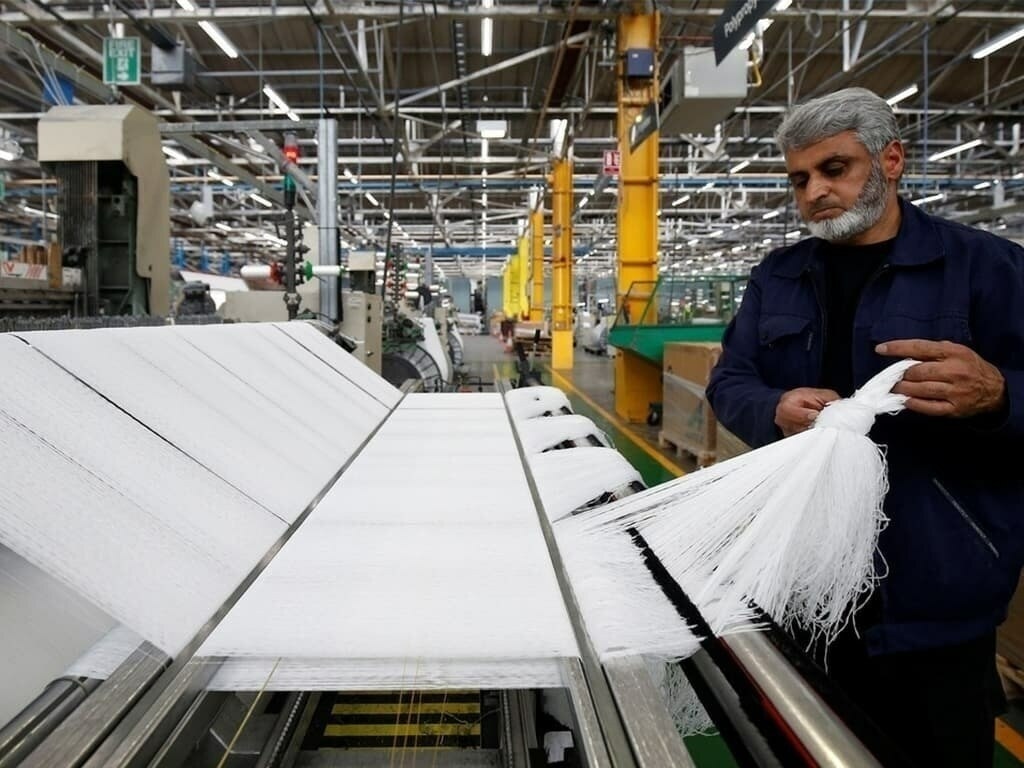

LAHORE: Pakistan’s textile and garment sector faces intense debate over the Pakistan Accord on Health and Safety, with industry representatives raising implementation concerns while supporters highlight crucial benefits for international trade relationships.
Accord advocates emphasize its potential role in helping Pakistan retain its Generalised Scheme of Preferences Plus status with the European Union, which grants duty-free access to European markets. Labour rights compliance remains critical for renewing this trade privilege. Recognizing financial challenges, exporters have urged the government to establish a support fund helping enterprises, particularly small and medium-sized businesses, meet international safety benchmarks.
However, industry resistance remains strong. Abdul Hameed, Zonal Chairman of the Pakistan Hosiery Manufacturers Association, firmly opposes implementation, asserting Pakistani factories already comply with international and local standards, making external inspections unnecessary. He objects to implied threats of delisting non-compliant factories, arguing this pressures manufacturers and could jeopardize relationships with international buyers.
Manufacturers allege inadequate consultation during the Accord’s establishment, creating perceptions of imposition without proper consideration of existing local safety protocols and government labour department oversight. Another major concern involves potential conflicts between the Accord’s independent inspection mechanisms and Pakistan’s existing labour laws and provincial departments.
Hameed referenced a 2022 article about Bangladesh’s Supreme Court suggesting the Bangladesh Accord had occasionally terminated factories based on second-hand information rather than thorough inspections. These precedents have generated anxiety about assessment process fairness and objectivity.
Adeeb Iqbal Sheikh, former Zonal Chairman of the Pakistan Readymade Garments Manufacturers and Exporters Association, warned that while acknowledging the Accord’s legal binding nature and global brand backing, some exporters fear exploitation for blackmail purposes and substantial financial burdens. Industry sources expressed skepticism about independent inspections potentially being weaponized to pressure suppliers unfairly.
Sheikh argues the Accord duplicates existing efforts by local and international organizations, noting Pakistan has established national guidelines and collaborates with organizations including German development agency GIZ and the World Wildlife Fund to promote comprehensive health and safety standards.
Zulfiqar Shah, Pakistan International Accord consultant, firmly rejected exploitation concerns and unnecessary burden claims, acknowledging that resistance naturally accompanies new legislation while emphasizing the importance of moving forward.
The International Accord represents a legally binding agreement between global fashion brands, retailers, and trade unions, aiming to transform Pakistan’s textile industry into a safe, sustainable environment by preventing workplace accidents through comprehensive measures covering fire safety, electrical safety, structural integrity, and boiler safety.
Over 140 global brands have officially signed the Pakistan Accord, including Marks & Spencer, Bestseller, and PVH. A recent Lahore roundtable attracted representatives from over 50 brands and 30 key suppliers, creating dialogue on safety standards and implementation challenges.
Suppliers praised transparency in independent inspections but emphasized needs for enhanced technical engineering capacity and clearer demonstration of return on investment for safety upgrades. Aamir Chottani of Chottani Industries characterized the Accord as a significant business growth opportunity, while Raffay Bin Rauf from Sapphire Finishing Mills urged brands to view factories as genuine partners rather than merely suppliers.
Khurram Mukhtar, Patron-in-Chief of the Pakistan Textile Exporters Association, emphasized the initiative’s three fundamental pillars: building safety, fire safety, and electrical safety. He stressed that strengthening safety infrastructure will enhance Pakistan’s global competitiveness while demonstrating commitment to responsible manufacturing. Mukhtar appealed for federal government establishment of a financial support fund, declaring safety measures should be viewed as strategic investments rather than burdens.
APTMA Chairman Kamran Arshad emphasized Pakistani manufacturers maintain full international standards compliance. He stated APTMA members operate as compliant corporate entities adhering to comprehensive standards including SA 8000, Oeko-Tex, and STEP certifications. Pakistan’s textile industry maintains full compliance with twenty-seven conventions required under GSP Plus status, encompassing social welfare, gender equality, and environmental protection.
Arshad provided historical context, explaining the Accord launched following Bangladesh’s tragic 2013 Rana Plaza collapse. While Pakistan’s industry follows international standards, groups prefer greater local control over foreign oversight. He referenced Bangladesh’s evolution, where the RMG Sustainability Council assumed Accord responsibilities in June 2020.
Overall, APTMA views the Accord positively as an opportunity rather than challenge for Pakistan’s textile sector.
Copyright Business Recorder, 2025



















Comments
Comments are closed for this article.