


Over 80pc of women in Sindh deprived of higher education: Experts
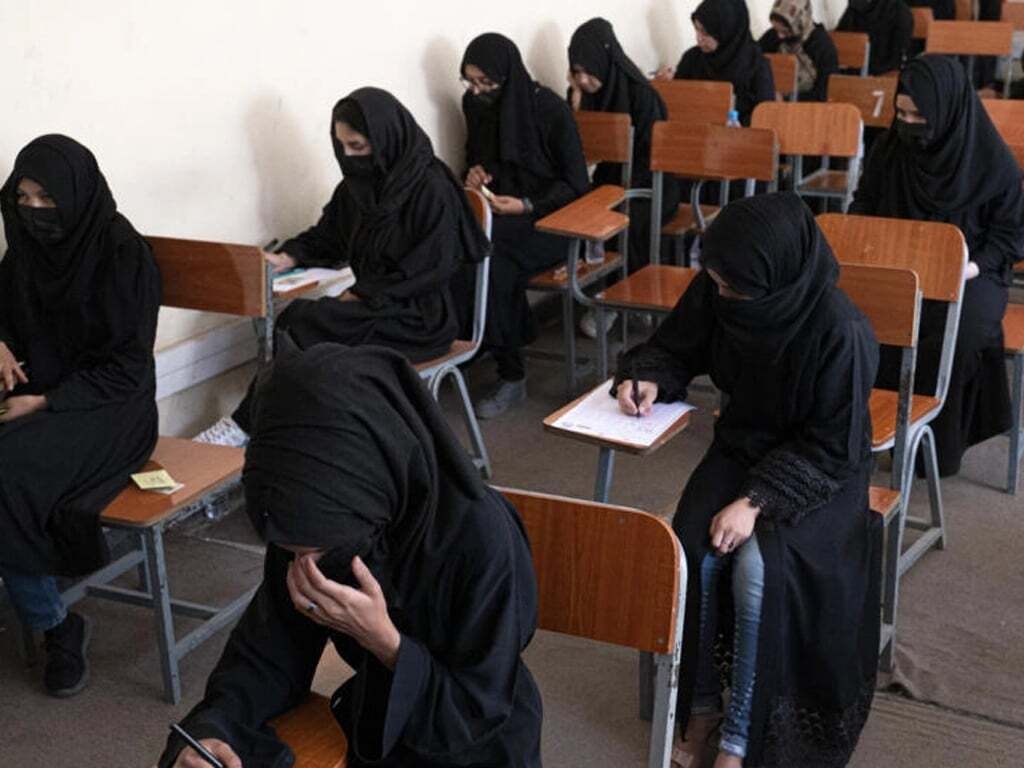

HYDERABAD: Academicians and social experts have voiced grave concern over the persistent gender gap in education and employment, revealing that over 80 percent of women in Sindh remains deprived of higher education, while nearly 66 percent of rural women are part of the agricultural labour force but continue to receive lower wages than men.
The remarks came during a seminar titled “Women Empowerment and Gender Equality” organized at Sindh Agriculture University (SAU), Tandojam, under the Students–Teachers Engagement Program, in collaboration with the Higher Education Commission (HEC) Islamabad and the Sindh Higher Education Commission (SHEC).
SAU Vice Chancellor Prof. Engr. Dr. Altaf Ali Siyal, addressing the seminar, said that empowering women is not only a matter of social justice but also a vital economic driver for Pakistan’s sustainable development.
“Women represent more than half of Pakistan’s population, yet their average income remains less than half that of men. Unless we bridge this gap, we cannot achieve true progress,” Dr. Siyal said, adding that SAU provides a safe, inclusive, and enabling environment for its female students to participate in both academic and extracurricular spheres.
Dr. Muhammad Ismail Kumbhar, Director University Advancement and Financial Assistance, emphasized that women farmers are the backbone of Pakistan’s agricultural productivity, yet remain marginalized in ownership, credit access, training, and market connectivity. “Recognizing women as full-scale farmers, not just unpaid helpers — is essential for rural transformation,” he noted.
Dr. Kumbhar highlighted that female literacy in rural Sindh remains below 30 percent, while women’s participation in the national labour force is just 24.26 percent, meaning only one in four women above 15 years is economically active. Referring to the Global Gender Gap Index 2024, he pointed out that Pakistan ranks 142nd among 148 countries, reflecting a deep-rooted disparity in education, employment, and leadership.
Copyright Business Recorder, 2025




















Comments
Comments are closed for this article.