


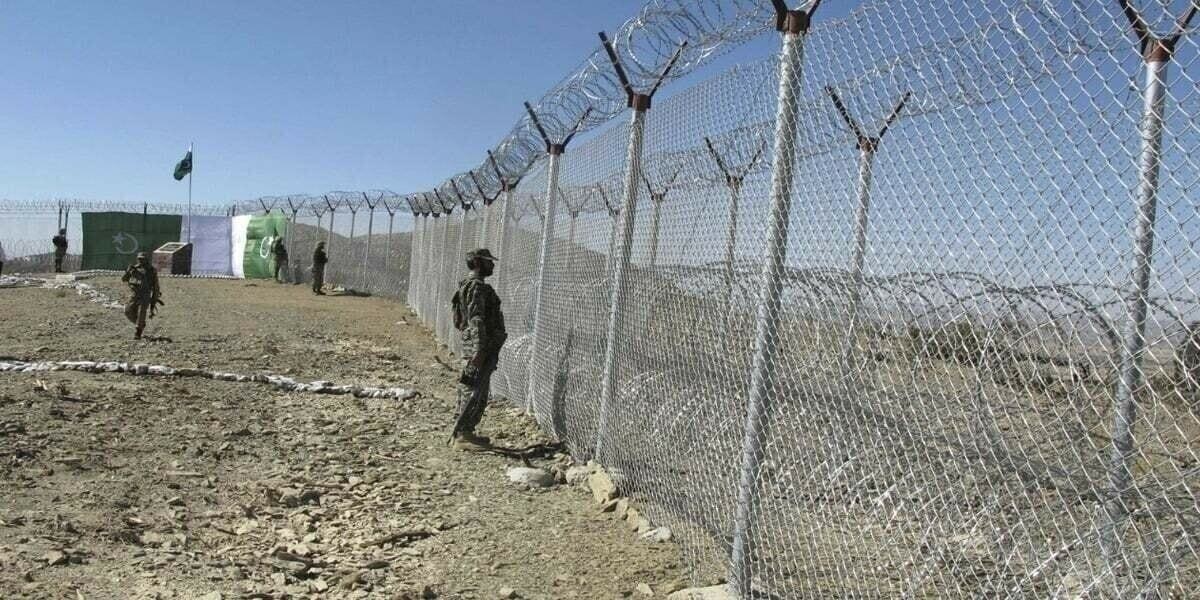
EDITORIAL: Pakistan’s recent show of composure amid escalating hostility from both its eastern and western borders underscores a truth too often ignored in this region’s political calculus: dignity in defence is not weakness; it is wisdom. The army chief’s reminder that “there is no space for war in a nuclearised environment” is not mere rhetoric; it is a sober warning born of experience, and one that New Delhi, in particular, would do well to heed.
For months, India’s political and military establishment has tested the limits of brinkmanship. It has fanned nationalist fervour, linked domestic politics to military adventurism, and blurred the line between deterrence and provocation. Such behaviour might rally voters, but it erodes strategic stability across South Asia.
A nuclear environment is not one in which miscalculations can be reversed; it is one where mistakes are catastrophic by definition. Pakistan’s decision to act with restraint, even while responding decisively when challenged, reflects not hesitation but maturity – the distinction between strength and recklessness.
It is also worth noting that Pakistan has faced provocation from more than one direction. On its western flank, Kabul’s descent into adventurism – firing across borders, harbouring proxies, and inviting confrontation – is as shortsighted as it is destabilising.
The belief that alliance with New Delhi somehow strengthens Afghanistan’s hand is a fantasy. The reality is that both countries have exposed themselves to international censure for fuelling regional instability. Pakistan, by contrast, has stayed consistent: it has responded with resolve where attacked, yet avoided escalation beyond necessity. That is what responsible deterrence looks like.
The lesson India and its new ally Afghanistan ought to draw is not military but moral. Nuclear deterrence does not eliminate war; it raises the stakes of folly. When Pakistan’s army chief says there is “no space for war,” he speaks not only as a soldier but as a strategist who understands that stability depends on restraint. India’s doctrine of “pre-emptive strikes” and cross-border incursions, dressed in the language of deterrence, in fact undermines it. Each provocation weakens the fragile equilibrium that has prevented catastrophe for decades. The danger is not theoretical; it is existential.
Pakistan’s conduct over the past months has reaffirmed its defence doctrine of credible deterrence and perpetual readiness. The operations cited by the COAS – from neutralising militant threats to defending territorial integrity – are evidence of capability, not aggression. They also signal to the world that Pakistan’s pursuit of peace is backed by preparedness. That balance is what separates deterrence from submission and diplomacy from naivety.
It is time the world recognised the asymmetry of responsibility in South Asia’s nuclear equation. Islamabad’s repeated calls for dialogue under international law, particularly on Kashmir, contrast sharply with New Delhi’s dismissive posture and expansionist rhetoric. The region does not need another demonstration of military power; it needs a demonstration of political maturity. The absence of the latter in India’s current posture is what makes the army chief’s words both timely and necessary.
Wars begin when restraint ends. And restraint is not a sign of fear; it is the highest form of strength. Pakistan’s composure under pressure, its measured responses to provocation from both borders, and its adherence to international norms have preserved not only national dignity but regional sanity. The message from Kakul could not have been clearer: Pakistan has no interest in war, but neither will it be intimidated.
In a world already fraught with nuclear anxieties, South Asia cannot afford even a moment of recklessness. Strategic maturity, not chest-thumping, is the true measure of power. Pakistan has displayed it; India must learn it.
Copyright Business Recorder, 2025




















Comments
Comments are closed for this article.