


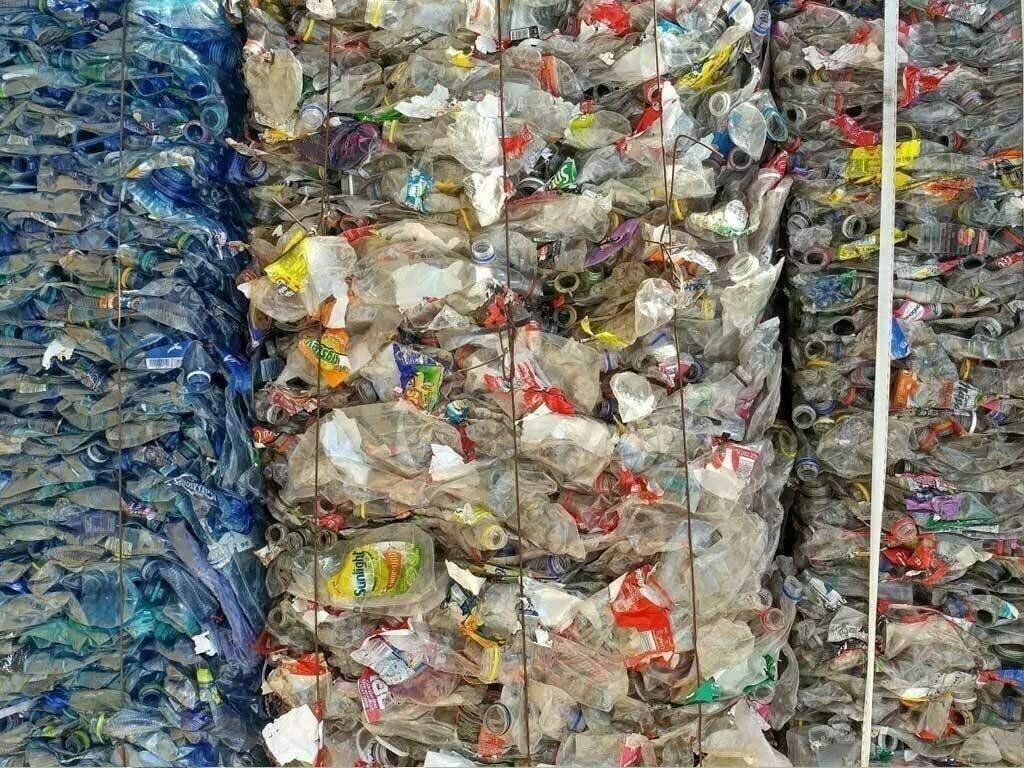
EDITORIAL: The Ministry of Climate Change and Environment Coordination recently informed the National Assembly of a deeply alarming situation regarding plastic waste in Pakistan. An estimated 3.9 million tons of plastic waste is generated annually across the country, yet only 4 to 9 percent of this waste is recycled.
The vast majority ends up in municipal landfills, open dumping sites, sewer drains, and water bodies—posing a serious threat not only to the environment but also to public health, biodiversity, and Pakistan’s long-term sustainability goals.
One of the most troubling aspects of this problem is the inefficient management of plastic waste at every stage—from production and consumption to disposal and recycling. The unchecked use of single-use plastic items, such as bags, packaging, and disposable containers, continues largely due to weak regulations and low public awareness.
Once discarded, these items frequently clog urban drainage and sewage systems, contributing to urban flooding and water pollution. In rural and coastal areas, plastic pollution severely disrupts ecosystems and endangers wildlife, especially marine species that often ingest or become entangled in plastic debris.
The ministry has also flagged the lack of consistency in the enforcement of plastic bans across the country. While some provincial governments have attempted to regulate plastic bag usage, the absence of a uniform national policy has rendered these efforts largely ineffective. Manufacturers and vendors continue to exploit legal loopholes; and weak enforcement means banned products remain readily available in many markets.
Addressing this growing crisis demands urgent, coordinated, and comprehensive action. A logical starting point is the recycling sector, which remains underfunded and inefficient. Much of the recyclable plastic ends up in mixed waste due to the lack of segregation at both household and municipal levels.
In this context, informal waste pickers play an important yet unappreciated role. Operating without legal protection, fair wages, or safe working conditions, these individuals – mostly children— form the backbone of whatever limited recycling does exist. A national strategy to integrate informal waste workers into the formal waste management system could significantly improve recovery rates while also supporting livelihoods.
More broadly, Pakistan must implement a national plastic waste management policy that includes stringent regulation of plastic production, incentives for biodegradable alternatives, standardized bans on single-use plastics, and a strong focus on public awareness campaigns.
Investments in modern recycling infrastructure and the adoption of a circular economy model—where plastic is reused, repurposed, and recycled—can drastically reduce the strain on landfills and ecosystems. Equally important is education and community engagement.
People need to understand the long-term impacts of plastic pollution and be empowered to make sustainable choices. Schools, businesses, and civil society must work together to shift public attitudes towards more responsible consumption and waste disposal.
Copyright Business Recorder, 2025























Comments
Comments are closed for this article.