


EDITORIAL: The findings of a recent Business Recorder survey raise serious concerns about the rampant smuggling of gutka—a highly addictive and carcinogenic mixture of betel nut and chewing tobacco—flooding local markets in Karachi. The product, smuggled in bulk from India, poses a grave public health risk and causes an estimated annual revenue loss of nearly Rs 100 billion, allegedly due to the complicity of customs officials.
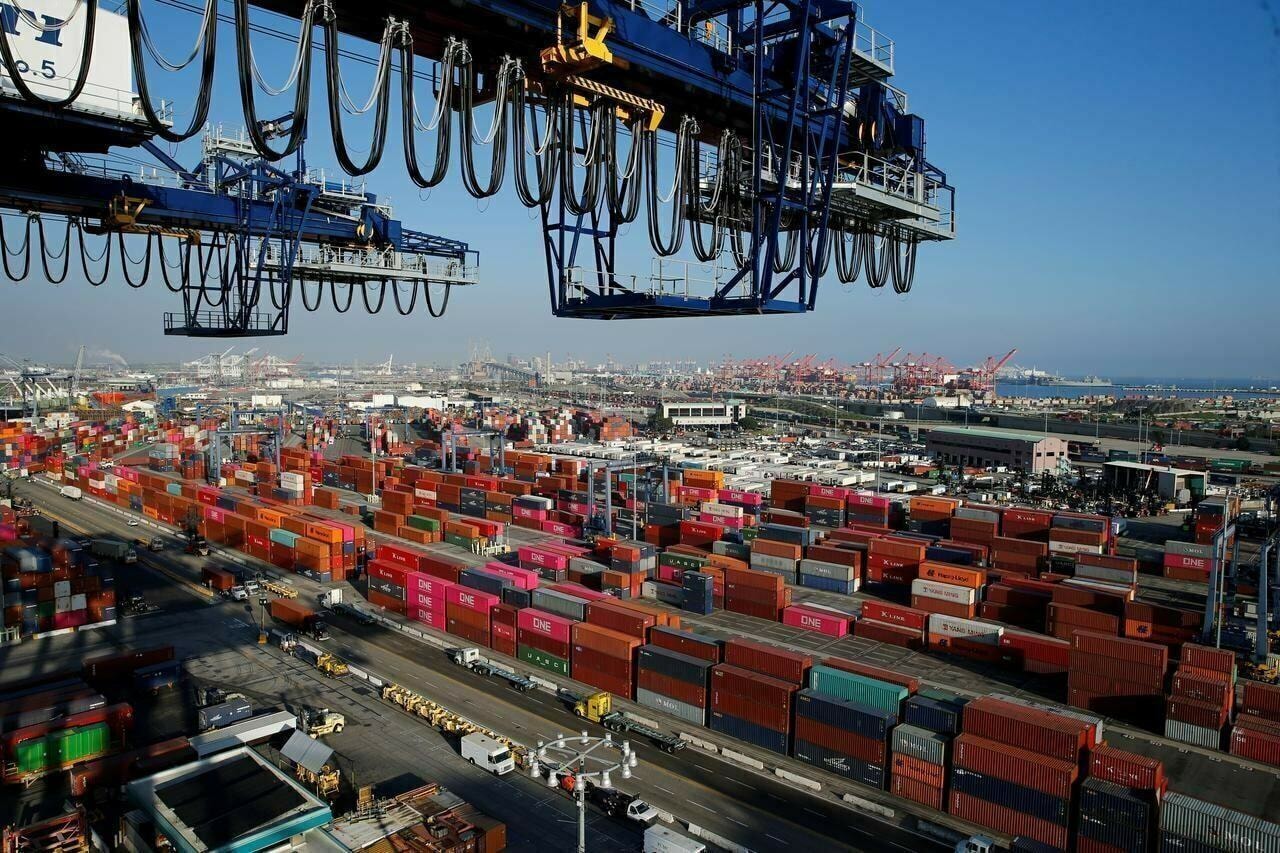
According to the report, the illicit trade is particularly concentrated in Karachi, our key port city, where over 650 containers of smuggled gutka are reportedly entering the market every month. This figure not only reflects the sheer scale of the trade but also highlights the systematic bypassing of multiple regulatory and security checkpoints.
Surprisingly, the smuggling does not appear to involve any sophisticated or covert methods. As one trade policy official aptly stated, “This isn’t about sophisticated smuggling techniques or hidden operations; this is about bulk smuggling happening particularly in a port city with apparent official facilitation.”
In other words, this is not the work of isolated criminal networks but a highly organised operation that appears to enjoy protection or facilitation at various levels of the customs department. Our report points to manipulation of import documents, weak enforcement mechanisms, and a culture of impunity within the regulatory system.
It is implausible that hundreds of containers could pass through Karachi’s port without raising alarms—unless there is wilful ignorance or direct involvement of those entrusted with upholding the law. This scenario strongly suggests a deeply entrenched nexus of corruption, involving senior customs officials who enable and sustain this illegal trade.
The implications are twofold: economic and public health. The smuggling of gutka robs the national exchequer of tens of billions of rupees in potential revenue. But more critically, it perpetuates the availability of a substance that is not only habit-forming but proven to cause mouth cancer, and other severe health conditions. Its easy accessibility across markets, particularly in Karachi, despite being banned in many parts of the country, is a damning indictment of regulatory failure.
This situation demands urgent and resolute action. Authorities must implement stricter enforcement of customs laws, ensure real-time tracking and verification of shipping documents, and initiate thorough investigations into officials suspected of facilitating smuggling.
Furthermore, anti-corruption agencies must step up efforts to dismantle the networks enabling this trade, no matter how high up the chain complicity goes. Without meaningful accountability and transparent oversight, this illegal trade will continue to flourish—at the cost of both public health and the national economy. The gutka crisis is not merely a smuggling issue; it is a test of the state’s resolve to enforce its laws and protect its citizens from the double threat of corruption and carcinogens.
Copyright Business Recorder, 2025

























Comments
Comments are closed for this article.