


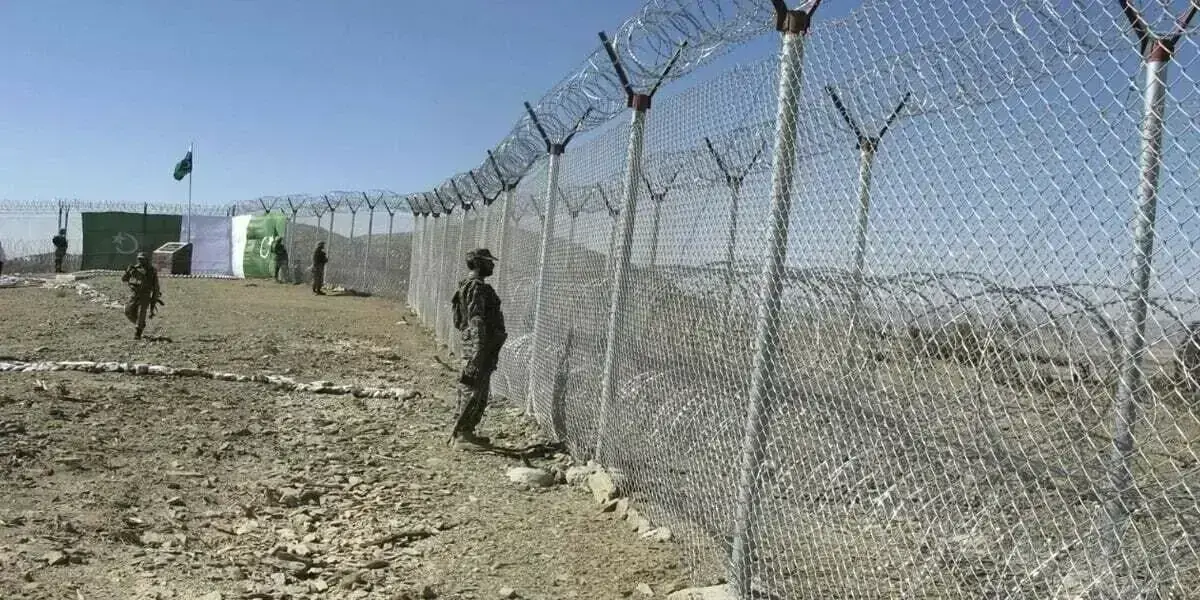
EDITORIAL: Pakistan and Afghanistan have reached an immediate ceasefire agreement in the meeting mediated by Qatar and Turkiye held in Doha. The past few days had witnessed a sharp and dangerous escalation in tensions between Pakistan and the Taliban regime in Kabul, driven by a surge in cross-border attacks carried out by Tehreek-e-Taliban Pakistan (TTP) militants.
The situation reached a flashpoint on October 9, when Pakistan—exercising its right to self-defence—launched precision strikes on TTP hideouts located within Afghan territory. These were followed by intense border clashes, during which Pakistani forces overran several Afghan border posts, resulting in the deaths of approximately 200 Afghan fighters; 23 Pakistani soldiers were also martyred in the confrontation.
The renewed TTP insurgency has placed an enormous strain on Pakistan’s security forces. According to the Islamabad-based Centre for Research and Security Studies (CRSS), fatalities in the first nine months of 2025 are nearly equal to the total recorded throughout 2024—a deeply alarming trend. For Islamabad, the continued freedom with which the TTP operates from Afghan soil is a direct challenge to Pakistan’s national security.
Given the context, Pakistan’s military response was neither impulsive nor disproportionate. Rather, it marked a decisive shift in policy—an indication that Islamabad’s patience has run out.
The scale and scope of operations, which reportedly targeted militant camps in Kabul, Kandahar, and Spin Boldak following an Afghan assault on the Chaman border post, underline Pakistan’s growing resolve to counter the TTP threats at its source. The message is clear: the use of Afghan territory as a sanctuary for anti-Pakistan terrorism will no longer be tolerated.
The ‘temporary’ ceasefire that followed—brokered by Qatar at the Taliban’s request and with Pakistan’s agreement—offers an important opportunity for de-escalation and diplomacy. Both sides have expressed willingness to pursue what Pakistan’s Foreign Office aptly described as a “complex but solvable issue.” However, progress will require meaningful action. It will demand verifiable steps by the Taliban regime to dismantle TTP networks using Afghan soil for cross-border attacks.
Regrettably, the Taliban regime’s record thus far offers little reassurance. Their reluctance to act against the TTP appears to stem from both ideological affinity and limited state capacity. In a revealing episode disclosed by Defence Minister Khawaja Asif during a recent television talk show, at one point the Taliban had offered to relocate TTP militants away from the border in exchange for Rs 10 billion. The proposal was readily accepted by Pakistan, but the Taliban later withdrew the demand.
The incident is reflective of weak control amidst factional divisions within the Taliban’s own ranks, and also a distressing lack of seriousness in addressing Pakistan’s core security concerns.
Going forward, influential regional stakeholders —particularly Qatar and Saudi Arabia — must play a more active role in pressing the Taliban to honour their responsibilities. Mediation efforts must be anchored in results, not rhetoric. Pakistan has demonstrated its willingness to respond with force when necessary. The onus success of the agreement reached is now squarely on Kabul to prove that it can, and will, prevent TTP militants from jeopardising regional peace and stability.
Copyright Business Recorder, 2025

























Comments
Comments are closed for this article.