


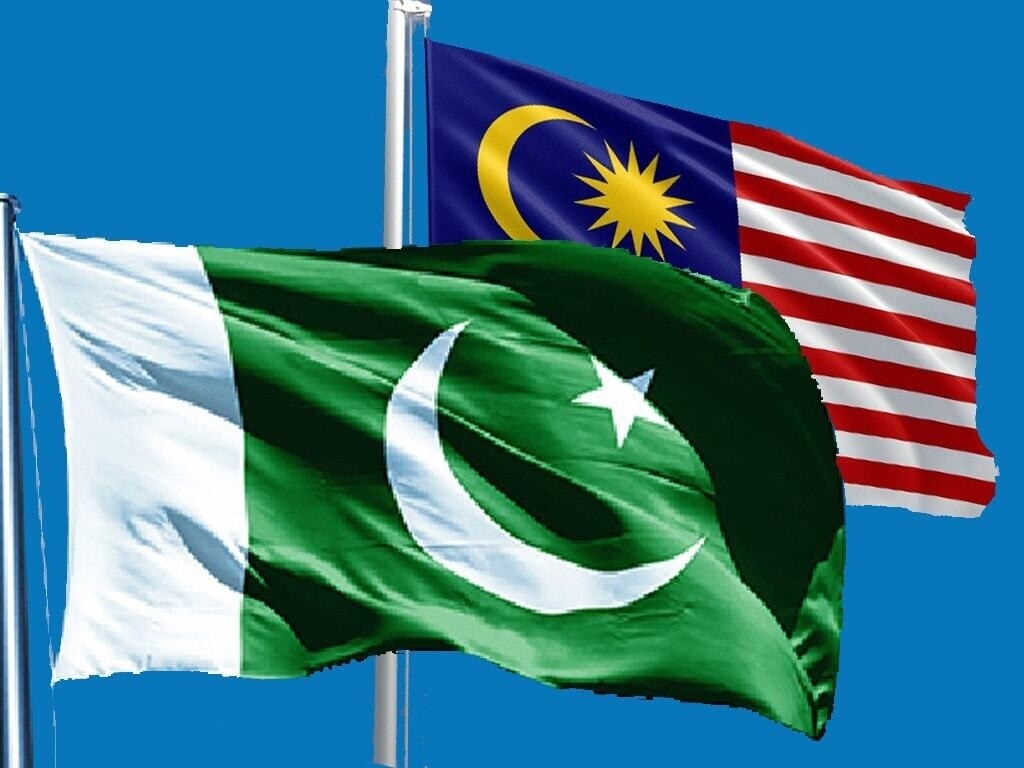
EDITORIAL: Pakistan’s relationship with Malaysia has long carried a quiet depth that goes beyond diplomatic ceremony. Both nations, bound by shared faith and developmental aspirations, have found in each other a reliable partner amid a shifting global order.
The Malaysian announcement to import $200 million worth of Halal meat from Pakistan, alongside commitments to expand cooperation in trade, education and governance, marks a step towards consolidating a relationship built on pragmatism and trust.
Yet even as the agreement signals confidence, it also highlights Pakistan’s persistent struggle to maintain credibility in sectors where it should already be competitive.
That Malaysia is willing to entrust such a large import quota to Pakistan is not trivial. It reflects confidence in Pakistani producers and the regulatory assurances provided at the highest political level. For a country in search of stable export earnings and reputation within the Halal economy, this is a valuable endorsement.
It also fits within Malaysia’s broader effort to diversify its Halal supply chain while deepening ties with Muslim economies that share its development ethos. Pakistan’s willingness to learn from Malaysia’s expertise in vocational education, IT and agribusiness, if pursued with discipline, could evolve into a model of South–South collaboration grounded in capacity-building rather than dependency.
However, this progress must not obscure a long-standing weakness. Pakistan has repeatedly underperformed in global Halal markets not because of lack of opportunity, but because of structural neglect. Continuous crossbreeding has eroded the traceability of livestock pedigrees, making it difficult to certify provenance to the rigorous standards demanded by major importing countries; especially the world’s largest Halal meat market, which is the Euro area.
In a sector where documentation and verification underpin brand integrity, Pakistan’s inability to maintain consistent genetic records undermines both its credibility and export potential. The result is paradoxical: a country with one of the world’s largest livestock populations struggles to penetrate the largest Halal import markets.
Malaysia’s decision, therefore, should serve as both encouragement and warning. Encouragement, because it shows that with political will and technical coordination, Pakistani exports can win international acceptance. Warning, because sustained access will depend on regulatory discipline rather than diplomacy alone.
Halal certification is no longer a mere religious label; it is a high-value global compliance industry governed by science, traceability and standardisation. Unless Pakistan builds institutional capacity to ensure verifiable supply chains from farm to export, its foothold in this market will remain precarious.
Beyond trade, the visit also underscores a maturing political relationship. Prime Minister Shehbaz Sharif’s emphasis on joint ventures, vocational cooperation and academic exchanges demonstrates a pragmatic appreciation of Malaysia’s developmental journey. Kuala Lumpur’s receptiveness to this approach – mirrored in its support for Pakistan’s stance on Gaza and its recognition of the need for peace in South Asia – adds a strategic dimension to a partnership that has often been overshadowed by Pakistan’s relations with the Gulf. Malaysia, with its balanced diplomacy and strong governance frameworks, offers lessons in institutional discipline that Pakistan must internalise if it hopes to turn goodwill into sustainable growth.
For Pakistan, the test now lies in implementation. Regulatory compliance, transparent certification, and credible monitoring mechanisms must follow the political commitments made in Putrajaya. Only then will the promised “quantum leap” in Halal exports translate into tangible economic benefit. The broader relationship with Malaysia deserves to be nurtured on similar principles: shared respect, mutual learning, and a focus on results rather than rhetoric.
The two nations have often spoken of cooperation in brotherly terms; this is the moment to convert sentiment into systems. Pakistan’s ability to meet its commitments will determine whether this partnership becomes a case study in pragmatic diplomacy or another missed opportunity. The groundwork has been laid for a relationship of substance – what remains is to ensure that it delivers enduring value, not just symbolic gestures.
Copyright Business Recorder, 2025




















Comments
Comments are closed for this article.