



KARACHI: Pakistan’s housing affordability index has dropped to 0.4 from 0.5, reflecting worsening affordability amid rising property prices, higher mortgage rates, and an increasing shortage of housing units, according to the latest data from the World Population Review.
The report places Pakistan below neighboring countries, with Bangladesh’s affordability index standing at 0.7 and India’s at 0.8.
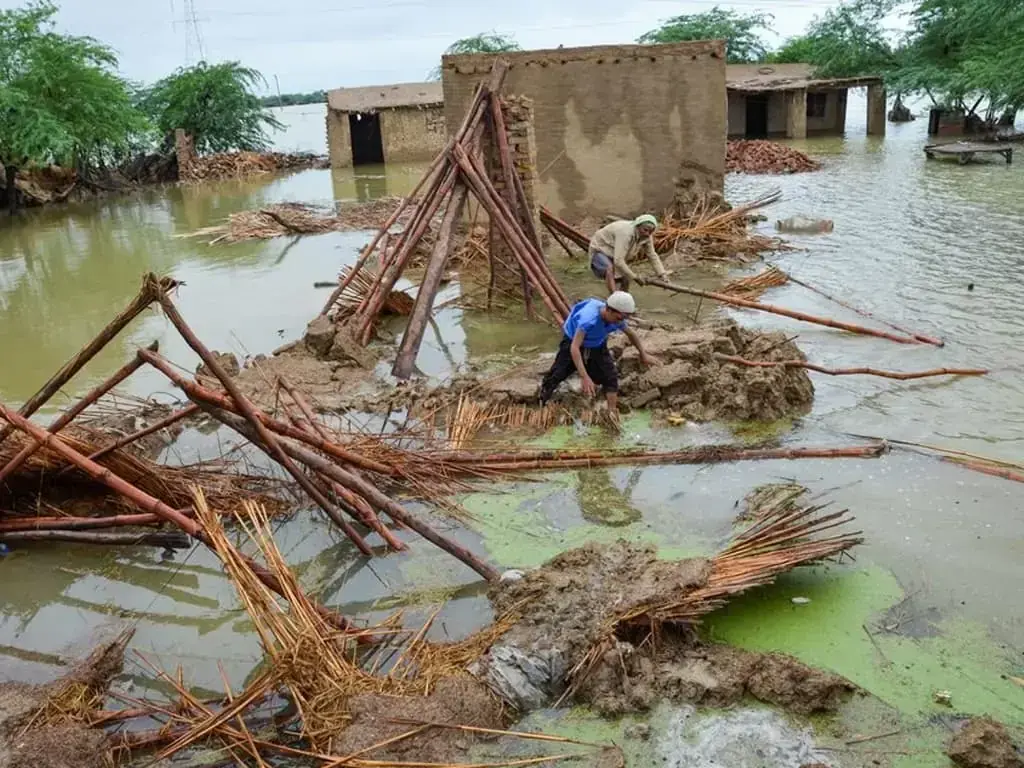
According to the World Bank, Pakistan faces a housing shortfall of around 12 million units. Recent floods across northern regions, Khyber Pakhtunkhwa, and Punjab have displaced more than 2.5 million people and destroyed thousands of homes and businesses, further deepening the crisis for low-income families struggling to secure shelter.
Pakistan Planning ministry estimates flood losses at Rs822bn in 2025
Experts warn that the widening housing gap poses a serious challenge to social stability and economic growth. They emphasise the need for region-specific strategies combining income support, housing finance reforms, and sustainable urban planning to improve affordability nationwide.
“The eroding purchasing power of the population and the high cost of land and construction have made home ownership impossible for millions of Pakistanis,” said Ibrahim Amin, Chairman of TriStar International, a real estate valuation and engineering firm.
He urged the government to develop new cities in safer areas less prone to natural disasters and floods to mitigate urban congestion and improve access to affordable housing. “This would not only address the affordability issue but also help control unplanned urbanization,” he added.
Amin also recommended that the government and private sector, including banks and construction companies, launch a large-scale, low-cost housing programme near the China-Pakistan Economic Corridor (CPEC) routes or industrial zones to create both housing and employment opportunities.
He further suggested adopting international housing development models tailored to Pakistan’s climate challenges and citizens’ affordability levels.
The State Bank of Pakistan (SBP) recently introduced a subsidised markup scheme under the Mera Ghar Mera Ashiana programme, offering financing of up to Rs3.5 million at a maximum interest rate of 8%. Earlier, the Punjab government had launched a zero-markup initiative for low-income groups.
Real estate developer Monis Ikhlas welcomed the initiative but noted that it targets a limited segment of the rural population. “The government should raise the financing limit to Rs10 million to attract middle-income earners, entrepreneurs, and overseas Pakistanis in urban areas,” he said.
He added that a broader financing policy could not only bridge the housing deficit but also boost the affordability index and stimulate growth in the construction and allied industries.
“If the number of homebuyers increases, it will attract foreign direct investment in the real estate and construction sectors while generating thousands of jobs across multiple industries,” Ikhlas maintained.




















Comments
Comments are closed for this article.