


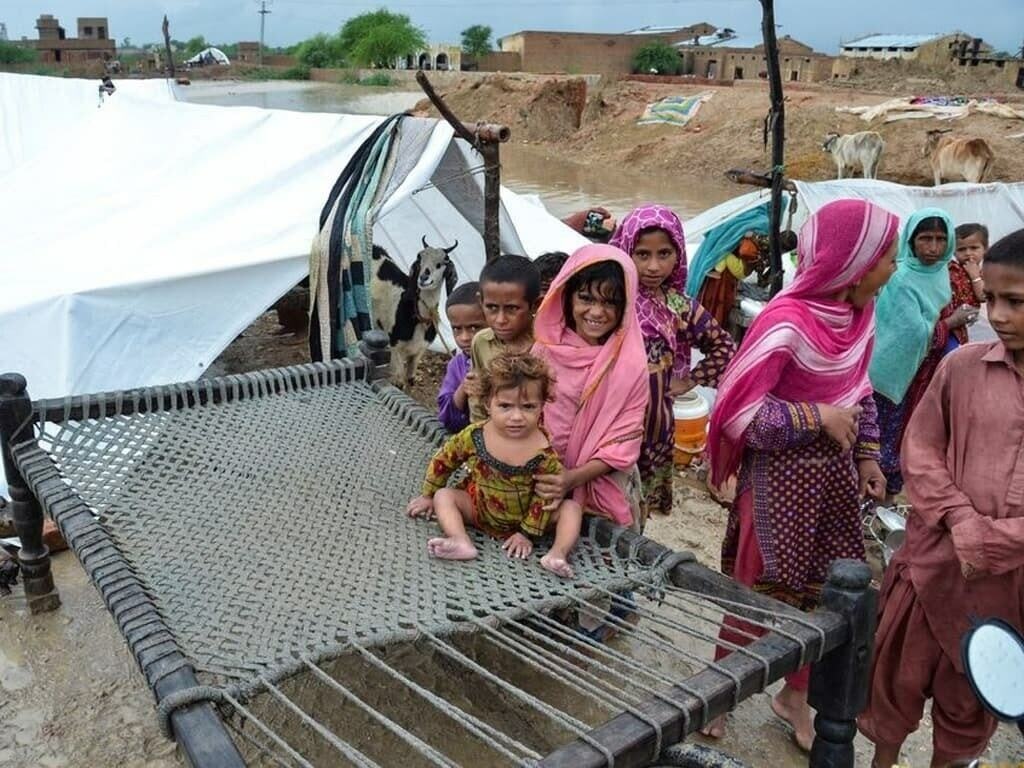

Pakistan is facing a turning point in its fight against poverty. After years of steady progress, the number of people living in poverty is rising again. According to the World Bank’s 2025 Poverty, Equity, and Resilience Assessment, poverty fell from 64.3 percent in 2001 to 21.9 percent in 2018 but has now climbed back to about 25.3 percent.
This is not only because of shocks like COVID-19, floods, or inflation. It reflects how fragile the country’s economic structure has become.
For years, Pakistan’s poverty reduction depended on informal sector jobs and remittances sent home by workers abroad. These provided some short-term relief but didn’t create lasting economic strength. People rose just above the poverty line, but when the economy slowed or a shock hit, they fell back into poverty. Wages in the sectors where most of the poor work have barely grown, and the economy itself has not become more productive. Growth remains weak, volatile, and mostly driven by consumption rather than investment or exports.
This economic weakness is made worse by poor human development. Nearly 40 percent of children are stunted. One in four children of primary school age is out of school, and most 10-year-olds can’t read a simple story. Many households lack access to clean water and sanitation. These are not just social problems — they are economic barriers. A country cannot grow or compete with a workforce that is poorly educated and unhealthy.
The report also shows that inequality is deep and persistent. Rural poverty is more than double urban poverty, and provinces like Balochistan are far behind. Many of the poorest districts have been poor for decades. Urbanization, which often brings economic opportunity, has not helped here because cities are poorly managed and lack infrastructure.
Fiscal policy, instead of solving these problems, often makes them worse. Most taxes are indirect, hitting the poor harder. Subsidies mainly benefit the rich. Social protection programs like BISP help narrow the poverty gap but do not bring large numbers out of poverty. At the same time, climate change is making everything worse. The 2022 floods pushed millions into hardship and showed how vulnerable the economy really is.
The World Bank suggests four broad actions: invest in people and places, build better social protection, make fiscal policy fairer, and use better data to make decisions. But these ideas are not new. The real problem is not lack of solutions, but lack of political will to carry them out. Elite interests, weak governance, and short-term thinking have held reforms back for years.
Pakistan now faces an obvious choice. It can rebuild its economy on stronger foundations — focused on productivity, inclusion, and resilience — or continue to drift and lose the gains it once made. Poverty cannot be fought with quick fixes and safety nets alone. It will take structural change and political courage to reclaim momentum toward prosperity.
Copyright Business Recorder, 2025




















Comments
Comments are closed for this article.