



NEW YORK: US natural gas futures eased about 1 percent to a two-week low on ample amounts of fuel in storage and forecasts for milder weather than previously expected over the next two weeks that should keep heating and cooling demand low.
Front-month gas futures for November delivery on the New York Mercantile Exchange fell 3.0 cents, or 1.0 percent, to USD3.076 per million British thermal units (mmBtu), putting the contract on track for its lowest close since September 26 for a second day in a row.
Looking forward, the market is showing signs that traders are not worried about having enough gas supplies in storage for the winter, with the premium of futures for March over April 2026 on track to fall to a record low of around 9 cents per mmBtu.
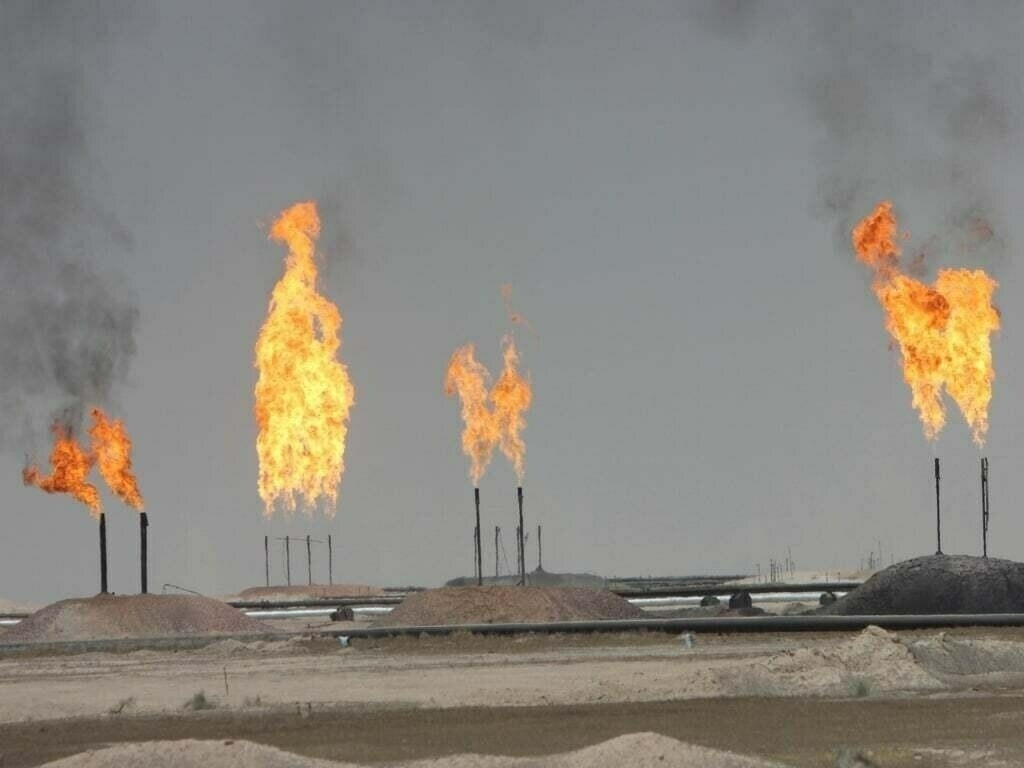
In the cash market, average prices at the Waha Hub in the Permian Shale in West Texas fell back into negative territory for an eighth time this month as ongoing pipeline maintenance, like work on Kinder Morgan’s KMI.N Permian Highway, trapped gas in the nation’s biggest oil-producing basin.
That was the 21st time Waha prices have dropped below zero so far this year and compares with an average of USD1.38 per mmBtu so far in 2025, 77 cents in 2024, and USD2.91 over the previous five years (2019-2023).
Waha first averaged below zero in 2019. It happened 17 times in 2019, six times in 2020, once in 2023, and a record 49 times in 2024.
Financial firm LSEG said average gas output in the Lower 48 states fell to 106.4 billion cubic feet per day so far in October, down from 107.4 bcfd in September and a record monthly high of 108.0 bcfd in August. Record output earlier this year allowed energy companies to inject more gas into storage than usual. There is currently about 4 percent more gas in storage than normal for this time of year.
Meteorologists forecast the weather will remain mostly warmer than normal through October 28.
That late-season warmth should reduce gas demand by cutting the amount of fuel used to heat homes and businesses by more than it boosts the amount of fuel that power generators burn to keep air conditioners humming. About 40 percent of the power produced in the US comes from burning gas.
LSEG projected average gas demand in the Lower 48 states, including exports, would rise from 99.7 bcfd this week to 100.9 bcfd next week. Those forecasts were lower than LSEG’s outlook on Friday. The average amount of gas flowing to the eight big US LNG export plants rose to 16.3 bcfd so far in October, up from 15.7 bcfd in September and a monthly record high of 16.0 bcfd in April.
On a daily basis, LNG export feedgas rose to a six-month high of 17.0 bcfd on Sunday after Berkshire Hathaway Energy’s 0.8-bcfd Cove Point plant in Maryland exited a planned maintenance outage.
























Comments
Comments are closed for this article.