


EDITORIAL: Even after weeks of fiery exchanges between the leaderships of the PML-N and the PPP, the rift between the two ruling parties shows no signs of abating.
What could have been brushed aside as a minor disagreement when it first started — over the method of distributing flood relief — has continued to intensify as time has passed, and has now turned into a full-blown political standoff, casting doubts on the coalition government’s stability and stalling parliamentary proceedings.
In recent days, tensions have peaked, with PPP lawmakers walking out of the National Assembly and Senate — forcing adjournments — in protest against the combative remarks of Punjab Chief Minister Maryam Nawaz and her cabinet members.
To recap, the PPP’s exhortation to channel flood relief through the Benazir Income Support Programme (BISP) — which it had, one must say, reasonably argued had effectively reached vulnerable communities in the past — was seen by the PML-N government in Punjab as unwarranted interference in its affairs.
The PML-N’s subsequent accusations of the PPP exploiting the flood tragedy for political gain inevitably drew a sharp rebuttal, and matters escalated when the Punjab chief minister reignited debate over the controversial canal project — an issue that had only months earlier triggered large-scale protests in Sindh when highway blockades had disrupted agriculture and industry nationwide — heightening political temperatures once again.
That fresh bickering has resurfaced months after the last standoff speaks volumes about the basic fragility that lies at the heart of this coalition and the failure to build mutual trust or establish mechanisms for resolving contentious issues between the parties.
Now, President Asif Ali Zardari’s decision to enlist Interior Minister Mohsin Naqvi to mediate between the two allies and a meeting by the high-level PML-N team with him in Nawabshah underscores how precarious the situation has become that it requires the intervention of the powerful quarters the minister is perceived to represent.
The fact is that coalitions cannot function amidst constant public feuds. With the PML-N holding the premiership, most federal portfolios and power in the largest province, it must recognise that it bears the greater responsibility to exercise restraint, demonstrate political maturity and take the initiative to de-escalate matters.
While it can be reasonably argued that the PPP could have framed its proposal regarding aid distribution more diplomatically, the PML-N’s belligerent response, reeking of provincialism, was both unnecessary and damaging. This, in fact, exposed a long-standing intolerance for dissenting opinions and differing perspectives within its ranks.
What could have been resolved quietly through dialogue has been inflamed by ego and posturing from both sides, deepening mistrust and stirring inter-provincial resentment.
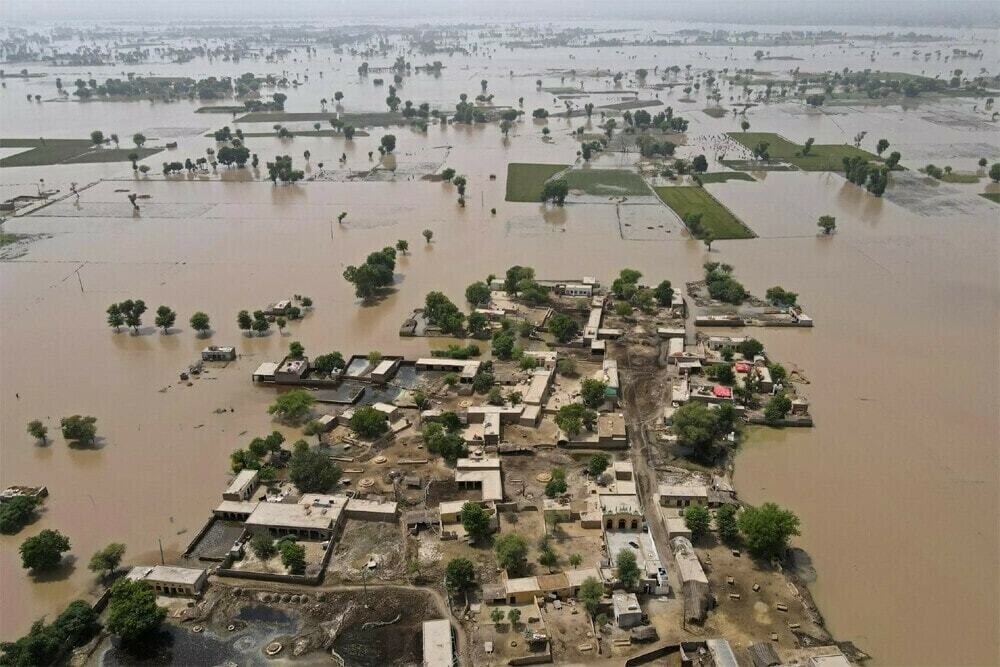
Pakistan faces formidable challenges: a fragile economy, resurgent militancy, escalating tensions on the eastern border and devastation from the recent floods. In such circumstances, political instability is a luxury the country cannot afford. It is a tragedy that the floods, instead of inspiring unity and compassion, have ended up becoming a source of discord.
While the PPP must share responsibility for the current impasse, the PML-N, as the senior partner, must also lead with patience and humility. Prime Minister Shehbaz Sharif needs to become more proactive in dousing tensions and restoring cooperation within the coalition.
For Chief Minister Maryam Nawaz, this is a defining test of leadership. Now in her second year in office, she must recognise that steering the fortunes of millions demands composure, inclusivity and an ability to rise above partisan impulses, especially if she harbours ambitions for higher office.
At a time when Pakistan is beset by numerous mounting challenges, maintaining political stability and a spirit of cooperation are essential. Both parties must step back, cool tempers and establish a structured mechanism to resolve disputes quietly and constructively before political friction once again leads to a national crisis.
Copyright Business Recorder, 2025




















Comments
Comments are closed for this article.