


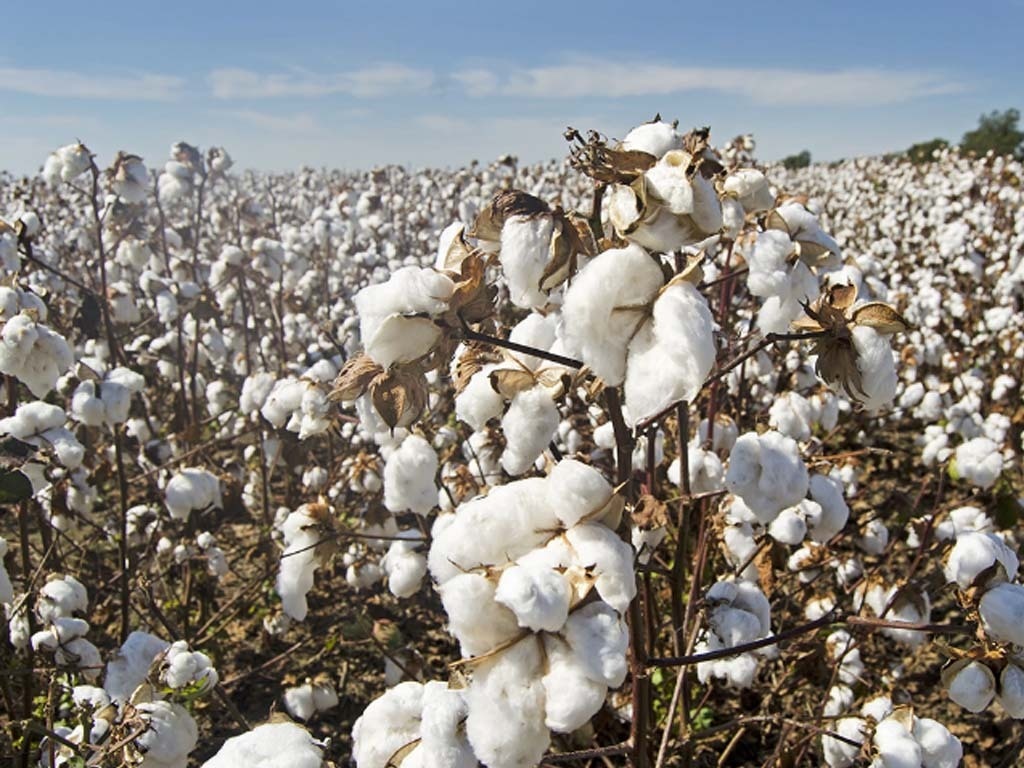

LAHORE: The latest report of the Pakistan Cotton Ginners Association (PCGA) indicates that by September 30, 2025, cotton arrivals have been significantly higher compared to last year, reflecting improved production trends this season. Nationwide, a total of 3,044,409 bales have been recorded during this period, compared to 2,039,983 bales last year, showing an increase of almost 49 percent.
Speaking to Business Recorder, Sajid Mahmood, Head of the Technology Transfer Department at the Central Cotton Research Institute, Multan, said, “It is worth noting that at the beginning of the season, there were concerns about lower production, but the latest figures have dispelled those apprehensions. With changing conditions, the crop has improved, and future production prospects are moving in a positive direction.”
According to the PCGA report, cotton arrivals in Punjab stood at 1,136,439 bales, which is 56 percent higher compared to last year, while Sindh recorded 1,907,970 bales, showing an increase of 45 percent. Balochistan also contributed 112,900 bales, reflecting balanced progress in all major cotton-producing regions.
On the export front, the situation has also remained encouraging. During this period, 94,800 bales were exported, compared to only 400 bales last year—an exceptional increase. Similarly, textile mills have so far received 2,409,678 bales, about 30 percent more than last year. Sajid Mahmood noted that current stocks stand at 539,931 bales, which is more than three times higher compared to last year. This indicates that not only domestic needs are being met, but export opportunities are also expanding.
He added that in just the past 15 days, 1,040,000 bales have arrived, which is 72 percent higher than the corresponding period last year. This accelerated inflow has also boosted ginning activity across the country, where 501 ginning factories are currently operational compared to 392 last year. The largest increase has been observed in Punjab, where 265 factories are now active.
According to Sajid Mahmood, so far around 3 million bales have reached the ginneries, out of which 2.5 million have been registered as sold, while nearly 1.2 million bales remain in warehouses. This suggests that half of the crop has already reached the market while the other half is still in the fields. Therefore, it is estimated that Pakistan’s total cotton production this year may reach 8.5 to 9 million bales. This forecast is not only good news for the national economy but also encouraging for both the agriculture and industrial sectors.
While commenting on challenges, he said that despite floods, water shortages, and heavy rains causing damage in Sindh and Punjab, the overall situation remains positive. “Heatwaves, unusual rains, and floods inflicted heavy damage in several districts of South Punjab. In Punjab alone, 162,000 acres were affected, while in Sindh 57,552 acres of cotton were damaged,” he explained.
According to Sajid Mahmood, the Cotton Leaf Curl Virus (CLCV) also caused significant damage in both provinces, although other pest attacks remained limited. “At the beginning of the season, high temperatures caused fruit shedding, but later fruit retention improved compared to last year. Plant height remained short and boll size limited, mainly due to the spread of CLCV, which was observed with greater intensity during August and September. However, the germination rate remained around 70 percent, which is a positive aspect,” he concluded.
Copyright Business Recorder, 2025




















Comments
Comments are closed for this article.