


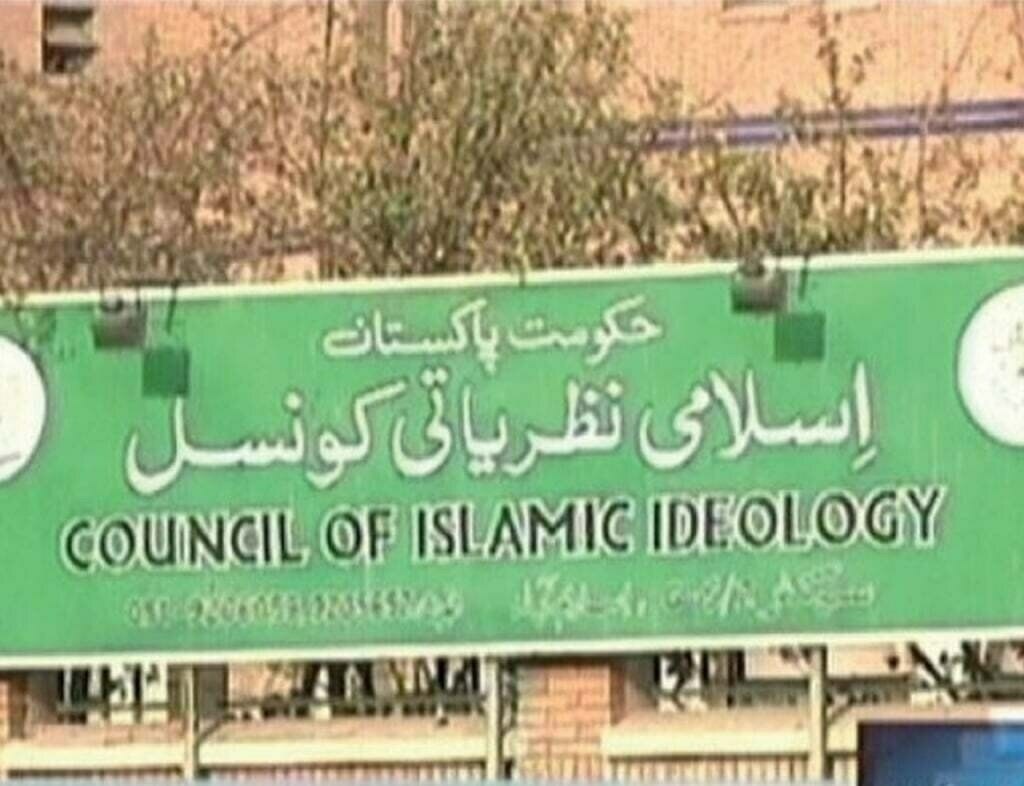
EDITORIAL: The recent ruling by the Council of Islamic Ideology (CII) allowing the establishment of human milk banks in Pakistan—provided they operate under strict conditions and are governed by clear legislation—is a timely and much-needed development. The decision strikes a careful and commendable balance between Islamic principles and the urgent healthcare needs of premature and critically ill newborns.
The issue was brought before the CII after the Sindh government’s pioneering initiative to establish the country’s first human milk bank in 2023—launched by the Sindh Institute of Child Health and Neonatology in collaboration with UNICEF—faced backlash from religious groups. In that context, the CII’s ruling that milk banks are “permissible in principle” is both significant and encouraging. It reflects a pragmatic and evolving approach to reconciling faith with medical science.
While the milk bank was introduced with the noble aim of providing life-saving nutrition to infants whose mothers were unable to breastfeed or had passed away, it was suspended due to concerns surrounding the Islamic concept of radaa’ah (fosterage). Under Islamic law, biological and foster children who are breastfed by the same woman are considered milk siblings and are prohibited from marrying each other.
This raises genuine concerns about lineage and the risk of unknowingly entering into forbidden marital relationships. In this regard, the CII’s emphasis on the need for clear, comprehensive legislation makes eminent sense. By advocating for legal mechanisms to ensure transparency and traceability—such as maintaining detailed donor records, proper documentation of recipients, and secure data management—the CII has laid the foundation for a system that is ethically sound and religiously compliant.
Moreover, the Council’s insistence on being directly involved in drafting and vetting the relevant laws is prudent. This will help ensure that any legal framework is fully aligned with Shariah principles, thus fostering public trust and reducing resistance from religious quarters.
The ruling has been warmly welcomed by the Pakistan Paediatric Association and UNICEF, both of which have highlighted its potential to save thousands of vulnerable infants. In many parts of Pakistan, formula milk is either unaffordable or unhygienic, making breast milk the safest and most effective form of nourishment for at-risk newborns.
The CII has taken a forward-looking and responsible stance that acknowledges the realities of modern healthcare while remaining firmly rooted in Islamic ethics. It is now up to the government and relevant stakeholders to work in collaboration to draft and implement a robust legal framework that allows milk banks to function safely, ethically, and in accordance with religious values.
If handled with care and foresight, this initiative could serve as a model for other Muslim-majority countries grappling with similar challenges, proving that faith and science can work together in the service of life and well-being.
Copyright Business Recorder, 2025




















Comments
Comments are closed for this article.