


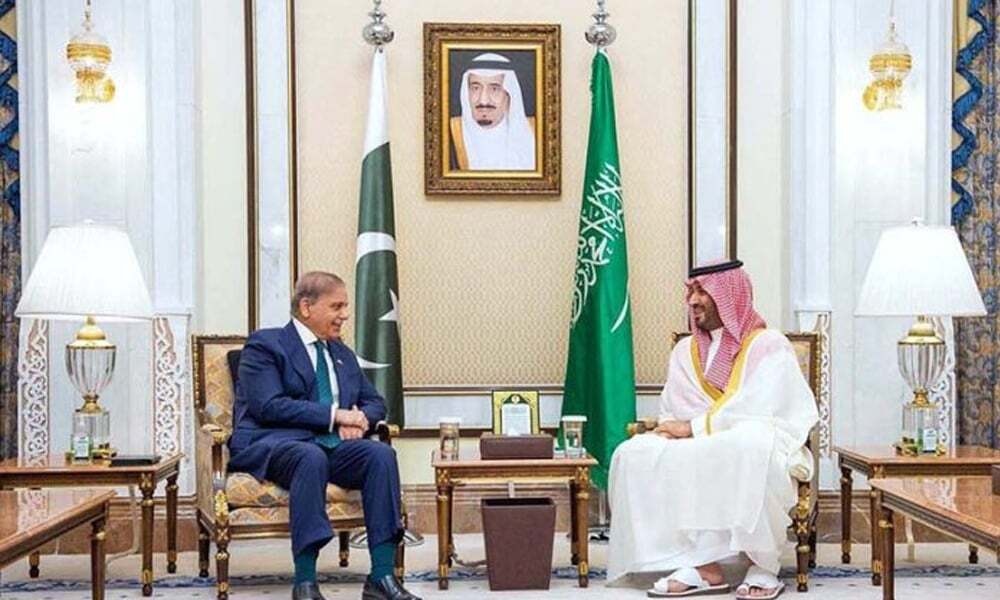

Pakistan’s new defence pact with Saudi Arabia is more than a symbolic extension of longstanding ties. It is a framework that can transform decades of informal cooperation into structured financial stability, industrial growth and technological progress. For Islamabad, the challenge is to treat this not as a routine military arrangement but as a strategic framework that redefines Pakistan’s role in the Gulf.
At the most immediate level, the agreement provides predictability. For years, Pakistani troops, trainers and advisers have served in Saudi Arabia, often under informal or temporary understandings. By embedding these roles in a formal framework, Pakistan gains the ability to secure steady compensation and financial flows. In a period where the State Bank’s reserves remain under pressure and external financing is tight, this shift from ad hoc support to structured inflows creates stability. It ensures that deployments which were once framed purely as goodwill now generate visible and reliable economic benefit.
The opportunity also lies in industrial collaboration. Saudi Arabia’s Vision 2030 is investing heavily in defence localisation. The kingdom wants to build its own capacity to produce, assemble and maintain weapons systems rather than rely exclusively on imports from the United States and Europe.
Pakistan already has experience in areas such as tank production, fighter aircraft upgrades, small arms and naval construction. By aligning itself with Riyadh’s localisation drive, Islamabad can position its defence industry as a trusted partner. Joint facilities, co-production ventures and shared research centres could attract Gulf capital into Pakistan’s defence sector, expanding exports while creating high-value jobs at home.
Technology is the decisive layer that could make this framework transformative. Modern defence is no longer defined only by traditional hardware such as tanks or fighter jets. It rests increasingly on secure communications, satellite surveillance, cyber resilience, electronic warfare and digitised logistics.
These are domains where Pakistan’s growing IT talent base and telecom expertise can add genuine value. A new phase of partnership could see Pakistani engineers and Gulf investors co-develop secure command platforms that are cloud-native, regionally owned and less vulnerable to outside pressure. Instead of being seen only as a manpower supplier, Pakistan would be positioned as a systems integrator at the centre of Gulf defence modernisation.
From the feedback I have come across, the Saudis were not unwilling to invest in Pakistan. Their hesitation came from what they saw on our side. Instead of detailed proposals with clarity on returns, what reached them were broad sectoral pitches such as invest in mining or invest in technology without the kind of depth that decision-makers expect. The impression I have gathered is that at the highest levels the response has been consistent.
Pakistan often asks for investment but does not present a clear plan of what exactly is on offer. If this new framework is to translate into capital, Islamabad must change that perception with serious and well-prepared proposals. It would not hurt to engage both local and global subject matter experts to design such plans, ensuring they meet international standards while reflecting Pakistan’s own strengths.
The credibility of this framework will depend on clarity, discipline and restraint. Pakistan must frame its role as contributing to stability and deterrence. That is what will reassure partners and keep the relationship strong.
Handled with foresight, the pact can reset Pakistan’s position in the Gulf. The benefits are not confined to immediate financial inflows or troop deployments. They extend to industrial growth, technology partnerships and structured investment.
For a country that has too often lived from crisis to crisis, this agreement offers a rare opportunity to transform long-standing commitments into strategic advantage and national gain.
Pakistan now has the chance to present itself not as a reactive partner but as a forward-looking state that can help shape Gulf security in the decades ahead. That means negotiating smartly, setting boundaries clearly and using the framework to deliver not only short-term relief but also long-term economic and technological transformation. If Islamabad can achieve that, this pact will be remembered not just as a defence agreement but as a milestone in Pakistan’s journey from security provider to strategic partner.
Copyright Business Recorder, 2025























Comments
Comments are closed for this article.