



America was once the undisputed school of the world in science, technology, and engineering, a nation where others came to learn and then carried its lessons home. From the mid-20th century until the late Cold War, American factories, laboratories, and shipyards symbolized the pinnacle of industrial might.
In 1950, the United States accounted for nearly 40 percent of global manufacturing output, its shipyards produced vessels at an unmatched pace, and its computing and aerospace industries led the world into the space age.
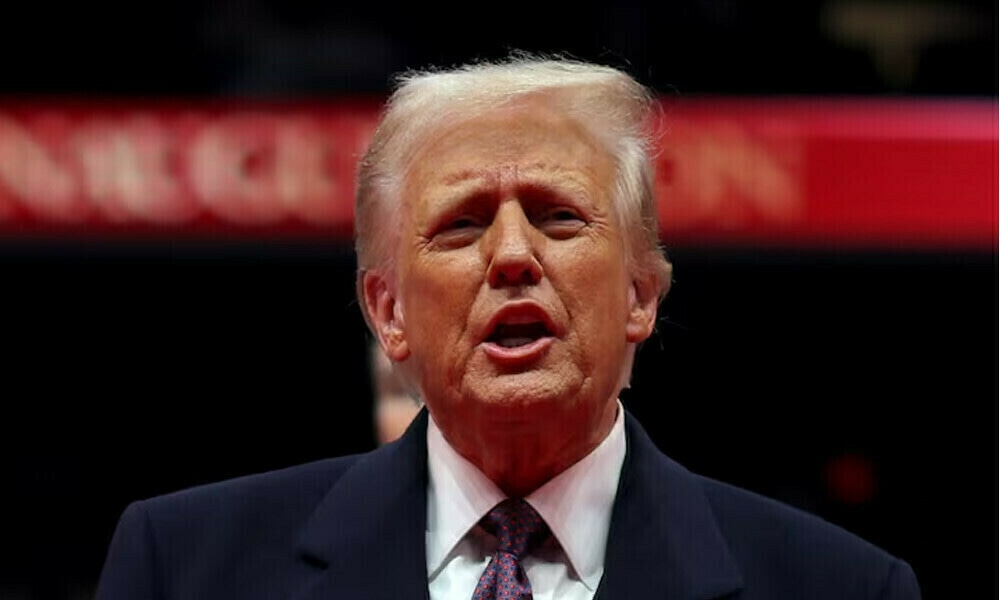
Yet in a recent post, President Donald Trump admitted what few American leaders have been willing to say aloud: that the United States has fallen behind in industries it once dominated, and that it must now invite foreign countries not only to invest but to send their experts to train Americans in high-tech manufacturing.
Trump’s statement may have seemed surprising, but it reflected a deeper reality. He specifically referred to sectors such as semiconductors, computers, electronics, shipbuilding, and trains—industries that define modern power but where America no longer holds supremacy.
The paradox is stark. In the 1940s, America built a ship a day; by 2023, it could barely complete a dozen large ships in a year. In the 1960s, Silicon Valley became the cradle of semiconductors, yet today the most advanced microchips are made in Taiwan and South Korea. Japan’s Shinkansen network moves millions at speeds America has never matched, while Germany and France supply high-speed rail across the globe. America, which once exported both products and expertise, now finds itself dependent on the very countries it once trained.
Copyright Business Recorder, 2025
The writer is a former Press Secretary to the President, An ex-Press Minister at Embassy of Pakistan to France, a former MD, SRBC Macomb, Detroit, Michigan
























Comments
Comments are closed for this article.