


Climate change should be priority area: Ishrat: ‘Water-food-energy nexus is responsible for environmental degradation in Pakistan’
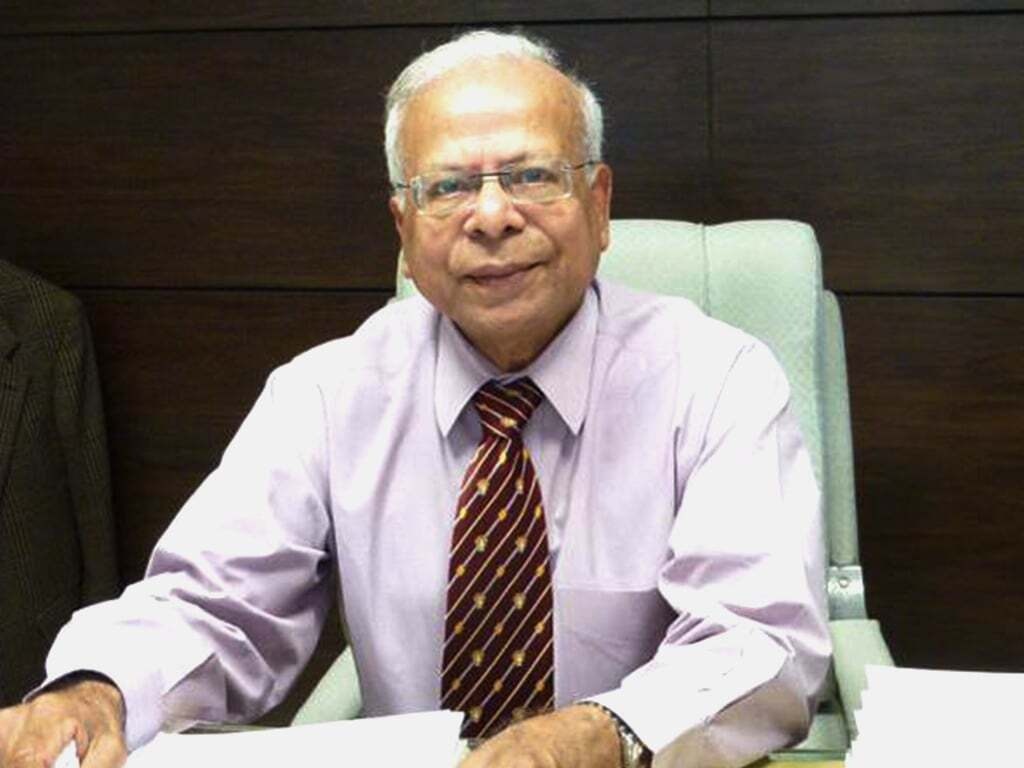

ISLAMABAD: Dr Ishrat Husain, former governor of the State Bank, has said that the Ministries of National Food Security & Research, Water Resources, and Climate Change hardly get the attention and resources they deserve, and, as a result, food security is now at stake because of floods and changes in the weather patterns.
He was speaking at the SDPI’s Policy Research Clinic, titled: “The Agenda for Policy Think Tanks in Pakistan” on Monday. Dr Ishrat, who is currently the Senior Advisor at Sustainable Development Policy Institute (SDPI), has said that the Water-Food-Energy nexus is responsible for environmental degradation in Pakistan, and climate change should be the priority area for every think tank, as it is a traditional security threat for the country.
He said that, unfortunately, after the 18th Amendment, many ministries, especially the agriculture ministry, are now provincial subjects. But so far, after the devolution of powers, provinces have done very little for food security and disaster management.
Over the years, he said, Pakistani policy intelligentsia, namely think tanks, have become dependent on donor agencies, and their increased reliance on donors has subdued their independence in choosing policy options, dropping their impact on policy makers, communities, and governments.
He stressed the need for adopting an out-of-the-box approach to guide, educate, and advocate for core policy issues of the nation, benefiting mutual growth, sustainability, and inclusive development.
He underlined that the youth have innovative and fresh ideas that should be encouraged to participate in research-related decisions by think tanks, alongside women’s perspectives, which are unique and poles apart from their male counterparts in research that should be promoted and encouraged.
Suggesting that the researchers appearing on national television should keep their narratives drenched in facts and evidence, he said: “Think Tanks in Pakistan should dedicate their efforts to ace data analytics for convincing research stories and narratives. Also, the think tanks working with international partners should closely work with their counterparts as team members to increase their capacity and knowledge.”
Commenting on the prevailing structure of the think tanks in Pakistan, he said they should focus on developing synergies among a diverse array of experts and focus on global issues impacting national interests, including geopolitical upheavals, AI, and technology advancement.
“China is leading global manufacturing of solar PVs and electric cars because it owns over three million robots with a 30 per cent share of global robot production,” he said.
Dr Ishrat Husain noted that think tanks should have worked on out-of-the-box ideas like impact of CPEC and the Green Energy boom on Pakistan’s national grid. He added that the “Policy Briefs” by think tanks used to help fill time lapses in connecting evidence with decision-making should be enhanced as a hallmark product.
He suggested that the think tanks working with donor agencies should work on modifying their project TORs as beneficial for Pakistan and serving national interests.
“Think tanks globally are recognized by their work and reputation in the field, which is essential. Moreover, the youth lamenting their exclusion from decision-making forums should equip themselves with skills, knowledge, and experience as only youth with proper knowledge and experience will be given importance by decision makers,” he noted.
For policy think tanks, he said, the local governments’ role is critical in ensuring policies have an impact at the grassroots level, and decisions like serving all basic amenities to the masses need to be highlighted for improved governance and public service through empowered local governments.
Copyright Business Recorder, 2025


























Comments
Comments are closed for this article.