


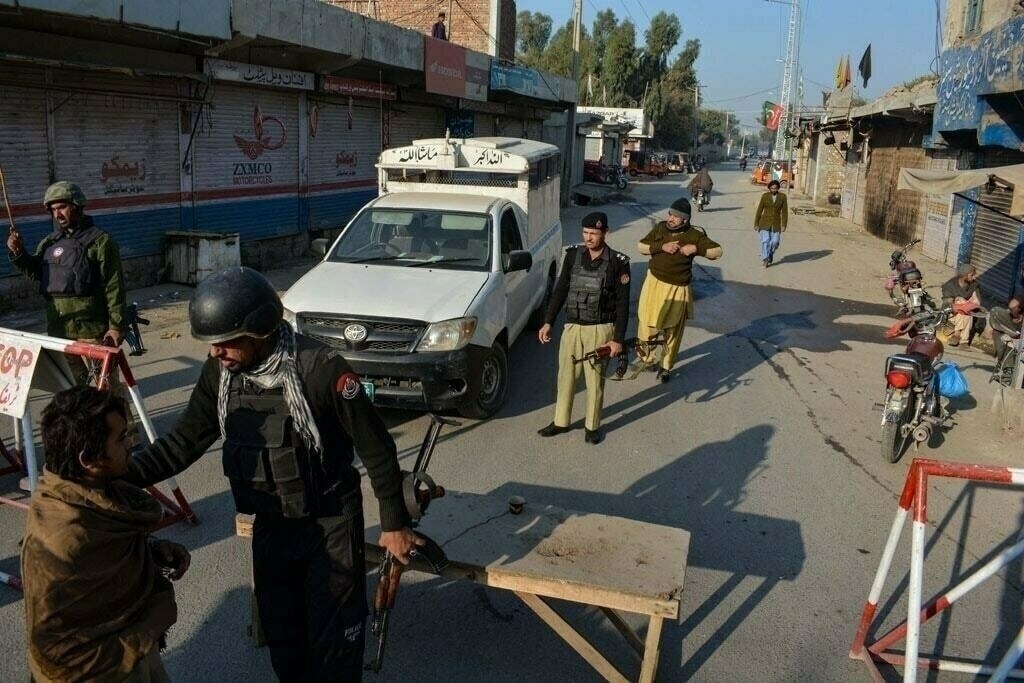
EDITORIAL: Counterterror operations in built-up valleys like Tirah carry a brutal arithmetic. Militants embed themselves in homes, mosques and clinics; they move at night, they cache explosives in ordinary dwellings, and they count on the state to hesitate when civilians are within blast radius. That reality does not absolve the state of its duty to protect non-combatants, it heightens it.
When civilians die and the public hears conflicting accounts about what happened, legitimacy erodes, and with it the consent that any long campaign against terrorism ultimately relies on.
Two things therefore have to be held together at all times. First, there can be no refuge for groups that manufacture improvised explosive devices, run safe houses, or fire on security forces from among families.
Second, the state must be able to show, not merely assert, that every strike or every raid is strictly in accordance with the standards of necessity, distinction and proportionality. Where there is doubt, it must be cleared by evidence that communities trust, and by procedures robust enough to withstand partisan pressure.
That is why a thorough and transparent probe into the Tirah incident is essential, and it must be designed with the audience that matters most in mind, the people of Khyber district.
A credible mechanism would include rapid scene preservation, independent forensic analysis, a public timeline of events, and an unambiguous account of targets, authorisations and munitions used. If the cause was an accidental detonation inside a militant facility, the physical indicators will show it. If an operation went wrong, the record should reflect that as well.
Either way, truth is not a luxury; it is the foundation for restoring calm and preventing the incident from being weaponised by agitators.
Alongside truth telling, prevention matters. Rules of engagement need continual refinement for operations where militants shelter among civilians. Intelligence vetting should be multilayered, with corroboration before kinetic action.
Evacuation warnings must be meaningful, with safe corridors, transport support and clear instructions that reach vulnerable families, including those without mobile coverage.
When raids or cordons are necessary, liaison with local community leaders can reduce the chance that civilians are present in targeted structures. None of this is simple in rugged terrain, yet these are precisely the conditions that demand extra care.
There is also a political dimension that requires discipline. Turning a contested incident into a political cudgel only deepens divides within a province that has borne the heaviest burden of terrorism for several decades.
Provincial and federal authorities need to coordinate messaging and de-escalation, not compete for point scoring. If condolences are to be offered, they should be offered quickly and with respect. If compensation is due, it should be processed without delay, with criteria published in plain language so families do not feel they are at the mercy of discretion.
Communities, too, have agency. When militants coerce or entice locals into providing cover, they raise the odds of tragedy for neighbours as well as for themselves.
Religious and tribal leaderships can help shut that door by reinforcing the social and moral red lines around using places of worship, schools and hospitals for violent ends. Community hotlines for anonymous tips, coupled with visible protection for whistle-blowers, can make a difference in preventing the next hideout from being established.
Finally, the border context cannot be ignored. Militants exploit sanctuaries and kinship networks that straddle the frontier.
Dialogue with Afghan authorities, however difficult, remains necessary to reduce cross-border facilitation, while Pakistan’s own border management and intelligence sharing must continue to improve. None of this substitutes for accountability at home; it complements it.
Terrorism cannot be allowed to reclaim space in KP. But neither can the state ask citizens to trust it without meeting a fundamental test of credibility.
The way forward is the hard middle path, relentless pressure on those who hide among civilians, matched by rigorous protection of those civilians and a public record that earns belief. If Tirah is handled in that spirit, it can be a turning point rather than another scar.
Copyright Business Recorder, 2025

























Comments
Comments are closed for this article.