


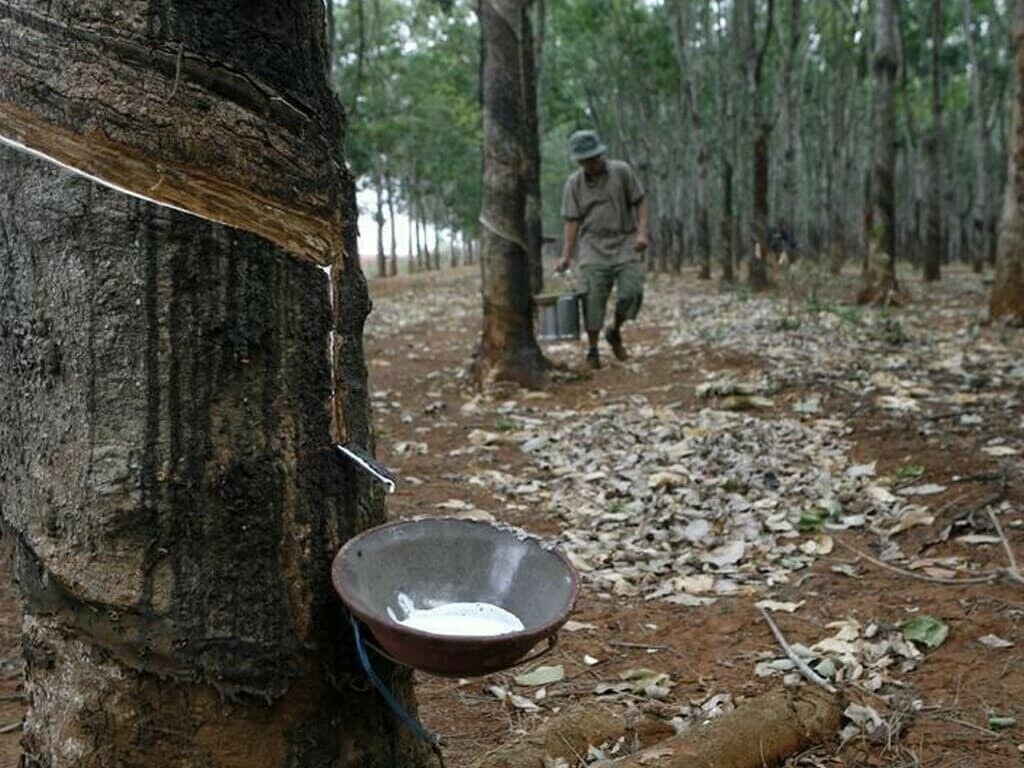

TOKYO: Japanese rubber futures fell on Friday but closed the week higher as concerns over supply disruptions caused by recent severe weather in key producing regions supported prices, although weak China auto sales capped gains.
The Osaka Exchange (OSE) rubber contract for March delivery was down 1.9 yen, or 0.61percent, at 310.2 yen (USD2.07) per kg.
Still, the contract ended the week up 1.04percent.
The rubber contract on the Shanghai Futures Exchange (SHFE) for January delivery lost 160 yuan, or 1.02percent, to 15,470 yuan (USD2,168.40) per metric ton.
The most-active November butadiene rubber contract on the SHFE fell 125 yuan, or 1.08percent, to 11,430 yuan per ton.
Top Chinese automaker BYD has reduced prices on select variants of its best-selling models due to declining sales.
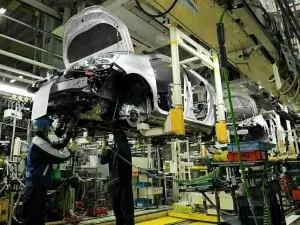
This comes after BYD’s weakest annual growth in five years, while the Chinese government has moved to curb excessive price competition in the auto market. Automobile sales could influence the intensity of automobile manufacturing, which involves using rubber-made tyres.
Lower automobile prices, driven by fierce competition, pressure rubber tyre prices. Despite temporary typhoon-related disruptions in the Western Pacific, rainfall in Southeast Asia is easing, leading to an expected pickup in production, said Chinese financial information website Jintou. The yen traded at an eight-week low after US President Donald Trump announced a new raft of tariffs.
A weaker Japanese currency makes yen-denominated assets more affordable to overseas buyers. Top rubber producer Thailand’s meteorological agency warned of heavy rains and accumulations from September 26-30.
The front-month rubber contract on Singapore Exchange’s SICOM platform for October delivery last traded at 174 US cents per kg, up 0.5percent.


















Comments
Comments are closed for this article.