


Indian rupee rough patch may extend as Trump fires fresh tariff salvo
- The 1-month non-deliverable forward indicated the rupee will open around the all-time low of 88.7975 hit earlier this week
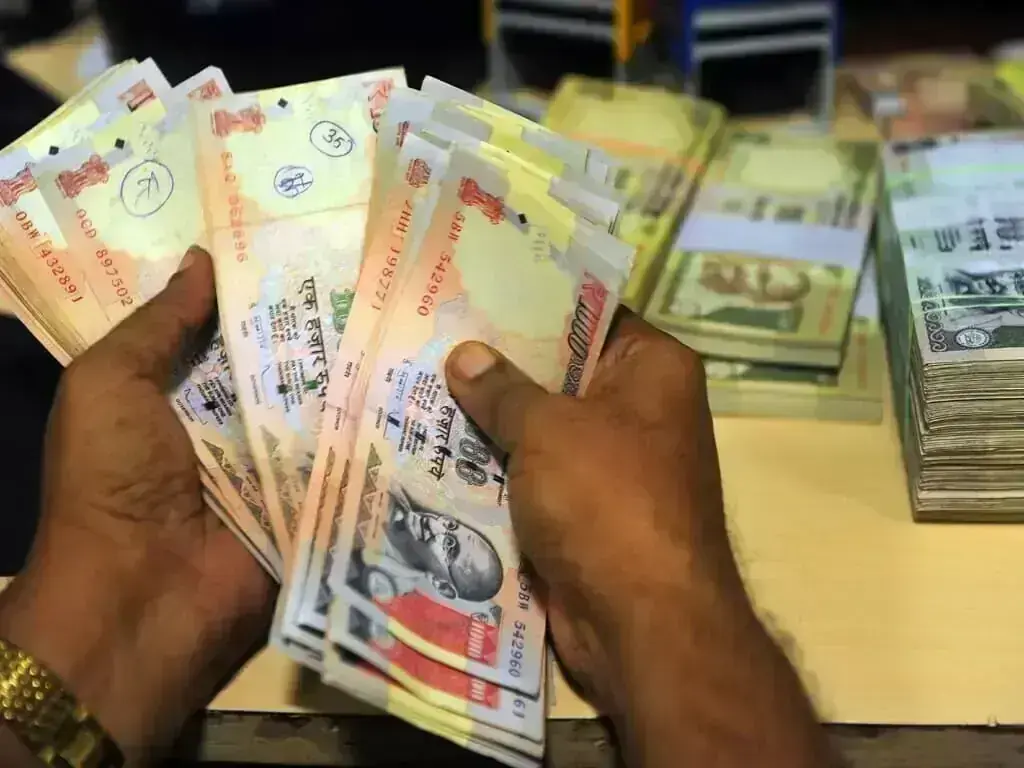

MUMBAI: The Indian rupee is likely to stay under pressure on Friday and could slip to an all-time low after U.S. President Donald Trump unveiled a new round of tariffs, including a 100% duty on any branded or patented pharmaceutical products.
The 1-month non-deliverable forward indicated the rupee will open around the all-time low of 88.7975 hit earlier this week, compared with Thursday’s close of 88.6650.
Meanwhile, on Thursday, Trump said duties on branded drugs, heavy-duty trucks and upholstered furniture among others will take effect from October 1.
“It is still unclear how branded or patented pharmaceutical products will be defined, but our working assumption is that this will not incorporate generic drugs and pharmaceutical shipped by the likes of India to the U.S.,” Michael Wan, senior currency analyst at MUFG said in a note.
The U.S. accounts for slightly more than a third of India’s pharmaceutical exports, primarily consisting of cheaper generic versions of popular drugs.
India’s U.S. sales rose 20% year-on-year to approximately $10.5 billion in fiscal 2025.
The rupee has come under consistent pressure this month, slipping 0.5% in September, amid worries over the impact of steep U.S. tariffs on Indian exports and higher H1-B visa fees.
In addition to the fallout from the latest round of tariff announcements, the rupee may also have to contend with heightened dollar demand related to the maturity of positions in non-deliverable forward and currency futures market, a trader at a state-run bank said.
While it’s “quite likely” that the Reserve Bank of India (RBI) will intervene to contain slumps in the currency, the rupee could weaken to the 89 handle in near-term, the trader added.
Elsewhere, the dollar strengthened in light of stronger-than-expected U.S. economic data as traders pared bets of sharp U.S. rate cuts.
Against a basket of peers, the dollar was last at 98.4, after rising 0.6% on Thursday.














Comments
Comments are closed for this article.