


Cotton sector development: Sino-Pak private sector players join hands
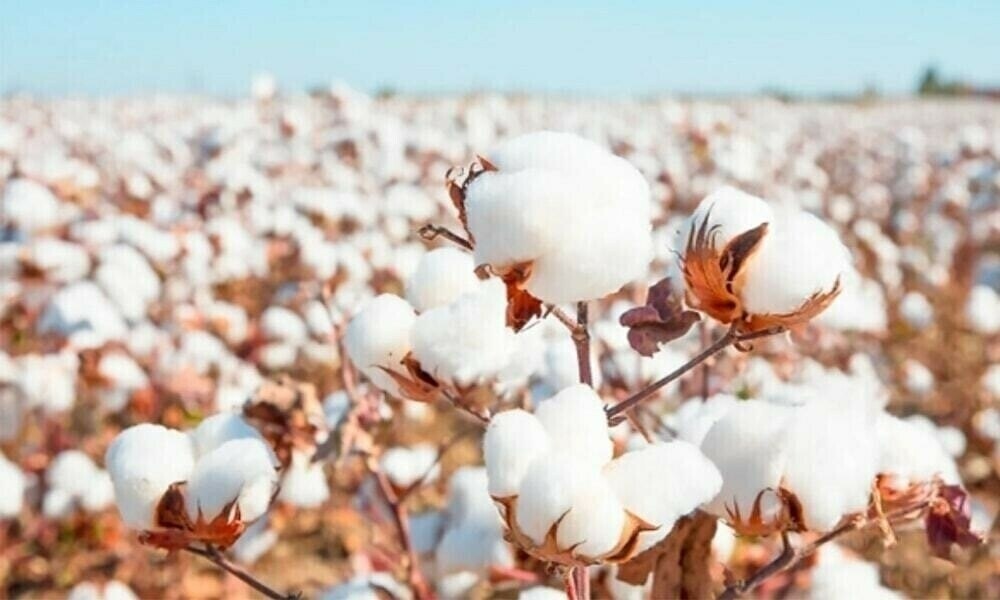

LAHORE: In a major step toward reviving Pakistan’s declining cotton sector, private sector players from Pakistan and China have joined hands to establish a comprehensive framework for bilateral cooperation. The partnership will span key areas including cotton research, varietal development, pest and disease management, seed production, marketing, technology transfer, and human resource development.
Building on the success of previous collaborations in hybrid rice, Guard Agricultural Research & Services (Pvt) Ltd (GUARD) has now partnered with China’s Xinjiang Jinghua Seed Company to develop high-yield, pest-resistant cotton seed varieties tailored to Pakistan’s agro-climatic conditions. The initiative aims to address the sharp drop in cotton production over recent years and inject new life into the country’s cotton economy.
Industry experts believe the partnership could significantly boost raw cotton output, thereby strengthening Pakistan’s textile industry—a vital pillar of the national economy. Enhanced seed technology and modern cultivation practices are expected to raise productivity, improve fiber quality, and increase farmer incomes, ultimately contributing to economic stability.
Speaking to Business Recorder, Pakistan Hi-Tech Hybrid Seed Association (PHHSA) Founding Chairman and GUARD Agri Chief Executive, Shahzad Ali Malik, described the collaboration as a timely and strategic move. “Pakistan’s partnership with China in seed cotton development is highly beneficial due to China’s advanced agricultural technologies, proven expertise in hybrid seed research, and successful track record in boosting crop yields,” he said. Malik emphasized that by harnessing Chinese innovation and combining it with Pakistan’s vast cotton-growing potential, the joint venture can produce seed varieties well-suited to local conditions. “This will not only help revive Pakistan’s cotton production but also uplift the entire value chain — from farms to factories — and support long-term agricultural sustainability,” he added.
He further noted that China remains one of the world’s top cotton producers, with annual production exceeding 6.1 million tonnes in 2024. The Xinjiang region alone accounts for over 92% of the country’s output. With an average yield of around 2,172 kilograms per hectare, China’s success reflects its use of advanced cultivation methods and high-efficiency seed varieties — a model Pakistan now aims to adopt through this bilateral collaboration.
Malik, elaborating on the MoU, stated that seed production will initially take place in China, with the seeds to be marketed commercially in Pakistan. Over time, and following the model previously used for hybrid rice, successful commercialization will pave the way for local production of these high-yield seeds in Pakistan. Eventually, the Chinese partners will transfer the relevant technology to their Pakistani counterparts.
Copyright Business Recorder, 2025




















Comments
Comments are closed for this article.