


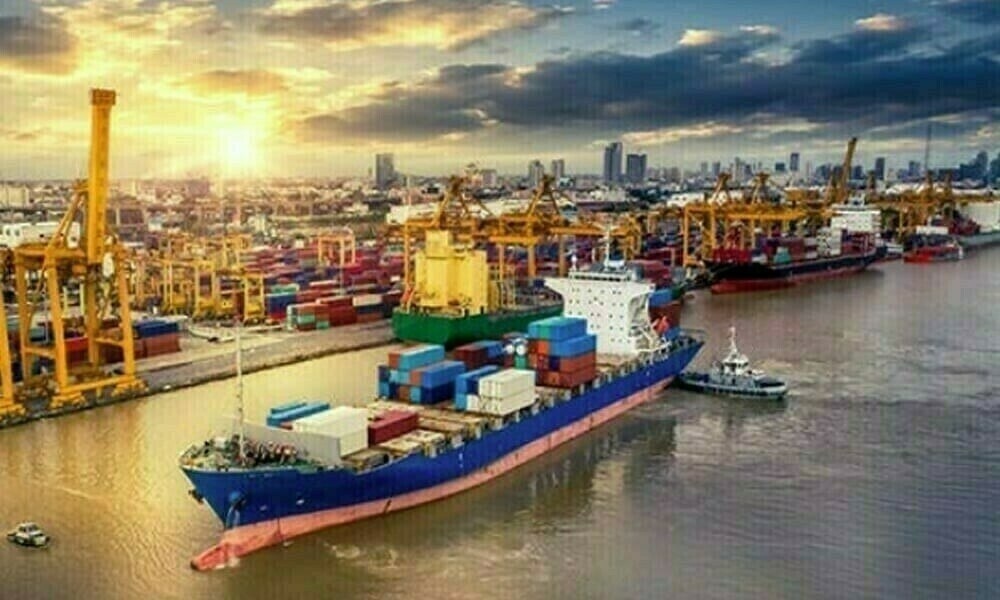
EDITORIAL: Balance of trade rose to negative 29.01 percent July-August 2025 against the same period of the year before with exports declining by 0.65 percent and imports rising by 14.23 percent.
Exports have been hit by the withdrawal of monetary and fiscal incentives by the government as part of the International Monetary Fund (IMF) conditions with its ongoing loan approval document rate October 2024 explicitly stating that “the government’s intervention in price setting, including for agricultural commodities, fuel products, power, and gas (biannual), combined with high tariff and non-tariff protection tilted the playing field in favour of selected groups or sectors.
Despite all this support, the business sector has failed to become an engine of growth, and the incentives eventually weakened competition and trapped resources in chronically inefficient (including perpetually “infant”) industries.” Currently, discussions are under way between the government and industry to agree on a mechanism that would ease their genuine concerns with the objective of evening-out the input cost disparities with regional competitors’, subject to IMF approval.
Special Assistant to the Prime Minister Haroon Akhtar Khan unveiled a strategic vision for industrial revitalisation mid-June this year during the National Regulatory Reforms Conference organised by the Board of Investment. While acknowledging the elevated energy costs, taxes and borrowing rates (higher than in regional countries even though the discount rate was halved in June this year to 11 percent) that constrain industrial competitiveness Khan presented key elements of the National Industrial Policy (NIP) that included strategic interventions notably: (i) revival of non-performing units through restructuring with support from the Pakistan Banking Association; (ii) enhanced access to credit; (iii) robust investment protection framework to guard against arbitrary regulatory actions; (iv) rationalisation of the tax regime, including reforms to super tax; (v) lowering energy and financing costs; (vi) introduce modern insolvency and bankruptcy laws; (vii) regulatory reforms to reduce state interference; (viii) and facilitation of investment repatriation, especially for overseas Pakistanis. These measures would require IMF approval prior to implementation and while structural reforms are urgently required in the tax sector as well as the passage of laws specifically for insolvency; however, all other measures are not likely to be approved, given the scale of devastation caused by the floods, which would require additional funding for rescue, relief and rehabilitation of the affected areas. In other words, the fiscal space available when Haroon Akhtar Khan presented the NIP has since shriveled away.
Imports are on the rise and reflect the boom-bust cycle that was noted finally by the IMF in its October 2024 documents in the following words: “Economic volatility has only increased over time, with a tight correlation between Pakistan’s boom-bust economic outcomes and its macroeconomic policies. The repeated attempts to boost economic activity through fiscal and monetary stimulus have not translated into durable growth, as domestic demand increased beyond Pakistan’s sustainable capacity, resulting in inflation and depletion of reserves, given a strong political preference for stable exchange rates. Each subsequent bust has further harmed Pakistan’s policymaking credibility and investment sentiment.” The trade deficit has risen to USD 6.013 billion in July-August this year compared to USD 4.661 billion in the same period of the year before, indicative of the fact that the boom-bust cycle has yet to be broken.
In sum, careful consideration will have to be given to ensure that this cycle that has necessitated borrowing from external as well as domestic sources is broken forever, which requires in-house out-of-the-box thinking, including reforms identified by sector experts gathering dust in relevant ministries/departments but not implemented due to the elite capture of policy implementation.
Copyright Business Recorder, 2025















Comments
Comments are closed for this article.