


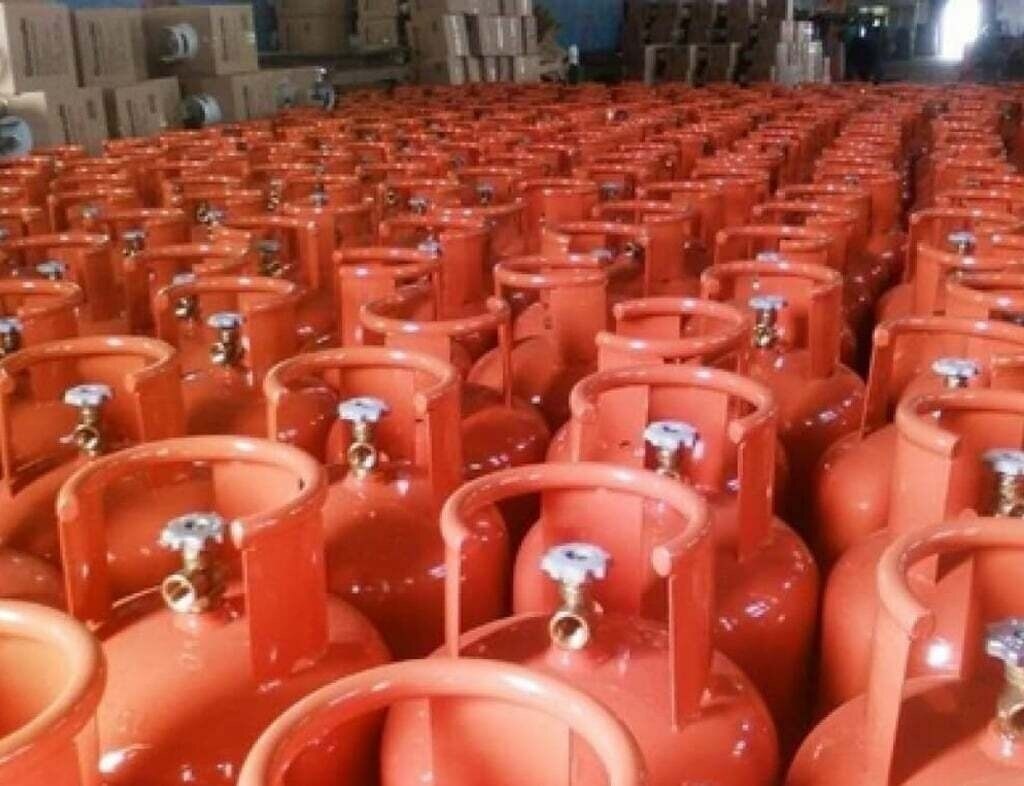

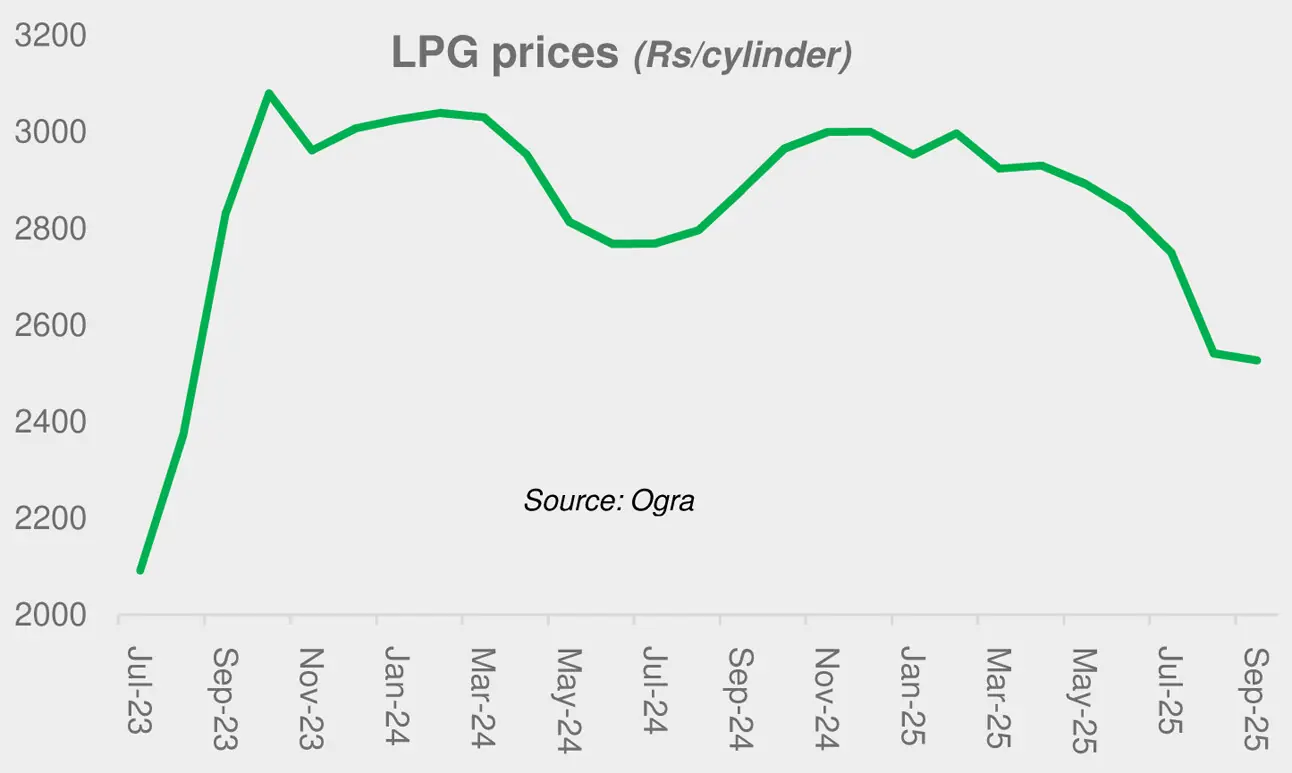
OGRA’s latest announcement has brought the price of liquefied petroleum gas (LPG) down to Rs214 per kg, the lowest level in almost two years. For households relying on LPG cylinders, the relief may feel tangible, but the broader energy pricing picture tells a different story.
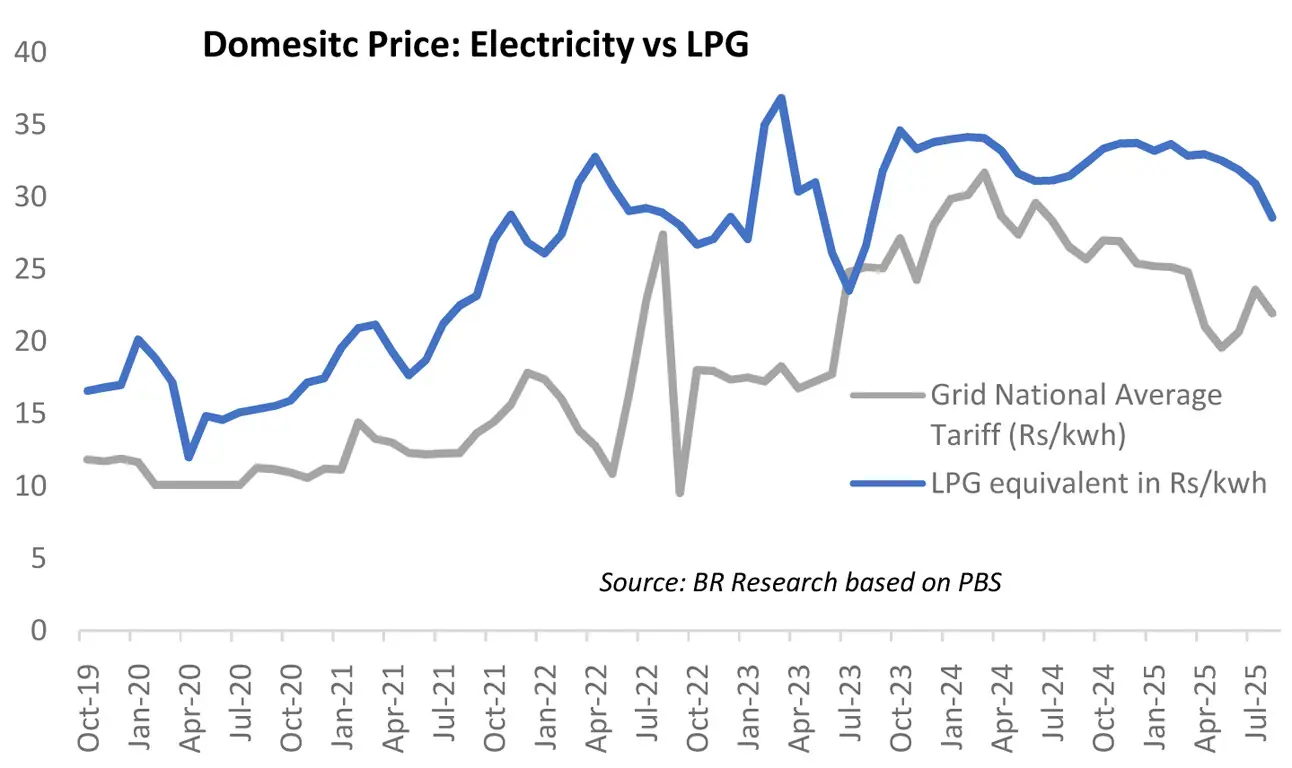
For years, electricity tariffs have remained higher than LPG in kilowatt-hour terms, even when grid tariffs touched their peak in March 2024.
But the dynamics have shifted. At today’s announced price, LPG translates to Rs28.57/kWh equivalent, compared to Rs21.97/kWh for grid power, accounting for appliances ineffecincies. Despite the narrowing delta, LPG continues to be more expensive than grid power — a fact that rarely enters policy debates.
This creates a paradox. LPG, a largely imported fuel, costs the consumer more, drains foreign exchange, and yet enjoys widespread usage for cooking and heating.
On the other hand, the electricity grid — already struggling with stalled demand at multi-year lows and facing further strain from the rapid solarization of rooftops — finds itself underutilized. In such a scenario, the logic of allowing LPG to dominate household consumption is increasingly questionable.
A more coherent policy approach would mean incentivizing a shift to electric cooking and heating appliances, while discouraging the use of LPG for domestic purposes. This would not only reduce reliance on costly imports but also help shore up much-needed demand for the national grid.
At a time when the power sector’s viability is under severe pressure, aligning consumer choices with system efficiency should be at the center of reform.
Global peers are already moving in this direction. India is piloting induction cooking schemes under its energy transition agenda, while the European Union is aggressively electrifying residential heating to cut gas imports.
Pakistan, too, must begin nudging households towards electrification by offering financing options for electric appliances, revising tariff structures for domestic cooking, and running awareness campaigns. Without such a shift, the LPG vs grid mismatch will persist — adding to energy sector inefficiencies and worsening the import bill.

















Comments
Comments are closed for this article.