


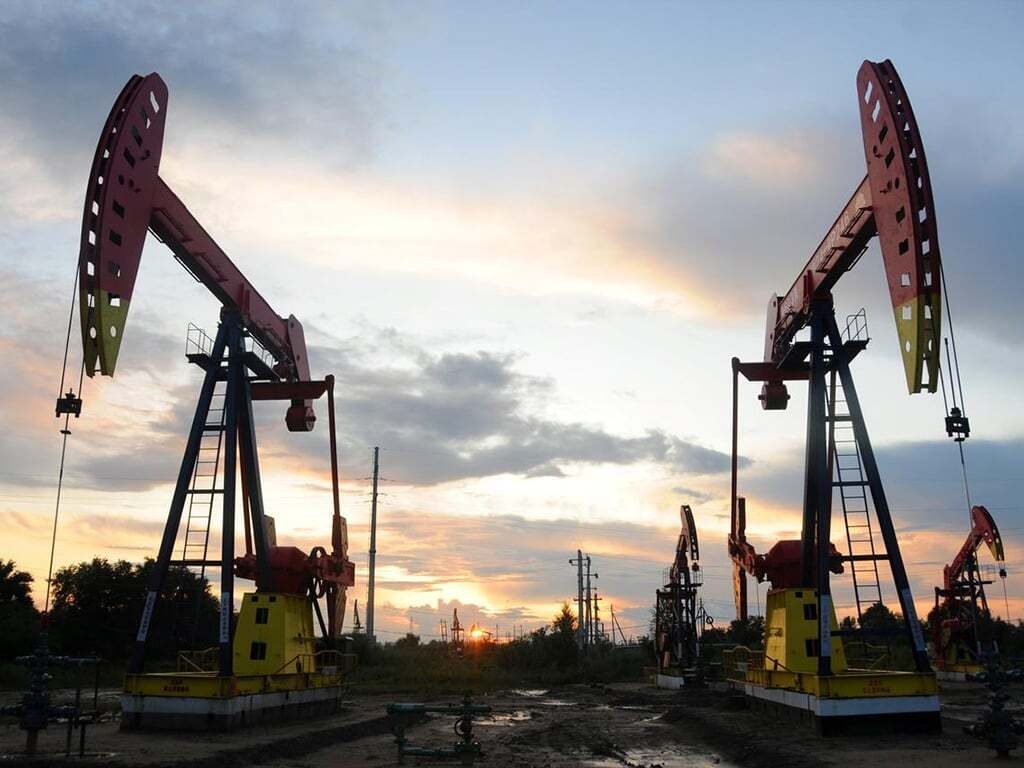

Oil markets entered September 2025 on softer footing, with Brent trading around $67–68 per barrel and WTI near $64, after slipping in August as supply expanded and demand expectations cooled. The decline in prices reflect a combination of deliberate supply increases and signs of slower consumption. Reuters data shows Brent at $67.79 and WTI at $64.33 in early September.
The softness is mainly supply-driven. Russian seaborne shipments fell to a four-week low, but this disruption was overshadowed by rising non-Russian supply and a decisive OPEC+ strategy shift, keeping prices low.In August, OPEC+ approved another large output hike—547,000 barrels per day for September—signalling a move away from restrictive cuts toward regaining market share.
This effectively reversed much of the earlier supply restraint and showed comfort in deploying spare capacity even at lower price levels. Traders have also priced in an autumn supply boost and the usual post-summer demand lull in the US.
On the demand side, the International Energy Agency (IEA) cut its 2025 global oil demand growth forecast to 680,000 barrels per day, sharply lower than the EIA’s 980,000 and OPEC’s 1.3 million, underscoring how the three main forecasters diverge on consumption trends. The IEA cited weaker Chinese growth, efficiency gains, and sluggish petrochemical margins. This divergence is one reason markets remain uncertain about where balances will settle.
Geopolitical tensions remain part of the backdrop. Russia’s war in Ukraine continues to disrupt flows, but rising output from other producers has prevented severe shortages. Iran’s ability to sway the market has also diminished. A recent GIS analysis points to Tehran’s chronic under-investment, its heavy reliance on discounted sales to China, and its exemption from OPEC quotas as reasons why even tighter sanctions might have a muted effect on global balances.
Meanwhile, Riyadh and its OPEC+ partners are tolerating weaker prices for strategic reasons. As noted in a policy analysis from Arab Center Washington DC, Saudi Arabia periodically launches “market-share campaigns” to discipline high-cost rivals, particularly U.S. shale producers, and to discourage new investments in frontier plays. This year, the strategy also aligned with Washington’s interest in keeping pump prices affordable.
As for the outlook on prices, Brent could average in the mid-$50s to mid-$60s in 2026, with the U.S. EIA projecting around $51/bbl. as supply growth from the U.S., Brazil, and Guyana outpaces demand.
The bear case, which is also plausible could push prices into the low $50s or even $40s if the IEA’s warnings of a looming glut materialize, particularly if Chinese demand weakens or Europe slows further.
On the upside, Brent could briefly rebound to $70–80 if a major disruption—such as a Strait of Hormuz closure or large outages in Russia or Nigeria—shocks supply, though analysts stress that spare capacity and U.S. shale would likely cushion the impact.
Notably, OPEC remains more bullish, lifting its 2026 demand forecast, highlighting the stark divergence with IEA’s caution and leaving markets range-bound until one of these narratives prevails.
For Pakistan, lower global oil prices in 2026 could ease pressure on inflation, power tariffs, and the current account, but the benefits may not fully reach consumers. The government relies heavily on the petroleum levyso retail relief will likely remain limited. While cheaper crude could save the country foreign exchange and help exporters cut costs, the impact depends on the rupee’s stability and fiscal policy.




















Comments
Comments are closed for this article.