


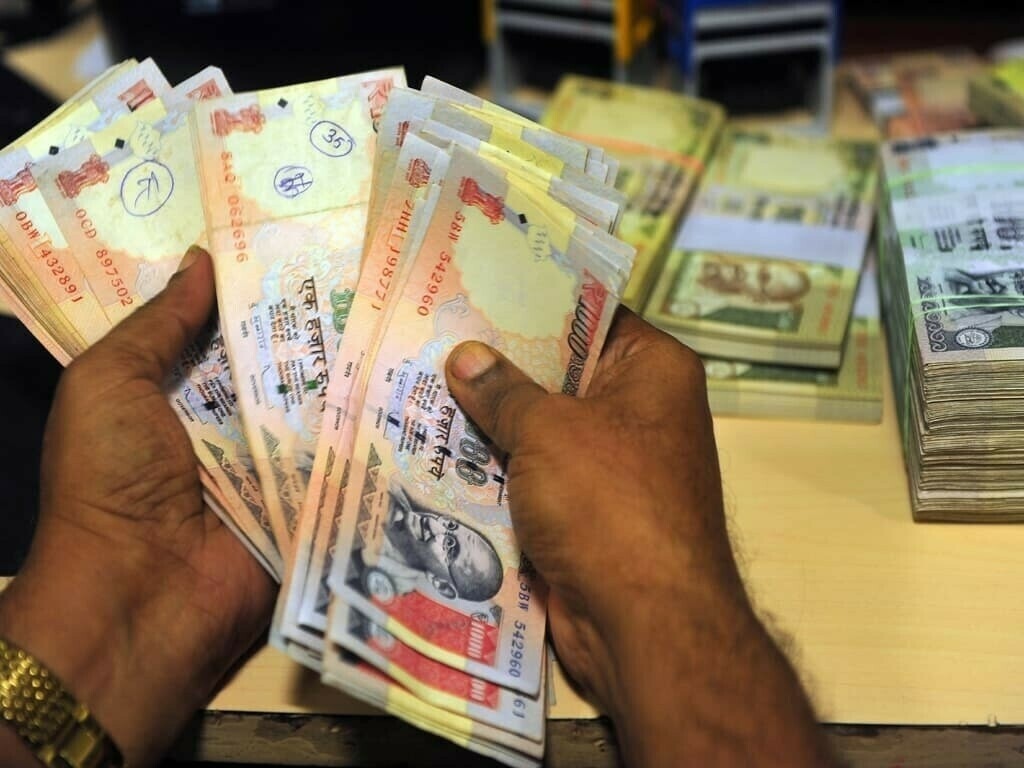

MUMBAI: The Indian rupee weakened to a new all-time low against the offshore Chinese yuan on Friday, a move that could boost competitiveness for a segment of exporters in the South Asian nation facing hefty US tariffs.
The rupee dropped to 12.3862 against the offshore yuan on Friday, extending its weekly decline to 1.2 percent and the monthly drop to 1.6 percent.
Over the past four months, the Indian currency has tumbled nearly 6 percent against the yuan.
The rupee’s fall versus the yuan reflects the contrasting recent news flow about US tariffs for India and China, according to Gaura Sen Gupta, economist at IDFC FIRST Bank.
Washington imposed an additional 25 percent tariff on Indian goods this week, doubling the total duties faced by the South Asian nation to 50 percent.
Meanwhile Chinese goods face a lower 30 percent tariff from the US with a pause on higher triple-digit duties remaining in place.
The yuan-rupee forex rate matters for India’s trade performance, considering that the two economies compete directly in key U.S-bound sectors such as textiles, engineering goods and chemicals.
A weaker rupee against the yuan makes Indian products relatively cheaper than those of Chinese rivals in the export market, partially cushioning the blow from higher US tariffs.
Plus, a weaker rupee against the yuan could help narrow India’s trade deficit with China.
The yuan-rupee cross is among the key metrics tracked by the Reserve Bank of India, according to a person familiar with the central bank’s thinking. They asked not to be identified since they were not authorized to speak to media. The central bank did not immediately respond to a request for comment.

















Comments
Comments are closed for this article.