


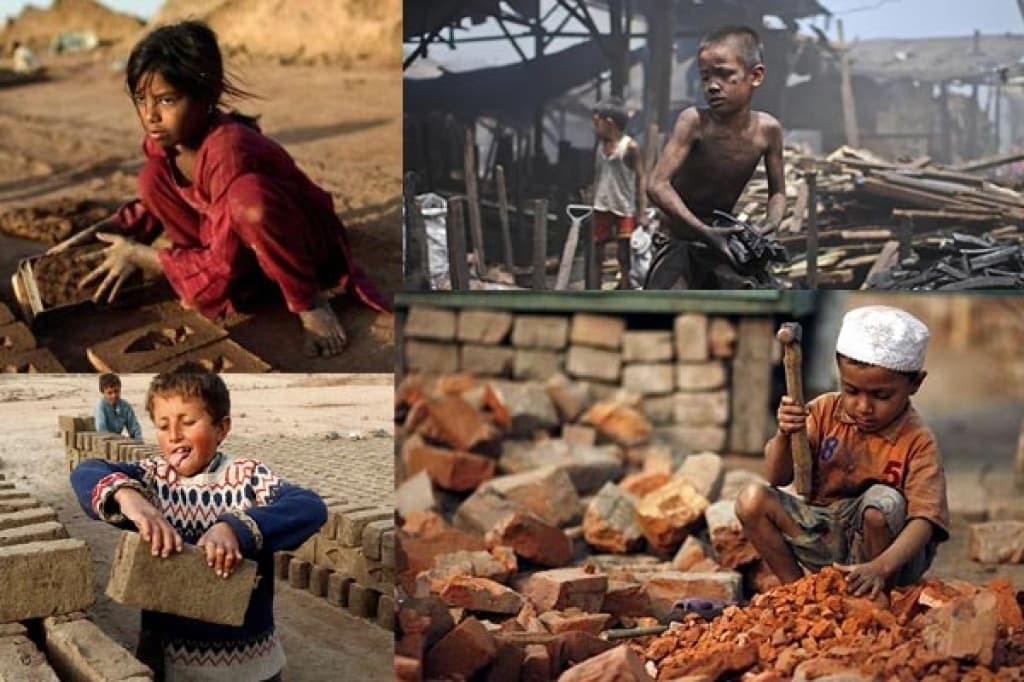

ISLAMABAD: Pakistan’s brick kiln industry remains a hub of systemic human rights abuses, with bonded labour and harsh exploitation disproportionately affecting vulnerable communities, especially women and children.
This was the crux of a study titled “Unveiling Exploitation and Abuse in the Brick Kilns of Punjab”, conducted National Commission for Human Rights (NCHR) in collaboration with the Pakistan Partnership Initiative (PPI).
Despite international obligations and domestic legal measures, abuses persist predominantly in Punjab province, which hosts over half of Pakistan’s brick kilns and employs approximately 186,000 workers, it says.
The study, carried out in key kiln hubs Faisalabad and Kasur, found that 97 percent of workers are trapped by urgent loans, 90 percent lack written contracts, leaving them unprotected by labour laws, and over 70 percent of families live in overcrowded conditions. The study further reports that 92 percent of workers experience verbal abuse, with many victims recounting instances of physical beatings, abductions, and torture.
The findings also highlight serious gaps in the enforcement of workplace standards, particularly in smaller kilns. The absence of gender-sensitive monitoring, harassment safeguards within bonded labour laws, and structured rehabilitation programs leaves workers extremely vulnerable.
Based on surveys of 200 workers and in-depth interviews with 30 victims, the report presents documented case studies and includes perspectives from trade unions, kiln owners, and officials from the Punjab Labour Department.
The study calls for urgent reforms, including the ratification of outstanding labour conventions, strict enforcement of minimum wage laws, enhanced protections against harassment, effective monitoring systems, and expanded social security coverage. It also recommends structured rehabilitation support for rescued workers, appointment of women labour inspectors, the establishment of a rehabilitation fund, and wider adoption of successful reform models like EBLIK.
Speaking at the launching of the study, Chairperson NCHR, Rabiya Javeri Agha demanded reform in this sector. “For all of us, ending bonded labour is not charity. It is not a favour. It is justice and human dignity. It is the fulfilment of our Constitution’s promise.”
Justice Jawad Hassan, Lahore High Court, said that the evolution of bonded labour from colonial bondage to constitutional protections shows progress, but the brick kiln horrors remind us of unfinished work.
“It is incumbent not just on the judiciary but also on the legislative and executive branches to work towards correcting these horrors and let this report ignite collective action for a Pakistan where no worker is bonded, and dignity prevails. He called for legislative reforms, judicial and institutional strengthening and collaborative action to end this extreme exploitation.
Copyright Business Recorder, 2025

















Comments
Comments are closed for this article.