


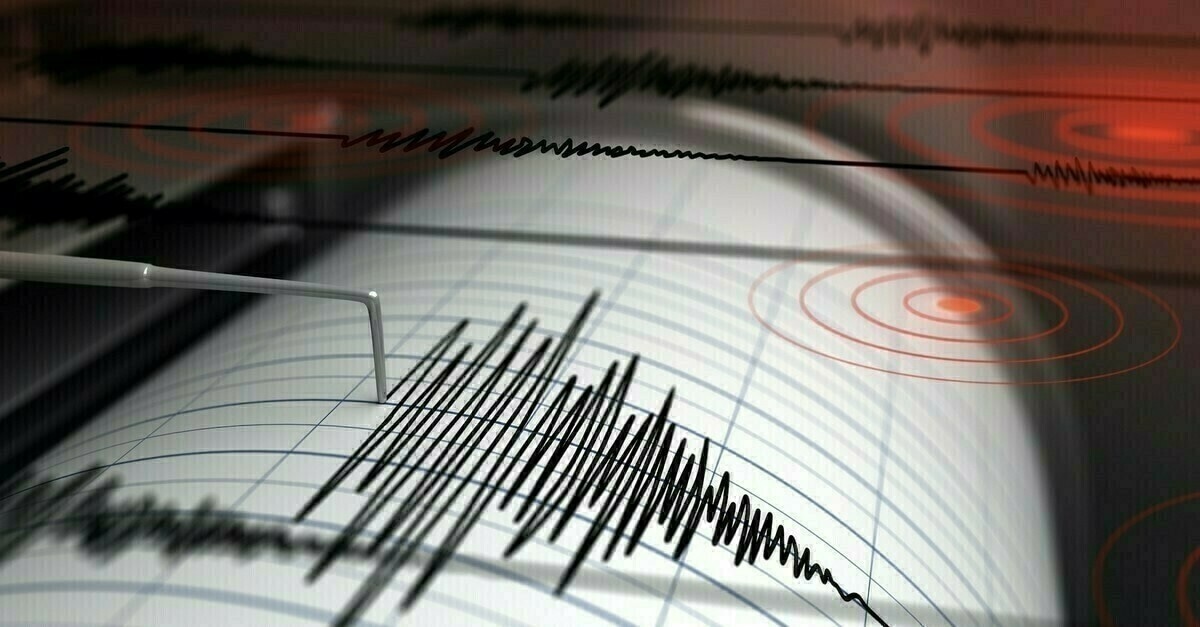

Karachi, Pakistan’s largest city and economic hub, has been rattled by over 60 mild earthquakes between June and mid-July 2025. Most were small—magnitudes between 1.5 and 3.8—but their frequency, shallow depth, and clustering along the Landhi–Malir–Korangi corridor have reignited urgent questions about the city’s seismic safety.
Scientists warn that Karachi lies within the tectonically active Karachi Arc, where the Eurasian, Indian, and Arabian plates interact. This region sits close to a triple plate junction off the Makran coast—a zone capable of producing very large earthquakes and tsunamis.
Historical events from this system include the 1935 Quetta earthquake, the 1945 Makran earthquake and tsunami, the 2001 Bhuj earthquake, and the 2013 Awaran earthquake. These events, though centred outside Karachi, sent strong tremors across southern Sindh, underlining the influence of regional seismicity.
A recipe for disaster
Karachi’s vulnerability is amplified by three factors:
Weak soils – Much of the city rests on water-saturated, compressible sediments prone to liquefaction.
Unregulated construction – Large numbers of structures fail to meet seismic standards, especially in informal settlements.
Subsidence and groundwater depletion – Over-extraction of aquifers is sinking some areas by up to 30 mm annually, undermining foundations and increasing flood risk.
God forbid, given the Government’s insensitivity and inability to regulate and enforce building codes, if the November 1945, 8.1 magnitude earthquake repeats itself near the triple plate junction, most of the coastal part of Karachi will be razed to the ground and a large part of the city will be severely affected. Allah Rehem Karey.
Preparedness and mitigation – what must be done?
The science is clear: Karachi’s seismic future cannot be prevented, but its impact can be reduced. A city-wide preparedness strategy should include:
Strict building code enforcement – Immediate audits of high-occupancy and high-risk buildings; retrofitting where needed.
Urban microzonation – Mapping soil stability and integrating results into zoning laws.
Groundwater regulation – Restrict extraction, restore recharge areas, and prevent further subsidence.
Public awareness – Mass education on earthquake safety drills, evacuation routes, and household emergency kits.
Policy reforms – from paper to practice
Pakistan already has seismic provisions in its National Building Code, and Sindh has regulations on paper. The problem is enforcement. Corruption, political interference, and weak technical oversight allow unsafe construction to flourish. Policymakers must:
Strengthen regulatory bodies with resources and legal authority.
Offer incentives—such as tax rebates—for retrofitting existing structures.
Establish an independent seismic safety commission to oversee compliance and advise the government.
Turning warnings into action
The June–July 2025 earthquake swarm is a wake-up call, not an anomaly. With Karachi’s location near a seismically active triple plate junction and within reach of major regional fault systems, the risk is real and growing. Whether the next large quake strikes in a year or decades, the devastation it could cause will depend entirely on the steps taken now.
Karachi must choose between remaining reactive—scrambling for relief after disaster—or becoming proactive, investing in resilience that will save lives, protect infrastructure, and safeguard the city’s future.
Copyright Business Recorder, 2025
The writer is a seasoned energy and mineral exploration expert with nearly 40 years of leadership in Pakistan’s oil, gas, and mining sectors
















Comments
Comments are closed for this article.