


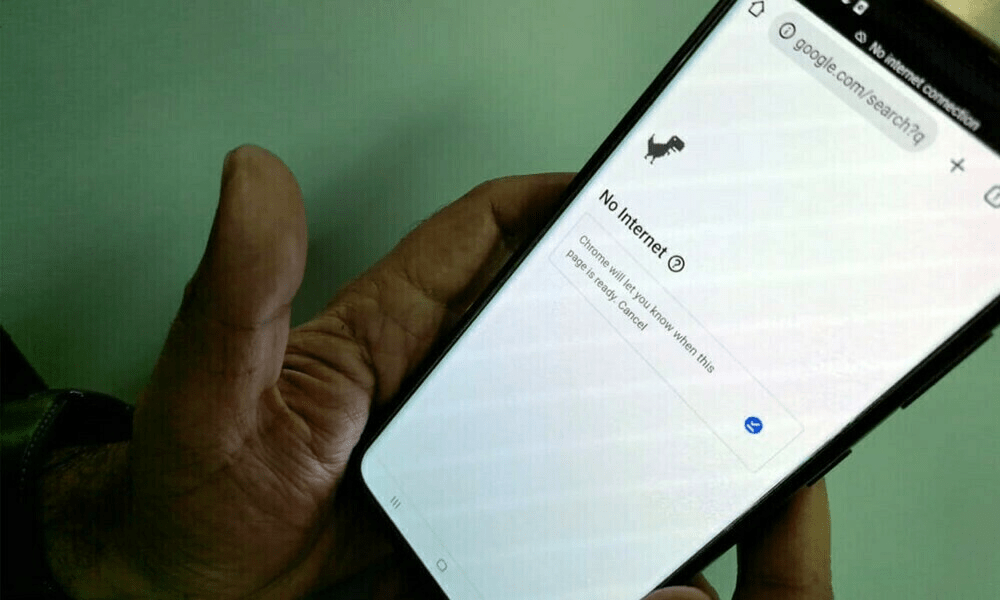

ISLAMABAD: The Wireless and Internet Service Providers Association of Pakistan (WISPAP) termed the major internet blackout a “national failure”, and urged for decisive reforms, not repeated apologies.
Wispap.org.pk Chairman Shahzad Arshad told media persons that Pakistan was plunged into digital darkness on Tuesday as a massive internet outage disrupted connectivity across the country.
Nearly two-thirds of users were affected, marking one of the most severe breakdowns in recent years and nearly mirroring the nationwide collapse that occurred on the same date in 2022.
The disruption crippled essential services, including banking, healthcare, education, and e-commerce.
Freelancers missed deadlines, hospitals struggled to access patient data, and businesses faced stalled transactions — all underscoring the country’s growing dependence on reliable internet access, he added.
According to NetBlocks, national connectivity dropped to just 20 percent of normal levels, with backbone operator PTCL among the hardest hit.
The outage is believed to stem from a technical fault in the network of an upstream provider, possibly exacerbated by flooding in key regions.
The association called the blackout a “national failure.”
Arshad condemned the recurring breakdowns, citing years of neglect and overreliance on a handful of backbone providers.
“Internet outages are no longer rare accidents in Pakistan — they’ve become a recurring reality,” Arshad said. “For two-thirds of the country to go dark in 2025, on the very date we saw the same collapse in 2022, should ring alarm bells at every level of government,” he added.
He emphasised that internet access is now as vital as electricity, warning that every hour offline costs Pakistan millions and tarnishes its global reputation.
The WISPAP has long advocated for infrastructure diversification, regional internet exchanges, and investment in redundancy.
Arshad noted that while smaller ISPs often keep pockets of communities online during national outages, they lack the scale to compensate for backbone failures.
“Pakistan’s digital future cannot remain hostage to single points of failure,” he added. “We need decisive reforms, not repeated apologies,” Arshad added.
Copyright Business Recorder, 2025




















Comments
Comments are closed for this article.