


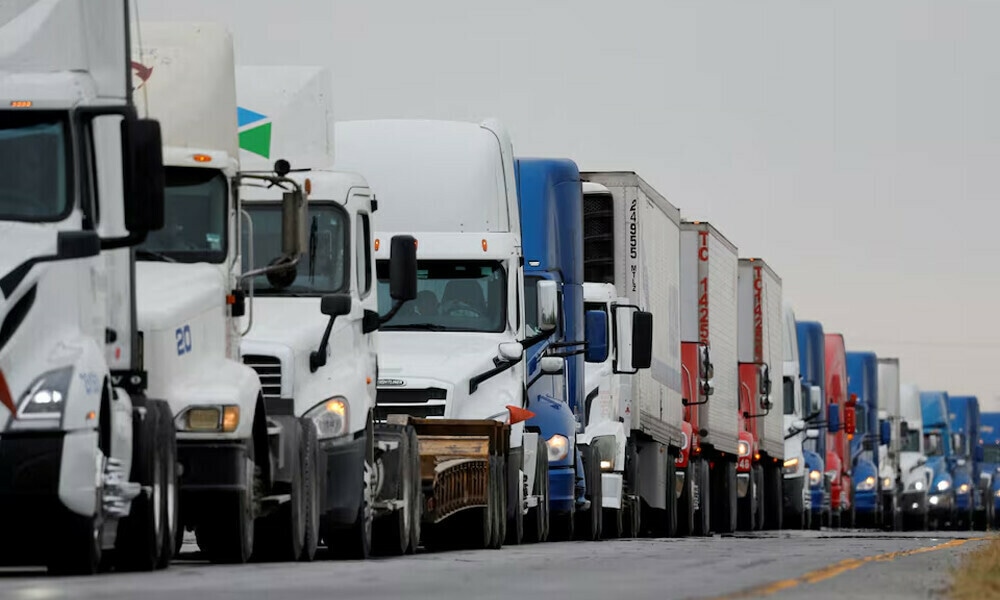

This is apropos two back-to-back letters to the Editor from this writer carried by the newspaper on Sunday and yesterday. The most visible flashpoint came at the border when fully loaded trucks carrying US dairy products—milk, cheese, butter, cream—began being turned back without explanation.
Reports suggest that around 200 trailers were refused entry each day. Each truck carried goods worth tens of thousands of dollars, and with this volume, the losses to farmers, transporters, insurers, and distributors could easily reach tens of millions daily.
Industry analysts estimate that US dairy producers could lose up to $6 billion over the next four years as a result of tariffs, spoiled inventory, and the collapse of cross-border demand. Processing plants face shutdowns, insurers are exposed to claims on perishable goods, and the carefully balanced supply chain that once linked the two nations is now badly frayed.
The damage is not one-sided. Canada’s machinery, agricultural, and energy exports are also facing retaliatory barriers. Small towns and rural regions whose economies depend entirely on cross-border trade now face an uncertain future.
In some places, the change feels less like a trade dispute and more like the hostility of neighbors locked in a feud, akin to the dynamic between India and Pakistan—where shared history and culture give way to mutual suspicion.
Public sentiment has shifted sharply; Canadian road trips to the United States have dropped by nearly 37 percent, air travel by 26 percent, and the once-friendly banter between citizens on social media is now tinged with resentment and hostility.
Copyright Business Recorder, 2025
The writer is a former Press Secretary to the President, An ex-Press Minister at Embassy of Pakistan to France, a former MD, SRBC Macomb, Detroit, Michigan




















Comments
Comments are closed for this article.