


EDITORIAL: The rising tide of natural catastrophe losses is no longer a distant warning; it is a direct cost and a growing one. The USD 135 billion in global economic losses recorded in the first half of 2025, as reported by Swiss Re, underscores a world where climate volatility is fast outpacing institutional readiness. Of that total, $80 billion were insured losses, almost double the ten-year average when adjusted for inflation. The insurance industry, typically built around precision modelling and disciplined risk pricing, appears to have misjudged both the pace and scale of the threat.
A large portion of this year’s insured hit came from a single event, the Los Angeles wildfires in January, with losses estimated at USD 40 billion. Swiss Re notes that this is the largest insured wildfire loss event on record, driven by a combination of extreme wind conditions, prolonged drought, and a high concentration of high-value residential properties in vulnerable areas. While climate change is undoubtedly amplifying the frequency and severity of such disasters, the scale of insured losses raises uncomfortable questions about whether insurers themselves priced this risk appropriately.
That is where the insurance industry cannot be absolved of all responsibility. For years, insurers have issued policies in high-risk regions, particularly in California, without raising premiums sufficiently to reflect the accelerating climate exposure. Competitive pressure and short-term market share considerations may have played a role, but the result was the same: mispriced risk and under-prepared balance sheets. This is not merely a case of insurers getting caught off guard, it is a failure to act in their own self-interest.
According to Swiss Re, wildfire-related insured losses now make up 7 percent of global natural catastrophe claims, up from just 1 percent before 2015. That increase did not happen overnight. Yet insurers continued to offer cover, often at rates that did not factor in the new baseline of prolonged dry seasons, shifting rainfall patterns, and growing suburban development in fire-prone areas. The consequences were predictable and, in hindsight, preventable.
It is also telling that severe thunderstorms accounted for USD 31 billion in insured losses in just the first six months of the year. The second half typically carries even more risk due to the North Atlantic hurricane season. If current loss trends hold, global insured losses in 2025 could exceed Swiss Re’s projection of USD 150 billion, a figure that would put even the best-capitalised reinsurers under pressure.
This is not just a market problem. The knock-on effect of repeated, outsized claims is that premiums will eventually rise sharply, coverage will become more selective, and vulnerable communities, especially in developing countries, will be left even more exposed. The gap between insured and uninsured losses will widen, and without proactive mitigation measures, the financial burden will shift further onto governments and the public.
Swiss Re’s own recommendation is unequivocal. The strongest lever for long-term resilience is investment in mitigation and adaptation. Dykes, floodgates, firebreaks, and stricter zoning rules are not luxuries; they are cost-saving mechanisms. Research suggests such interventions can be up to ten times more cost-effective than rebuilding after disaster strikes.
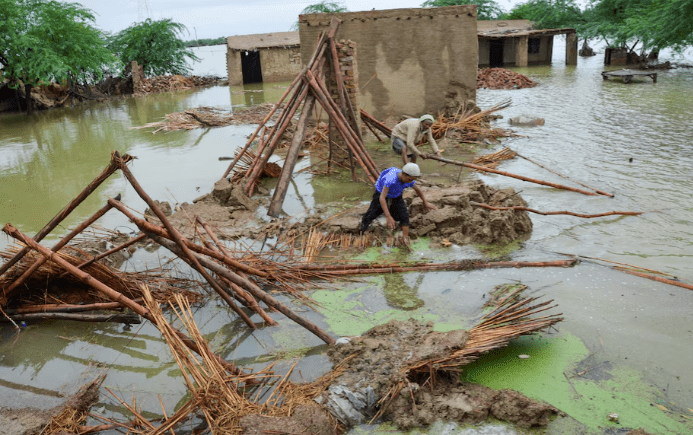
Developing countries, including Pakistan, should take particular note. Flooding, heat waves, and urban sprawl into hazard-prone zones are recurring features of the local climate and planning landscape. Yet, disaster management continues to rely heavily on response rather than prevention. Insurance penetration remains low, and climate-related risk is largely absent from urban development decisions.
If the private insurance sector, with all its modelling sophistication, can misprice such risk, the implications for public infrastructure and fiscal planning are even more serious. The Swiss Re report should be a wake-up call, not only to the global insurance industry, but also to policymakers tasked with safeguarding national resilience.
The data is clear. The losses are real. The window to adjust is narrowing.
Copyright Business Recorder, 2025




















Comments
Comments are closed for this article.