


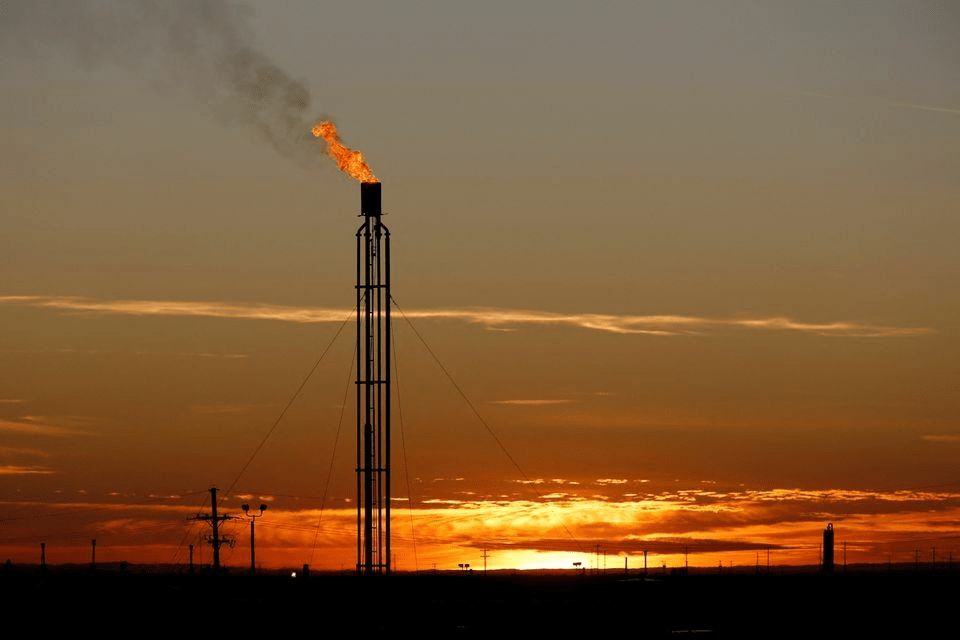

KARACHI: Pakistan’s hydrocarbon production plunged to its lowest level in over two decades in FY25, with oil and gas output down sharply as surplus imported LNG in the system forced curtailment of domestic supply.
Industry data shows oil production dropped 12 percent year-on-year to an average of 62,400 barrels per day, while gas volumes fell 8 percent to 2,886 million cubic feet per day. The downturn was even steeper in the April–June quarter, when oil output declined 15 percent and gas 10 percent compared to the same period last year.
The slump has been attributed to increased RLNG availability—bolstered by the diversion of captive industrial users from gas to the national grid—and government measures that made gas-fired captive generation costlier than grid electricity. The off-grid levy of Rs791 per mmbtu pushed total gas tariffs for captive use to Rs4,291 per mmbtu.
Several key fields recorded double-digit production declines. The Tal Block, accounting for nearly 17 percent of Pakistan’s oil output, saw volumes tumble 22 percent year-on-year in the fourth quarter. Within the block, Maramzai and Mardankhel fields posted declines of 54 percent and 52 percent, respectively.
On the gas side, Qadirpur and Nashpa fields registered 36 percent and 34 percent annual declines in the same period, largely due to curtailments by Sui gas companies.
Topline Research estimates the loss of local production added more than $1.2 billion to Pakistan’s foreign exchange outflows in FY25, as greater reliance on imported fuels became necessary.
Looking ahead, the brokerage warns production could slip further in FY26, with current flows hovering near 58,000–60,000 barrels of oil per day and 2,750–2,850 mmcfd of gas. However, it sees a potential upside if the government renegotiates its RLNG supply deal with Qatar in March 2026, which could pave the way for a recovery in domestic exploration and production volumes.
Copyright Business Recorder, 2025

























Comments
Comments are closed for this article.