


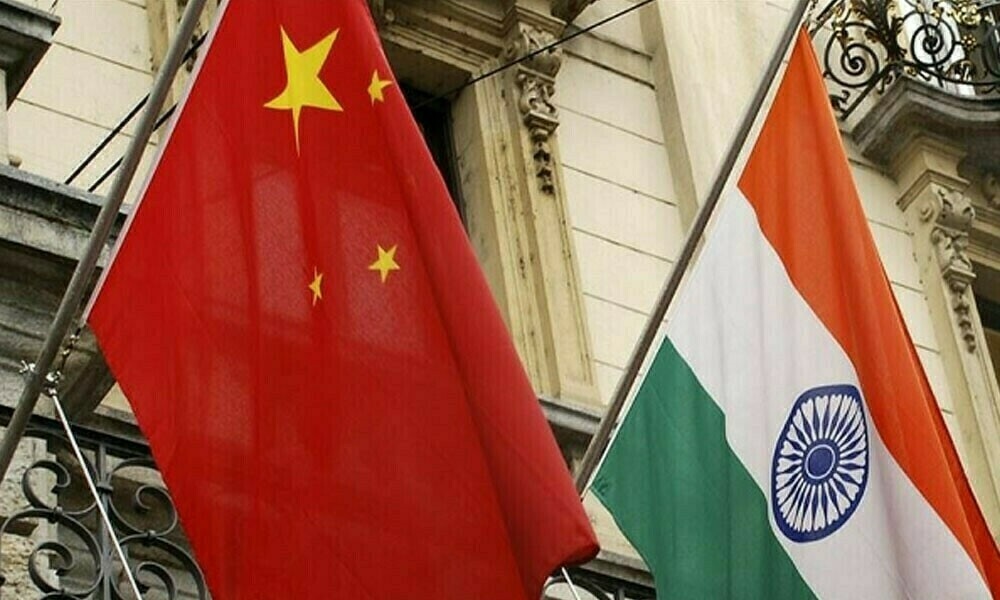

NEW DELHI/BEIJING: From talks on resuming direct flights to a series of high-level bilateral visits, longtime rivals China and India are quietly and cautiously strengthening ties against the backdrop of US President Donald Trump’s unpredictable approach to both.
Chinese Foreign Minister Wang Yi is scheduled to visit New Delhi next week for talks with India’s National Security Adviser Ajit Doval on their disputed Himalayan border, the second such meeting since a deadly clash in 2020 between Indian and Chinese troops, two people familiar with the matter said.
Indian Prime Minister Narendra Modi is set to meet Chinese President Xi Jinping at the end of the month when he travels to China - his first visit in seven years - to attend the summit of the Shanghai Cooperation Organisation, a regional security bloc.
The engagements follow a thaw in India and China’s five-year standoff after an agreement last October on patrolling their Himalayan border, which eased the strain on bilateral ties that had hurt trade, investment and air travel.
Relations were further boosted in recent weeks amid new tensions in India-US ties after decades of progress, analysts said, as Trump imposed a 50% tariff on Indian exports to the United States - one of the highest levels among Washington’s strategic partners.
The United States and China, meanwhile, this week extended a tariff truce for another 90 days, staving off triple-digit duties on each other’s goods.
China and India have already agreed to resume direct flights suspended since 2020 and are discussing easing trade barriers, including reopening border trade at three Himalayan crossings.
While border trade accounts for only a small portion of the $127.7 billion bilateral trade recorded in the last fiscal year, its revival is seen as a symbolic step toward normalising economic ties.
“We have remained engaged with the Chinese side to facilitate the resumption of border trade through all the designated trade points,” India’s foreign ministry spokesperson, Randhir Jaiswal, told a regular press conference on Thursday.
IMPROVING RESIDENTS’ LIVES
Beijing told Reuters it was also ready to resume border trade that had for a long time played an “important role in improving the lives of residents along the border and enhancing exchanges between the two peoples”.
A Chinese foreign ministry spokesperson also said Beijing has been in close communication with New Delhi to “push for the resumption of direct flights as soon as possible”.
India’s foreign ministry did not immediately respond to a request for comment on the exact timing.
Meanwhile, India’s government think-tank has proposed easing investment rules that effectively require additional scrutiny for Chinese companies — another sign of a potential shift in economic engagement.

























Comments
Comments are closed for this article.