


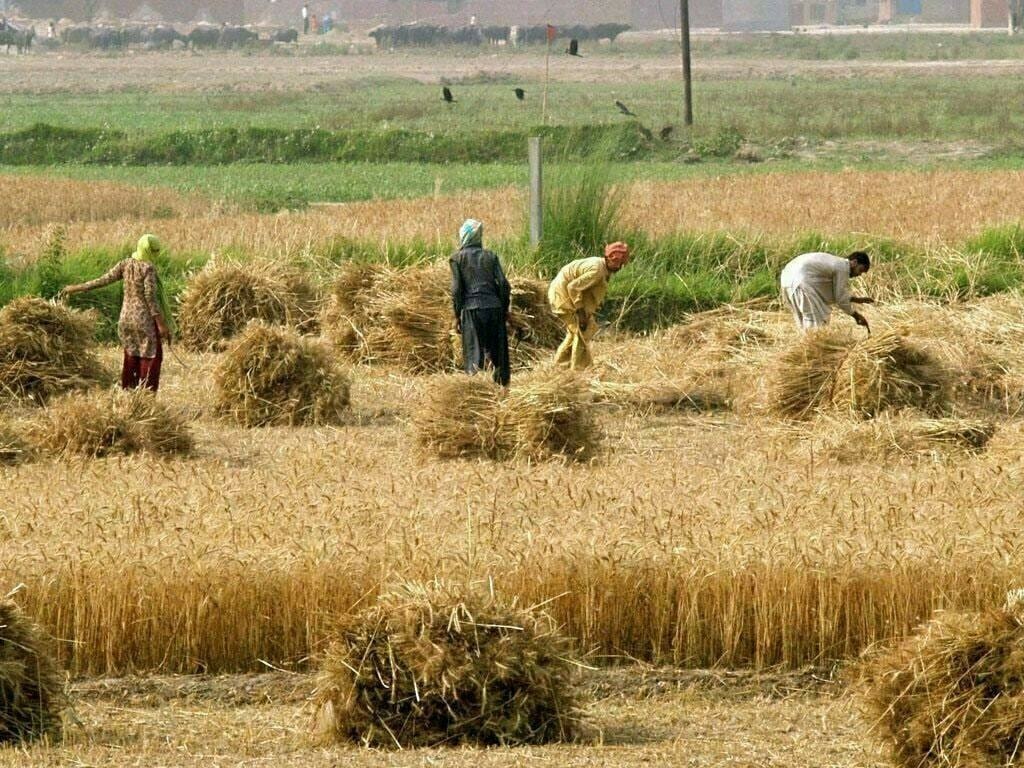

LAHORE: Agriculture Republic, a think tank, has called upon the government to launch a clean agricultural loan framework in Pakistan for the agricultural sector with higher credit limits, disaster protection and safeguards against value chain losses.
Punjab’s landmark Kissan Card initiative is a welcoming step, but our farmers should not be trapped in cycles of debt because of weather events or market manipulations, said the Co-founder of the Agriculture Republic, Aamer Hayat Bhandara, while talking to Business Recorder on Thursday.
Aamer also welcomed the government of Punjab’s landmark step in clearing the province’s Rs 675 billion wheat procurement debt. This move ends more than three decades of accumulated liabilities and saves approximately Rs 250 million per day in interest payments.
“This historic achievement demonstrates fiscal discipline and a commitment to farmers’ livelihoods,” Bhandara said.
“Now is the time to turn this financial breathing space into meaningful agricultural reforms, especially for crops like wheat, sesame, rice, cotton and maize that are the backbone of Punjab’s food security and rural economy.”
Recent unseasonal rains have damaged standing crops. Sesame has suffered pod losses. Rice is threatened by excessive water. Maize is at risk from quality and quantity issues with rain at harvest. Wheat farmers are still recovering from last season’s heat and price shocks. The latest Agriculture Census highlights the sector’s fragility with small and fragmented holdings, low mechanisation rates and high climate sensitivity, said Bhandara, a progressive farmer and agricultural policy advocate.
He urged the government to expand its targeted farmer support window from the current 12.5 acres to at least 20 to 25 acres. This will ensure that medium-scale farmers, who are equally vulnerable to climate shocks and market volatility, are not excluded from relief measures.
On the agricultural marketing side, Bhandara criticised the outdated and inequitable system in which processors and input companies often shift all risks to farmers while rarely sharing profits during favourable market conditions. “This approach drains rural economies and undermines long-term productivity and even support coming from the state and governments,” he warned. He stressed that accountability across the entire agricultural value chain is essential to protect farmers, increase government revenues and ease the burden on consumers through fair pricing.
He further emphasised the need for small-scale storage facilities at every Union Council, developed in partnership with large industry players. “The cost and responsibility of drying and storage cannot be passed entirely to farmers.
Copyright Business Recorder, 2025




















Comments
Comments are closed for this article.