


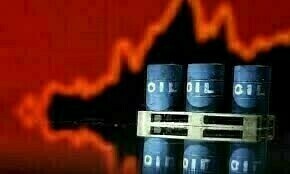
In April 2025, the US tore up the familiar trade framework. Executive orders introduced a “reciprocal” tariff regime: a baseline 10 percent levy on imports, scaling higher for countries with large trade surpluses unless they struck deals involving investment or purchase commitments. The message was clear, “Make a deal, or pay a higher price”.
Enter into a bilateral agreement with the US on its terms, or be hit with higher tariffs, was well communicated. The formula was blunt: negotiate concessions, investment pledges, or purchase commitments, and receive a capped rate, which is in many cases 15 percent. Those who resist, face steeper tariffs, such as the 25 percent rate imposed on India and 35 percent on Canada.
This approach overturned decades of US commitment to multilateral trade norms and the dispute-resolution mechanisms of the World Trade Organization. It also pushed the limits of presidential authority, inviting legal challenges at home and abroad. Critics call it “forced protectionism,” while the US frames it as “making trade more reciprocal” correcting trade deficits and rebalancing uneven trade relationships.
What emerged was a wave of bilateral agreements blending tariff relief with massive investment and energy commitments as major partners tried to negotiate. The European Union capped most exports to the US at 15 percent tariffs, excluding autos and steel, in exchange for USD 750 billion in US energy purchases and USD 600 billion in American investments. South Korea pledged USD 350 billion in investments and USD 100 billion in US energy buys, winning a similar tariff cap. Japan, Vietnam, Indonesia, the Philippines, and the UK followed suit, offering massive commitments in return for tariff certainty.
The US has applied high tariffs ranging 30 percent–41 percent on some countries as part of a wider strategy to address trade imbalances and leverage trade policy for geopolitical influence. These duties are generally fixed, with adjustments possible only if targeted nations make significant concessions or align more closely with US trade. High impact countries are Laos/Myanmar (40 percent), Iraq (40 percent) and Syria (41 percent). While Canada (35 percent), India (25 percent), Taiwan (20 percent) and Switzerland (39 percent) have become victim of not getting engaged in trade and security measures with US. The critics warn that the measures will cause inflation, raise consumer prices, and disrupt global supply chains.
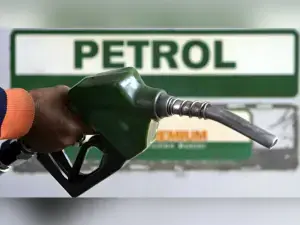
For Pakistan, the new landscape is seen as both opportunity and risk. The Pakistan-US oil deal settled and cut tariffs to 19 percent, while it promised joint development of oil reserves. In exchange, Pakistan agreed to jointly develop its oil reserves with US support, with cooperation likely extending to energy infrastructure, IT, and mining. The deal also enables Pakistan’s first US crude shipment in October 2025 via companies (Cnergyico and Vitol), with likely regular deliveries. The phase seems like a short-term relief, but may risk long-term energy security and higher export costs. The US also gave Bangladesh 20 percent, but hit India with 25 percent, gesturing trade diversion and geopolitical strategy.
Advocates hail this as a strategic shift securing supply chains, locking in foreign investment, and tying trade to geopolitical objectives, but critics call it a power game, with US having a huge consumer market used as a weapon. Unpredictable, president-driven tariffs risk disrupting markets, powering inflation, and discouraging global trade norms. The danger lies in being drawn into asymmetric agreements that address immediate fiscal or trade needs but limit long-term policy sovereignty. Regardless of whether one sees it as diplomacy, strategy, or a compulsion, the reciprocal tariff approach is undeniably altering the world trade order.
It’s clear that this is not business as usual and returning to protectionism. The US has moved from multilateralism to transactional deal-making, reshaping the world trade order. Regional blocs like CPTPP and RCEP grow more important, while trade deals increasingly collide with non-trade demands like climate rules and human rights. For Pakistan, survival and success mean diversifying exports and markets, leveraging US energy cooperation for broader partnerships, and most importantly entrenching itself in regional value chains with firm rules and policies.
The reciprocal tariff regime of 2025 has not only emerged as political diplomacy, strategy, power game, but it’s also a cautionary new trade order.
Whether it becomes a sustainable norm or a volatile step will depend on how trading partners, especially developing economies like Pakistan, cross its risks and grasp its openings. Whether this is economic defence or political diplomacy, the world is now paying the price. For Pakistan, survival in today’s trade deal will depend on turning US pressure into opportunity through strategically well aligned policy.
Copyright Business Recorder, 2025
The writer is a Senior Research Economist at the Pakistan Institute of Development Economics (PIDE). She can be reached via Email: [email protected]











Comments
Comments are closed for this article.