



BENGALURU: Asian currencies were subdued on Friday, while equities were mixed, as investors weighed the Federal Reserve’s expected dovish tilt and the impact of US import tariffs on regional economies.
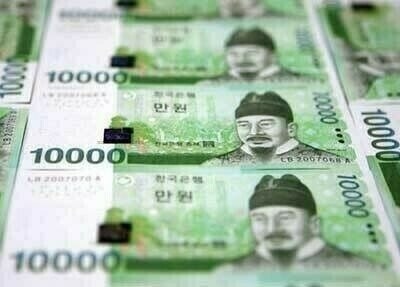
Markets appeared unmoved by US President Donald Trump’s latest tariff moves, with the Indonesian rupiah trading flat, Malaysian ringgit and South Korean won losing 0.2%, and Thai baht slipping marginally by 0.1%.
Jakarta shares gained over 2% to their highest since July 30, while those in Kuala Lumpur advanced 0.4%, though Singapore and Seoul each fell 0.7% and 0.6%, respectively.
Despite Friday’s subdued trading, the week told a different story. The MSCI emerging market currency gauge added more than 0.6%, on track for its best week since June 23, while emerging Asian equities advanced more than 2% on a weekly basis.
The Thai baht gained more than 1.5% for the week, its best since May 19, while the rupiah added more than 1% weekly.
There was optimism over potential Fed rate cuts, fuelled by Trump’s nomination of dovish economist Stephen Miran to the Fed board, but also wariness over trade policy that has pushed average US import duty rates to century-high levels.
The Trump administration imposed tariffs on dozens of countries on Thursday, with rates ranging 10% to 50%, while adding 40% duties on products determined to be illegally rerouted to conceal their origin.
US imports from Southeast Asia’s biggest economies now face tariff rates of about 19%, significantly below earlier threatened levels.
The US dollar index was largely unchanged against six major peers on Friday, but nursed weekly losses of 0.6% as concerns over softening US economic momentum boosted hopes of Fed rate cuts.
BNP Paribas expects dollar weakness in the medium-term, with the euro positioned to gain most.
Looking ahead, USD-Asia pairs probably face modest declines as a structurally bearish dollar outlook is partially offset by Asia’s weakening fundamentals under rising tariff pressures, said Parisha Saimbi, FXLM Strategist for EM Asia at BNP Paribas.
Emerging market central banks maintained caution, with the Bank of Japan, Monetary Authority of Singapore and the Reserve Bank of India keeping rates steady amid resilient growth.
Barclays analysts expect the Bank of Thailand to keep rates on hold at next week’s meeting.
Trump imposed additional 25% tariffs on India over Russian oil purchases, though the rupee gained 0.1% while Mumbai shares slipped 0.3%. Market participants now await a potential China-US tariff agreement ahead of the August 12 deadline.























Comments
Comments are closed for this article.