


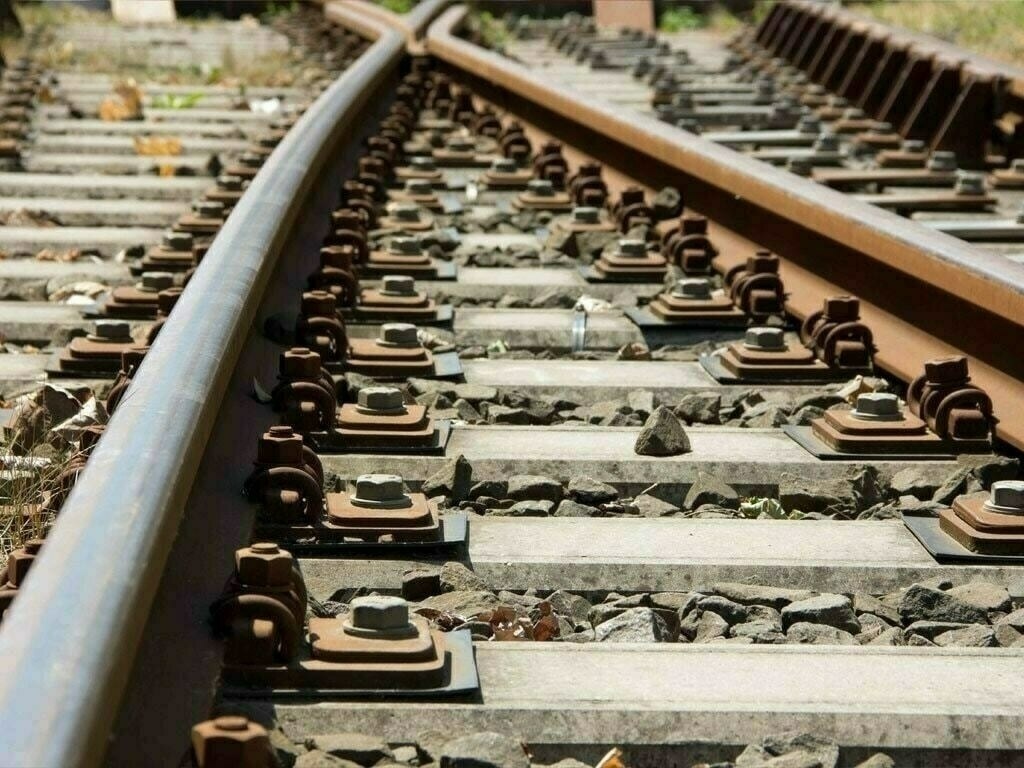

ISLAMABAD: The National Assembly was informed on Monday that Pakistan Railways oversees a land bank of approximately 168,858 acres nationwide, of which about 7.7 percent – or roughly 13,122 acres – is currently under the grab of powerful land mafias.
In a written reply to questions asked by the lawmakers, Federal Minister for Railways Hanif Abbasi said the ministry has ramped up a nationwide anti-encroachment drive in coordination with provincial governments.
He said that provincial inspectors general and chief secretaries have been asked to provide logistical and enforcement support, including police deployment.
The minister said that notices are being issued with a 14-day window for occupants to vacate encroached lands, adding so far, 2,552 acres have been reclaimed between 2020 and 2025.
To bolster oversight, the Pakistan Railways Land Management and Information System (PRLMIS) has been implemented with digitizing and geo-referencing land records while integrating them with provincial databases. The platform is accessible via mobile application, enabling real-time monitoring and administrative tracking, he added.
Abbasi said that the ministry is also taking steps to regularise unauthorised government use of railway land by issuing leases under updated land-use policies.
“Commercial encroachments are being addressed through a remedial leasing program, which includes upfront premiums and settlement of arrears,” he added.
According to the minister, between 2020 and June 2025, Pakistan Railways registered 5,182 encroachment cases, achieving a prosecution (challan) rate of 99.58 percent and a conviction rate of 96.71 percent. Of the 5,611 individuals accused, nearly all were from the general public, with only 20 remaining at large.
The minister also told the House that Pakistan Railways has generated Rs13.93 billion in revenue from leasing and licensing its land holdings over the past three fiscal years – 2022-23 to 2024-25.
In written reply submitted to the House, Abbasi said the state-run Pakistan Railways collected Rs2.631 billion in financial year 2022-23, Rs4.933 billion in 2023-24 and Rs6.366 billion in financial year 2024-25.
In a separate written reply, Minister for Water Resources Muhammad Moeen Wattoo briefed the House about the progress of the Diamer Basha Dam project, a multi-phase infrastructure initiative estimated to cost Rs2.079 trillion.
The project is divided into three primary components: Rs480 billion for the dam’s civil works and hydro-mechanical systems; Rs1.42 trillion for power generation infrastructure; and Rs174.7 billion allocated to ancillary developments.
However, in the current fiscal year (2025–26), only Rs25 billion has been allocated to the dam portion— far short of the Rs. 94 billion required.
Wattoo also reported that 48 dam projects have been completed with federal funding over the past three years, providing a combined storage capacity of approximately 337,000 acre-feet and enabling irrigation for nearly 285,000 acres of newly cultivated land.
Provincial governments, he said, have independently completed an additional 118 dam projects under their respective Annual Development Programs.
The federal government is presently sponsoring 18 more dam initiatives at various stages of construction, with a combined cost exceeding Rs1.036 trillion. Once completed, these dams are expected to store over 8.2 million acre-feet of water and bring more than 346,000 acres under cultivation.
Copyright Business Recorder, 2025


























Comments
Comments are closed for this article.