



ISLAMABAD/WASHINGTON: The United States and Pakistan hailed a trade deal on Thursday that Islamabad said would lead to lower tariffs and increased investment, but without specifying the level of tariff to be levied on Pakistani exports.
“This deal marks the beginning of a new era of economic collaboration especially in energy, mines and minerals, IT, cryptocurrency and other sectors,” the Pakistan finance ministry said in a statement following a final round of talks in Washington.
Islamabad described the deal as a marker of a broader partnership with Washington, and Finance Minister Muhammad Aurangzeb, who led the final round of talks, said there was a larger economic and strategic agreement.
“From our perspective, it was always going beyond the immediate trade imperative, and its whole purpose was, and is, that trade and investment have to go hand in hand,” he said, in video-taped remarks.
Pakistan had faced a potential tariff of 29%, which was later suspended - as with other nations - to allow trade talks up to an August 1 deadline. Islamabad was aiming at a tariff less than regional trade rivals such as Vietnam, which had a 20% tariff imposed by Trump, and India, which is threatened with a 25% tariff.
Islamabad’s trade surplus with Washington was around $3 billion in 2024, mainly due to textile exports. The United States is Pakistan’s biggest market for textiles.
The finance ministry said the agreement would lead to a “reduction of reciprocal tariffs, especially on Pakistani exports to the United States”, but stopped short of revealing the figure.
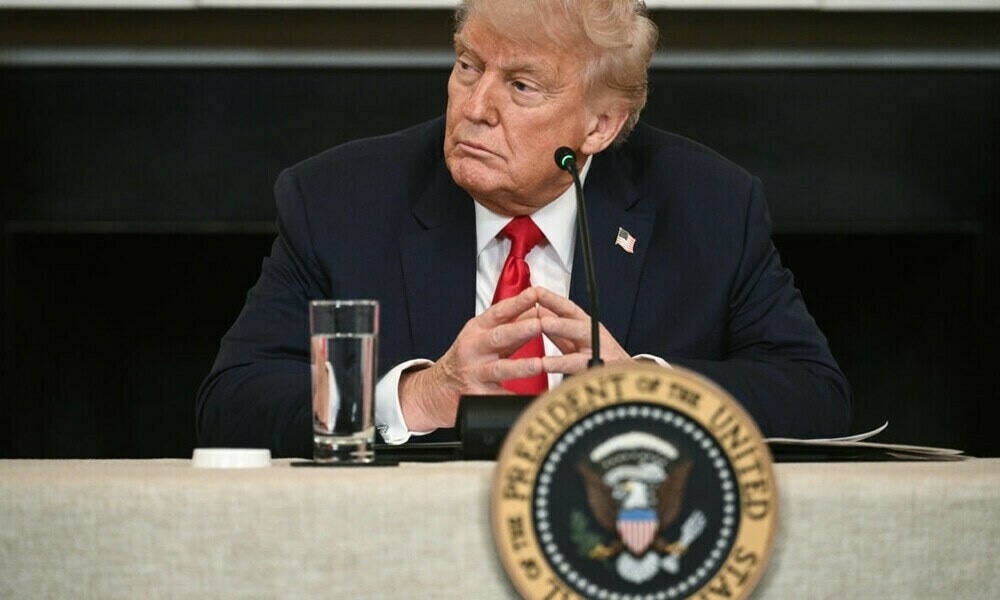
US President Donald Trump meanwhile trumpeted a pact to help develop Pakistan’s oil reserves. “We have just concluded a Deal with the Country of Pakistan, whereby Pakistan and the United States will work together on developing their massive Oil Reserves,” Trump wrote on social media.
“We are in the process of choosing the Oil Company that will lead this Partnership.”
OFFSHORE EXPLORATION
However Pakistan has seen a series of unsuccessful offshore exploration attempts. Its proven recoverable conventional crude oil reserves of between 234 million and 353 million barrels by different estimates place it around 50th in the world.
Shale oil extraction has not been developed in Pakistan, though a 2015 study by the US Energy Information Administration estimated a technically recoverable shale oil resource of 9.1 billion barrels for Pakistan.
Oil is Pakistan’s biggest import item, $11.3 billion in the year ended June 30, 2025, accounting for nearly a fifth of its total import bill, central bank data showed.
The agreement does have potentially wider diplomatic aspects. Washington has been concerned to wean Pakistan, a nuclear-armed country of 240 million people, away from its increasing dependence on China.
Before the Trump administration, Islamabad’s relationship with Washington had cooled in recent years, as the US had drawn closer to Pakistan’s traditional adversary India.
There was also resentment from Washington over Afghanistan, especially under the administration of President Joe Biden, which oversaw a chaotic withdrawal from Afghanistan and the handing over of the country to the Taliban insurgency that Washington accused Islamabad of backing.




















Comments
Comments are closed for this article.