


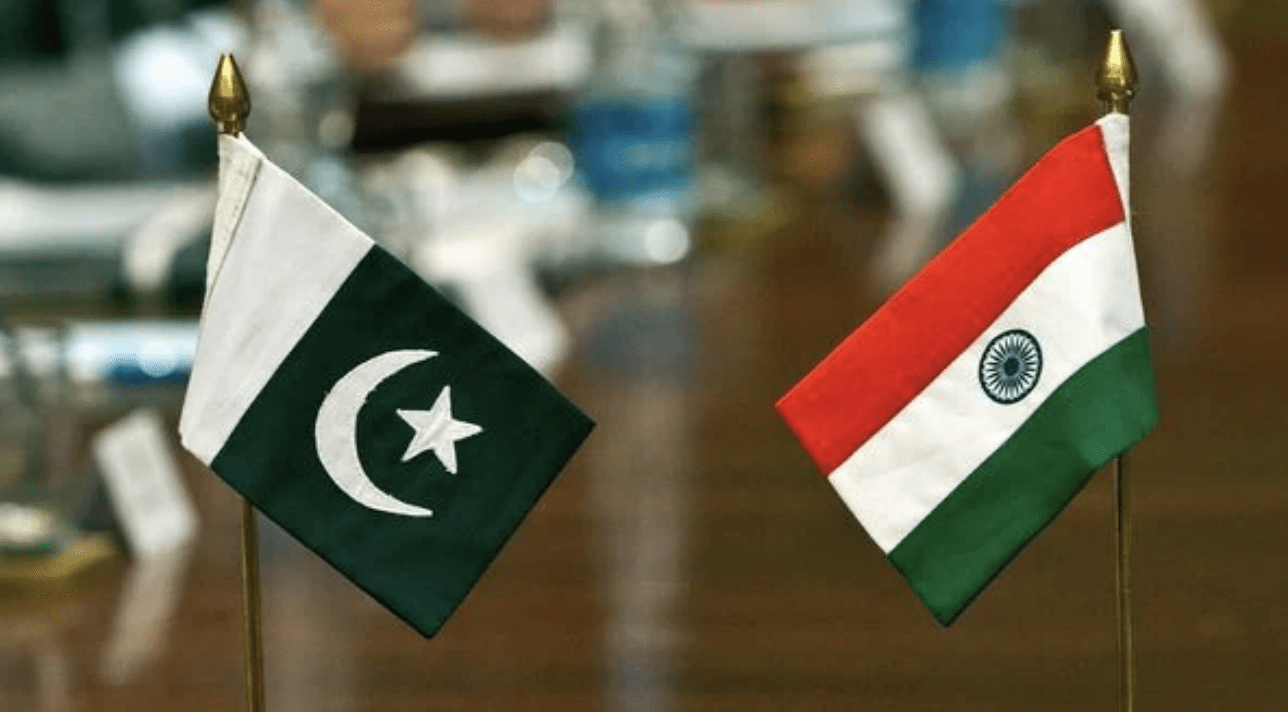
EDITORIAL: During a recent meeting with British High Commissioner Jane Marriott, Prime Minister Shehbaz Sharif reiterated Pakistan’s readiness for “meaningful dialogue” with India. This expression of willingness comes at a time when bilateral relations have been severely strained by years of tensions, fuelled by the ultranationalist rhetoric of India’s Prime Minister Narendra Modi and a recent military confrontation between the two nuclear-armed nations.
Since Modi assumed office in 2014, relations between India and Pakistan have sharply deteriorated. Under his leadership, India has seen a surge in rhetoric that not only targets Pakistan but also intensifies hostility towards the country’s Muslim minority. This rhetoric has served his government as both a political tool during elections and a cornerstone of foreign policy, significantly diminishing the political space for dialogue or reconciliation with Pakistan—particularly on sensitive issues like Kashmir. The outcome has been a hardening of stance and an increased reliance on military assertiveness.
A glaring example of this escalation was the aftermath of the April 22 Pahalgam terror attack. India quickly accused Pakistan of involvement, though it has yet to present compelling evidence to the international community. Shortly thereafter, on May 6, India launched missile and drone strikes deep inside Pakistan, violating international law while claiming to target terrorist hideouts. Prime Minister Modi referred to the extreme provocation as the “new normal”, setting a dangerous precedent that could have spiralled into a full-scale war. Pakistan responded decisively, downing six Indian warplanes, before US President Donald Trump intervened to broker a ceasefire. Left embarrassed by the developments, Modi later stated that India had taken a “pause” in hostilities. This implied the threat of renewed conflict. Such brinkmanship significantly heightens the risk of miscalculation, especially given that India and Pakistan have fought three wars over Kashmir and quite a few limited confrontations. Continued hostility jeopardises the peace and stability of this region, and beyond. UN Secretary-General António Guterres has, for example, rightly stated, “The world cannot afford another conflict in South Asia. Both countries must find common ground, even if it means taking small steps toward peace.”
PM Sharif’s emphasis on “meaningful” dialogue underscores Pakistan’s desire for a structured, result-oriented peace process. It signals Pakistan’s willingness to engage constructively on issues of mutual concern, such as counterterrorism, water disputes, and trade. As a matter of fact, for several years in the past both sides had engaged in structured dialogue under the Composite Dialogue framework, addressing a wide-range of issues — including the core issue of Kashmir. From Pakistan’s perspective, renewing the peace dialogue is not only possible but essential. However, as long as Modi is at the helm of power, peace with Pakistan remains a distant prospect. His government’s hardline stance and focus on zero-sum national security rhetoric leave little room for diplomatic flexibility.
Copyright Business Recorder, 2025











Comments
Comments are closed for this article.